

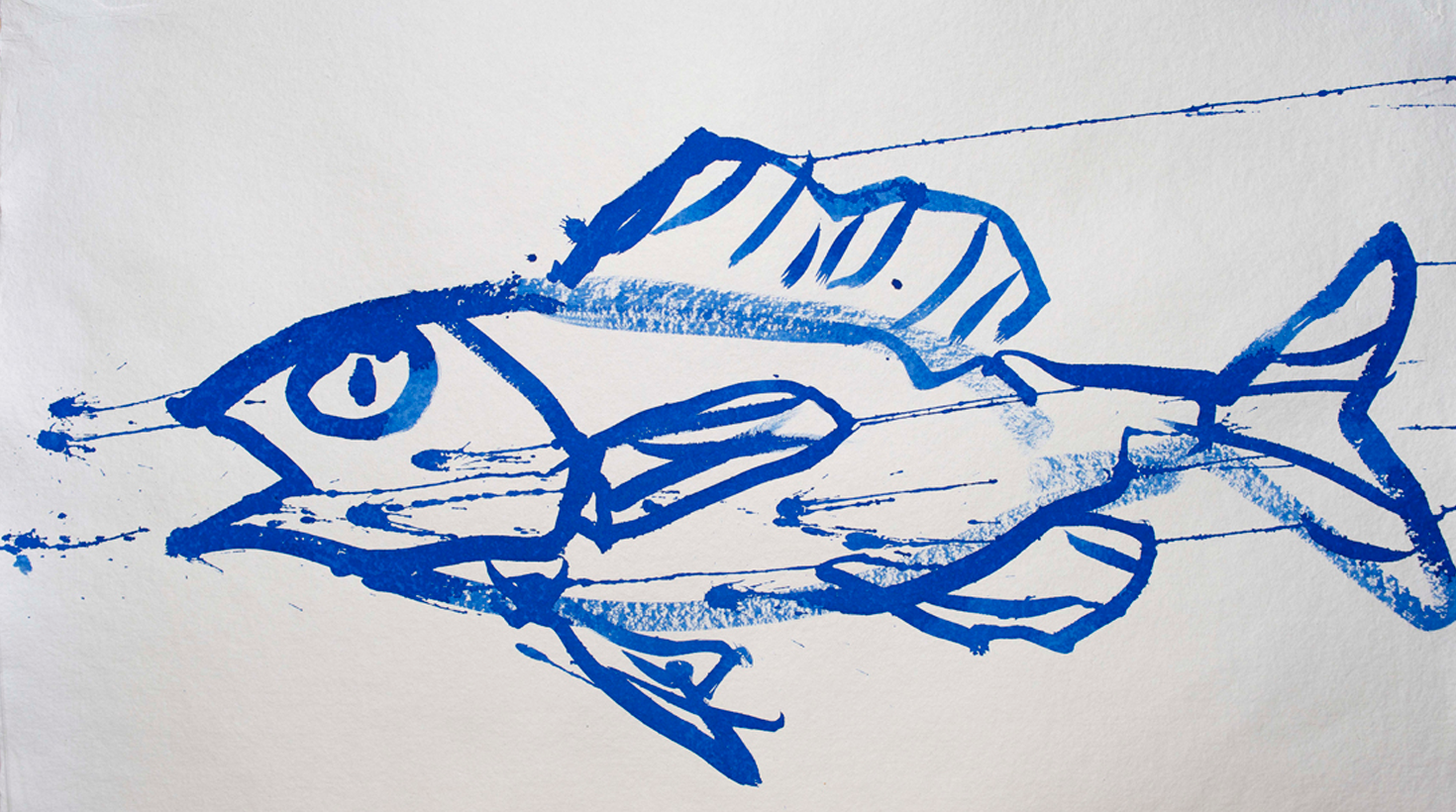
A proposal to rediscover a world full of meaning, sacred nature, and unlimited imagination
Bestiary, a musical album based on the new creations by Benet Casablancas, Ferran Cruixent, Raquel García-Tomàs, Albert Guinovart, Ramon Humet, Joan Magrané, Marian Màrquez, Marc Migó, Hèctor Parra, and Fabià Santcovsky.
Medieval bestiaries are much more than simple catalogs of fantastic creatures and real animals. These works, which combine scientific knowledge, religious symbolism, and overflowing imagination, offer us a privileged window into the medieval mindset, where nature and the spiritual world merge with a fascinating harmony.
Bestiaries are compilations that describe real creatures, such as the lion, the elephant, or the deer, alongside marvelous beings like the griffin, the basilisk, or the phoenix. But beyond the anatomy or behavior of these animals, their main purpose was to reveal the divine truths hidden in creation. Each animal had a symbolic and moral meaning. This allegorical character of the bestiaries not only displayed a cohesive vision of the world but also an attempt to organize reality through a narrative full of meaning. For medieval authors, the world was not a sum of independent entities, but an interconnected whole in which each creature had an assigned role in the great drama of existence.
We must not forget that bestiaries were also genuine works of art. The miniatures that illustrated these manuscripts transformed the texts into captivating visual experiences. The images that amplified the symbolic content helped the reader understand the moral and spiritual lessons. The illustrations, with their vivid colors and meticulous strokes, were an exaltation of the diversity of divine creation.
Based on the texts of Enric Casasses, poet in residence at the Liceu during the 2025-2026 season, and with the help of the work of Joan Jonas, we propose the creation of a contemporary bestiary to rediscover a vision of the world where everything is imbued with meaning, where nature is sacred and imagination is unlimited. Along with our most distinguished composers —who will create a piece for the occasion— and the country’s performers, we will witness this creativity and our persistent desire to understand and make sense of the world. A proposal that invites us to (re)connect with wonder, to see the world not only as a place of study but as a space of poetry and mystery.
With funding from the Ministry of Culture, within the framework of Barcelona’s Cultural Capital initiative promoted by the Ministry of Culture and the Barcelona City Council.

| 
|
Dates and tickets

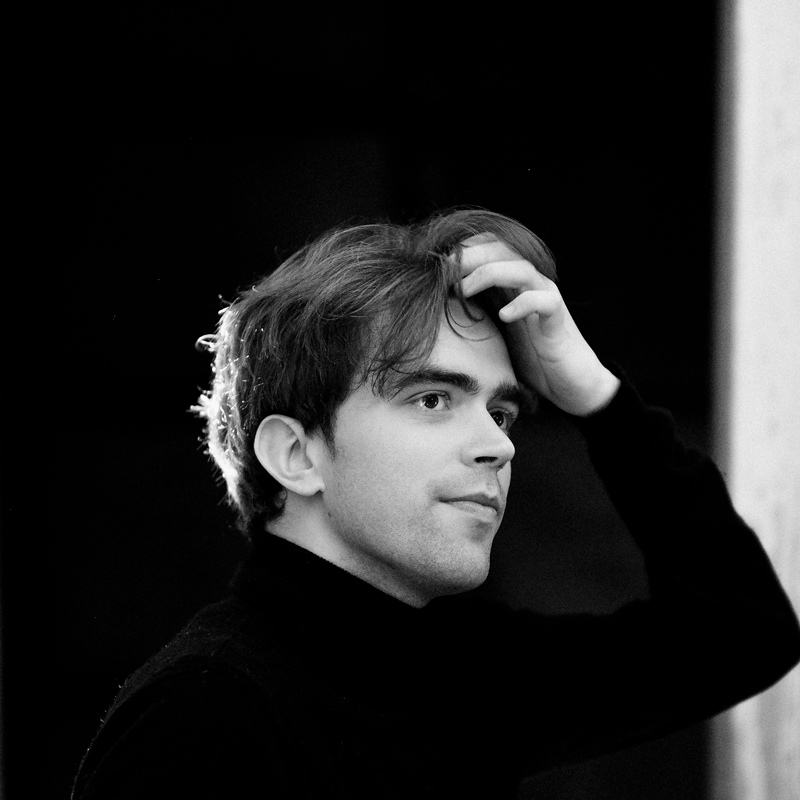
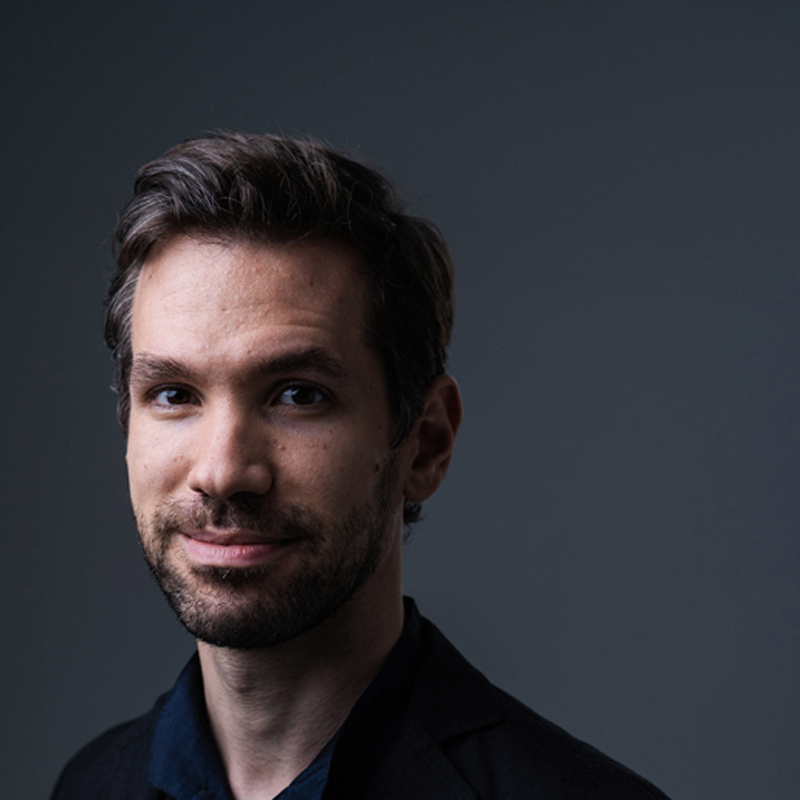
Fitxa artística
Artistic profile
- Poems and texts
- Enric Casasses
- Visual artist
- Joan Jonas
Hand program
Hand program
Program
1ª PART
Frederic Mompou (1893–1987)
“Ocell Trist, núm. 5” (Impressions íntimes) - Marc Heredia
Olivier Messiaen (1908–1992)
“La Colombe, No. 1 de 8”, IOM 8 (Préludes) - Marc Heredia
Enrique Granados (1867–1916)
“Quejas o la Maja y el Ruiseñor, No. 4”, Op. 71 (Goyescas: Los Majos enamorados) – Albert Cano Smith
Robert Schumann (1810–1856)
“Vogel als Prophet, No. 7” , Op. 82 (Waldszenen) – Albert Cano Smith
PAUSE
2ª PART
Ferran Cruixent
Voladúries – David Alegret and Marc Heredia
Benet Casablancas
Lo rat penat - Gemma Coma-Alabert and Albert Cano Smith
Raquel García-Tomás
Mico – Mercedes Gancedo and Albert Cano Smith
Joan Magrané
Dragó – David Alegret and Marc Heredia
Albert Guinovart
Ocellets i ocellots – Josep-Ramon Olivé and Marc Heredia
Fabià Santcovsky
Garota - Josep-Ramon Olivé and Albert Cano Smith
Marc Migó
Ratolí - Josep-Ramon Olivé and Marc Heredia
Ramon Humet
És el gat negre de cada dia – Gemma Coma-Alabert and Albert Cano Smith
Marian Márquez
Faula de la gossa i uns turistes en una terrassa de cafè d’un poble de vora mar – Mercedes Gancedo and Albert Cano Smith
Hèctor Parra
Petita aranya – David Alegret and Marc Heredia