



'The Exterminating Angel' reminds us that what is truly sacrilegious is not blasphemy, but empty routine and self-complacency.
“The sacred begins when ritual falters and reveals the abyss”
Georges Bataille
Luis Buñuel’s homonymous film becomes a quasi-mythical origin for The Exterminating Angel, the opera by Thomas Adès, a brilliant composer who will also conduct the performances at the Liceu. Adès transforms that unsettling universe into a fascinating sonic architecture: music filled with effects, unusual textures and subtle tensions that opens the doors to a ritual that slowly disintegrates.
The acclaimed production by Calixto Bieito for the Opéra national de Paris places the audience in a bourgeois and seemingly civilized space: an aristocratic salon that, after a refined dinner, reveals the fragility of its rituals. Where there should be meaning there is only repetition; where there should be freedom, an asphyxiating inertia accumulates. It is in this gap that the exterminating angel emerges: an invisible force that fractures order and exposes the sacrilegious nature of a society that has forgotten the true meaning of the sacred.
The guests, unable to leave the room, witness the dissolution of language, hierarchies and bonds. Elegance turns into animality; the salon into a corrupted altar in which desire and fear displace all etiquette. Adès’s music, full of surprising sonic gestures, amplifies the drama to its limit: a failed ritual, a liturgy disturbed by human self-sufficiency.
In Bieito’s vision there is also an underlying idea of redemption: when the guests accept their vulnerability and repeat the gesture that condemned them, the space dissolves and, with it, the trap. Freedom does not arrive by force, but through surrender. Only when the group embraces its fragility does the door finally open.
The Exterminating Angel imposes no moral; it offers a wound. It reminds us that what is truly sacrilegious is not blasphemy, but empty routine and self-complacency. And that only art, in its capacity to unsettle, can reopen the door to the sacred.
Opera in 3 acts
Libretto by Tom Cairns in collaboration with Thomas Adès based on Luis Buñuel’s homonymous film (The Exterminating Angel, 1962).
World premiere: 28 July 2016 at the Haus für Mozart in Salzburg
Barcelona premiere
With the support of:

Dates and tickets
| Subscription B | Buy tickets for The Exterminating Angel | ||||
| Subscription E | Buy tickets for The Exterminating Angel | ||||
| Subscription T | Buy tickets for The Exterminating Angel | ||||
| Subscription A | Buy tickets for The Exterminating Angel | ||||
| Subscription D-H | Buy tickets for The Exterminating Angel | ||||
| Subscription G | Buy tickets for The Exterminating Angel |
Special sessions
16 April: Breathe the Opera – Mindfulness session
22 April: Live audio description service
Artistic profile
- Stage direction
- Calixto Bieito
- Set design
- Anna-Sofia Kirsch
- Costume design
- Ingo Krügler
- Lighting design
- Reinhard Traub
- Production
- Gran Teatre del Liceu, based on the production of the Opéra national de Paris
- Chorus of the Gran Teatre del Liceu
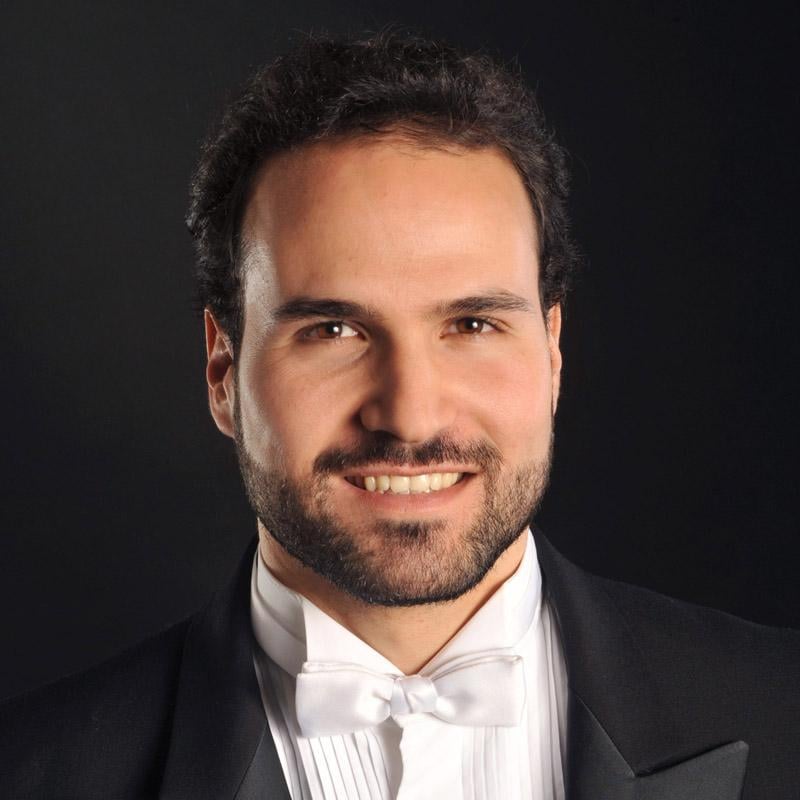
- Director Pablo Assante
- Symphony Orchestra of the Gran Teatre del Liceu
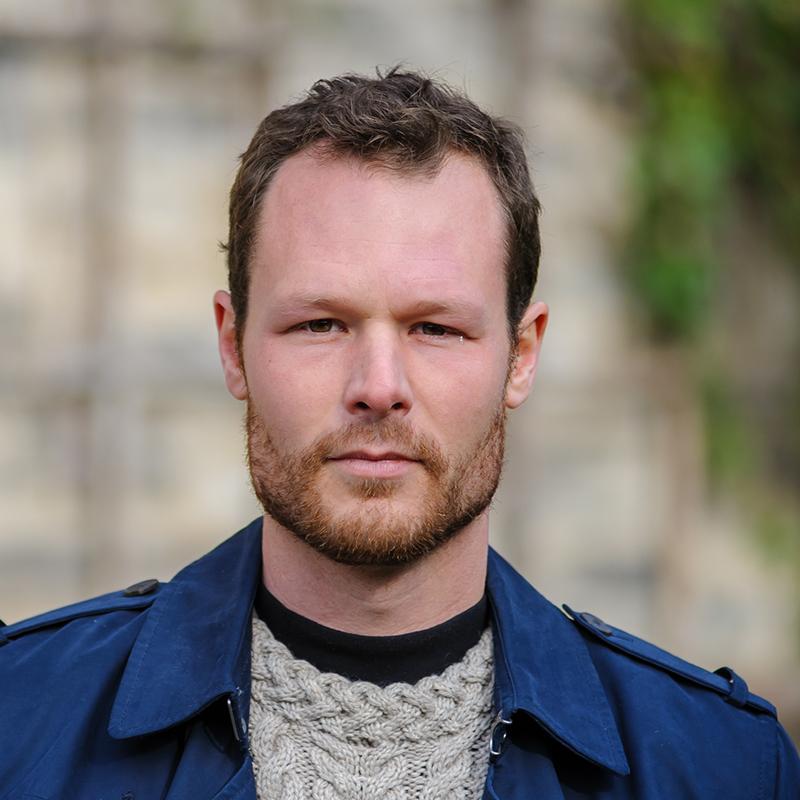
- Conductor Thomas Adès
Cast















Special sessions
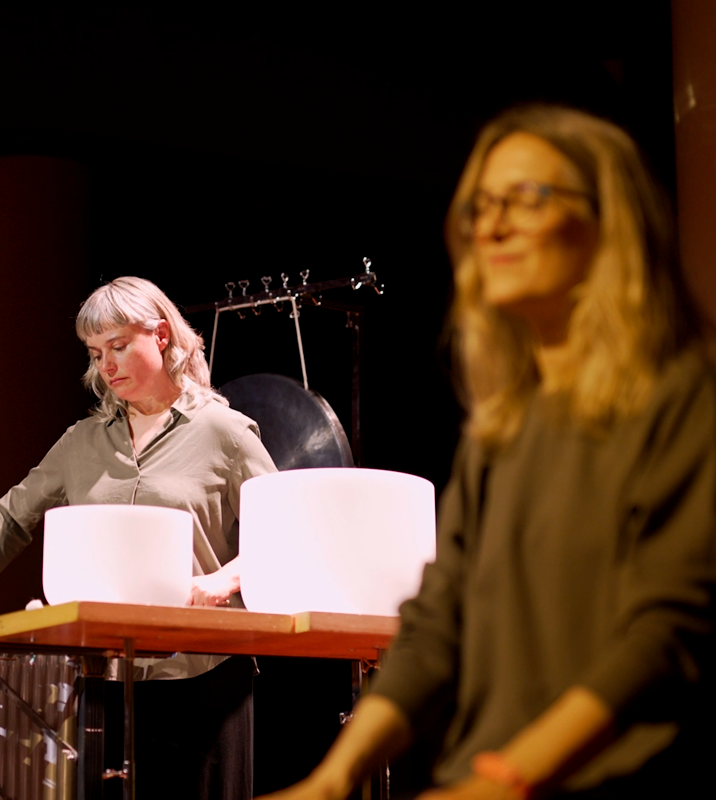
Breathing the Opera
Breathing the opera is a 30-minute guided session led by coach Mònica Arús, with the soundscape by music therapist Núria Andorrà, in which we will practise simple breathing, relaxation and mindfulness exercises to enter a state of calm and openness that helps us enjoy the performance with presence and awareness.
Friday 16 April
6:30 pm (Access via the Sant Pau street entrance 15 minutes before the session begins)
Buy the full experience here: mindfulness session + opera performance.
Audiodescription
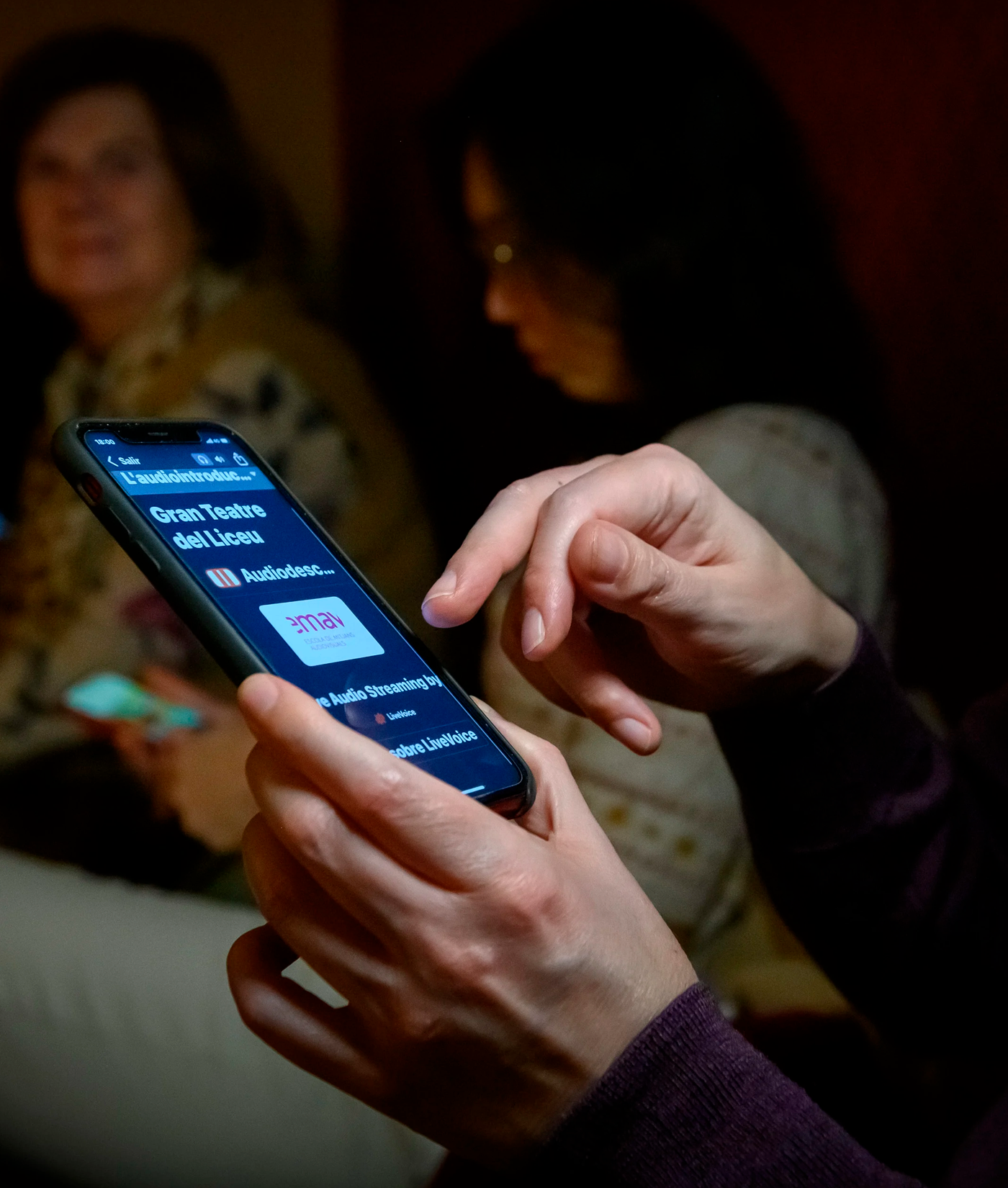
Live audio description service in one performance of each staged opera, providing narration of key visual elements for the benefit of blind and visually impaired spectators. The service has two parts: an audio introduction fifteen minutes before the start of the performance, and simultaneous audio description during the show.
LiveVoice app
To listen to the audio description, simply click on Audiodescription at the Liceu, or enter the LiveVoice app and use the code: 075177.
Thursday 22 April
7:30 pm