

“Le poème est une peinture invisible
La peinture est un poème visible.”
(Guo XI, XIe siècle)
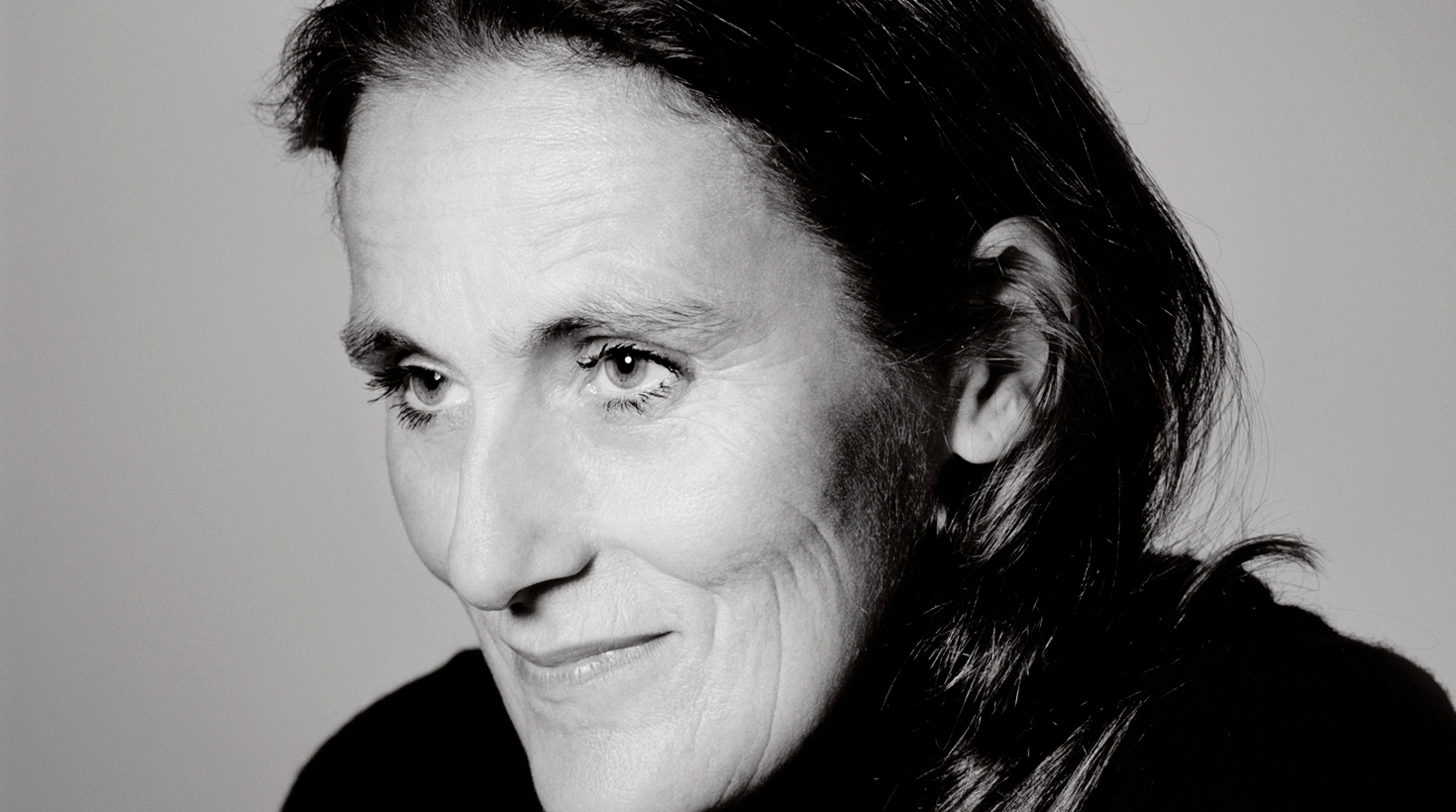
Fabienne Verdier (Paris, 1962) is an artist who has built a practice radically committed to gesture, matter, and the invisible energy that structures the world. Trained for ten years in China during the 1980s, where she deepened her understanding of Chinese calligraphy and painting under masters who were heirs to Taoist thought, Verdier has managed to translate this ancient legacy into a contemporary language of exceptional physical and spiritual force.
Her work inhabits a territory of tension between East and West, between the disciplined rigor of the single stroke and the expressive freedom of European abstraction. Each painting is the result of a performative, almost ritual act in which the artist’s body becomes an instrument for measuring time and space. Using large suspended brushes, dense pigments, and extreme control of movement, Verdier captures forces that are invisible yet govern both nature and human experience: gravity, vibration, rhythm, breath.
Her works do not represent; they manifest. The stroke, often monumental and charged with centrifugal energy, condenses in a single gesture the memory of movement and the awareness of the present. In this synthesis between control and surrender, precision and risk, Verdier’s painting becomes a space of resonance in which time seems suspended. The pictorial surface is not an end point, but the record of an unrepeatable event, of a meeting between human will and the deep laws of the universe.
In the Hall of Mirrors of the Gran Teatre del Liceu, Fabienne Verdier’s work acts as a point of energetic concentration, a silent counterpoint to the space’s ornamental opulence. In this encounter, the painterly gesture is reflected and multiplied, inviting the viewer into an experience of active, almost meditative contemplation. Thus, Verdier’s work reminds us that, at the very heart of movement, painting can become a form of deep listening to the world.