

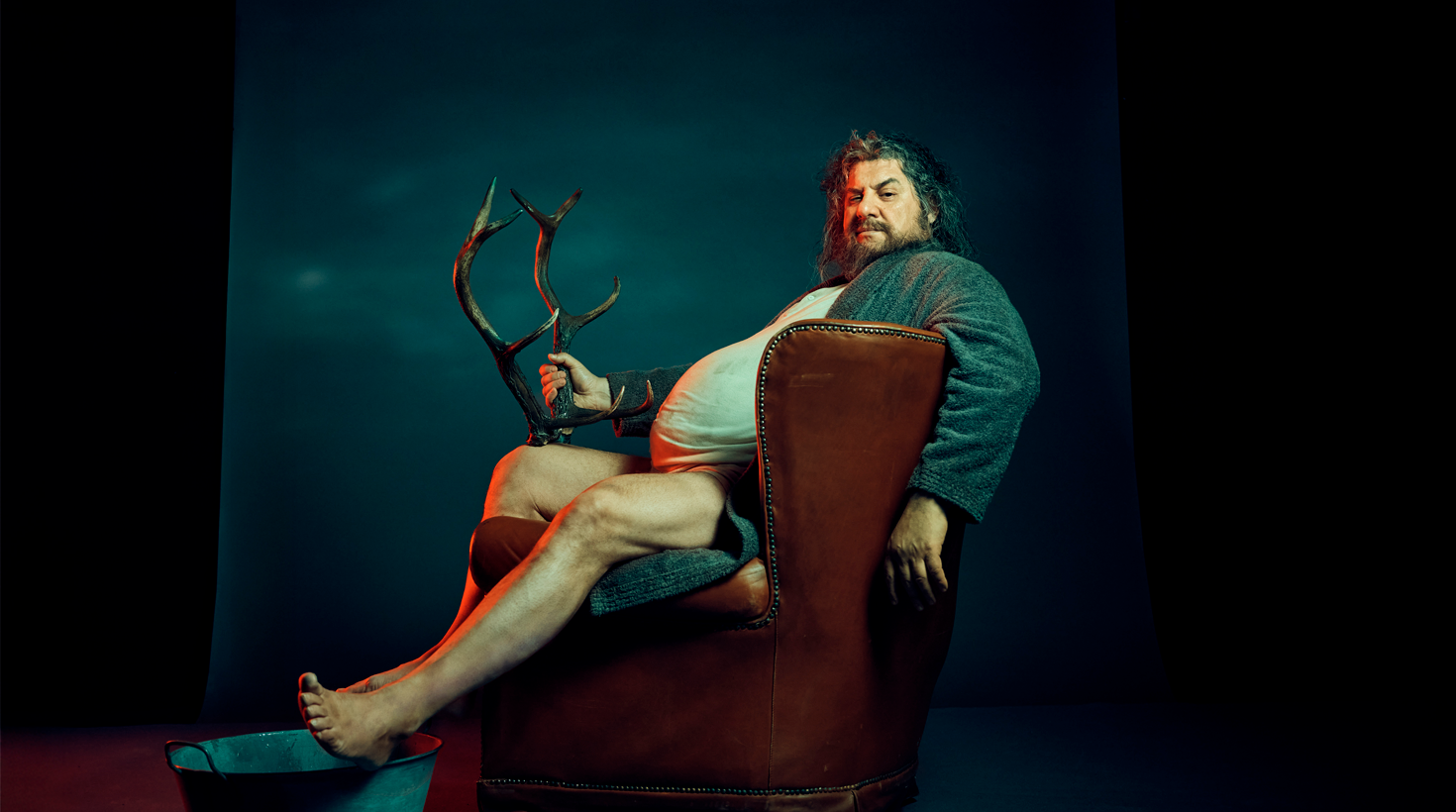

The final morality of this bittersweet comedy in which Verdi displayed extraordinary vitality and surprising modernity in its musical structure.
"Try to follow your heart, even if you think it's too late."
Antoine de Saint-Exupéry
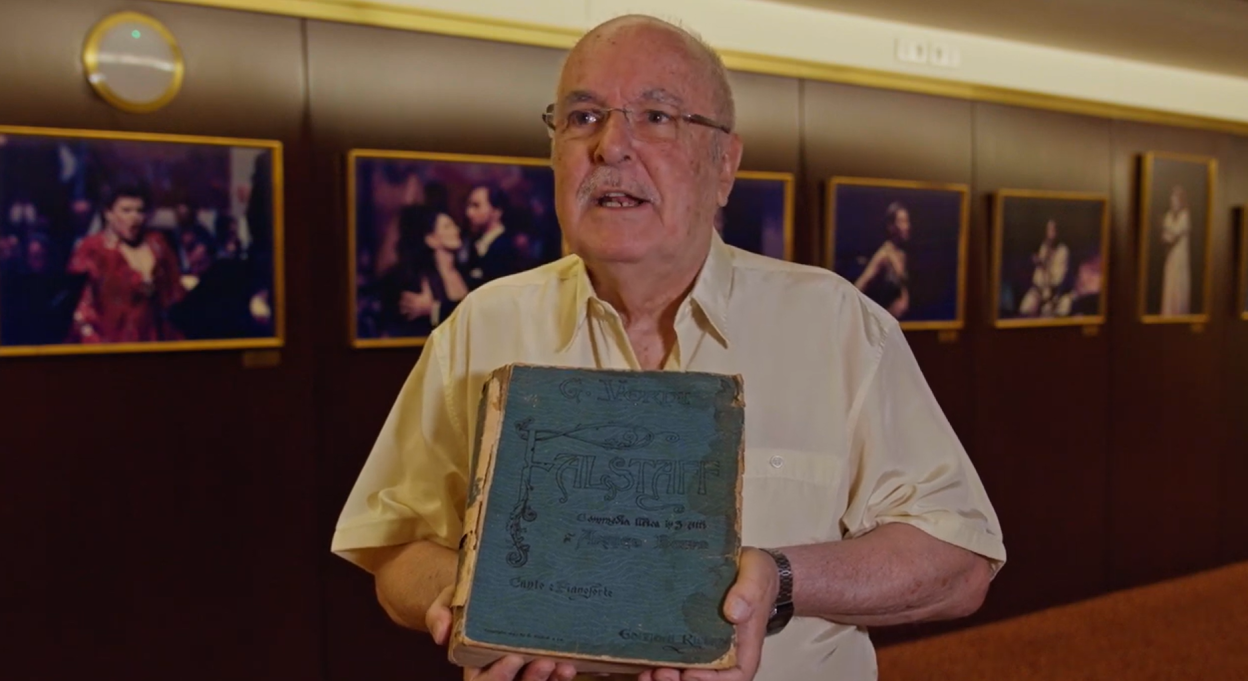
Year 1893: Verdi, at the age of 80, attended the premiere of Falstaff at La Scala. As a major event, the audience included Princess Letizia Bonaparte and the Italian opera composers Pietro Mascagni and Giacomo Puccini. The composer himself took the stage to greet the audience, receiving ovations at the end of each act.
Verdi, with an extensive and exceptional career spanning nearly two-thirds of the 19th century, wanted to bid farewell with a great comic work: because his only previous attempt, Un giorno di regno (1840), was a major failure, as during the same period, his wife and two of his children passed away—circumstances hardly conducive to writing a comedy.
Verdi was a devotee of William Shakespeare's theatrical works. As a result of this admiration, he wrote two great masterpieces: Macbeth (1847) and Otello (1887), choosing Falstaff as the text for his next opera.
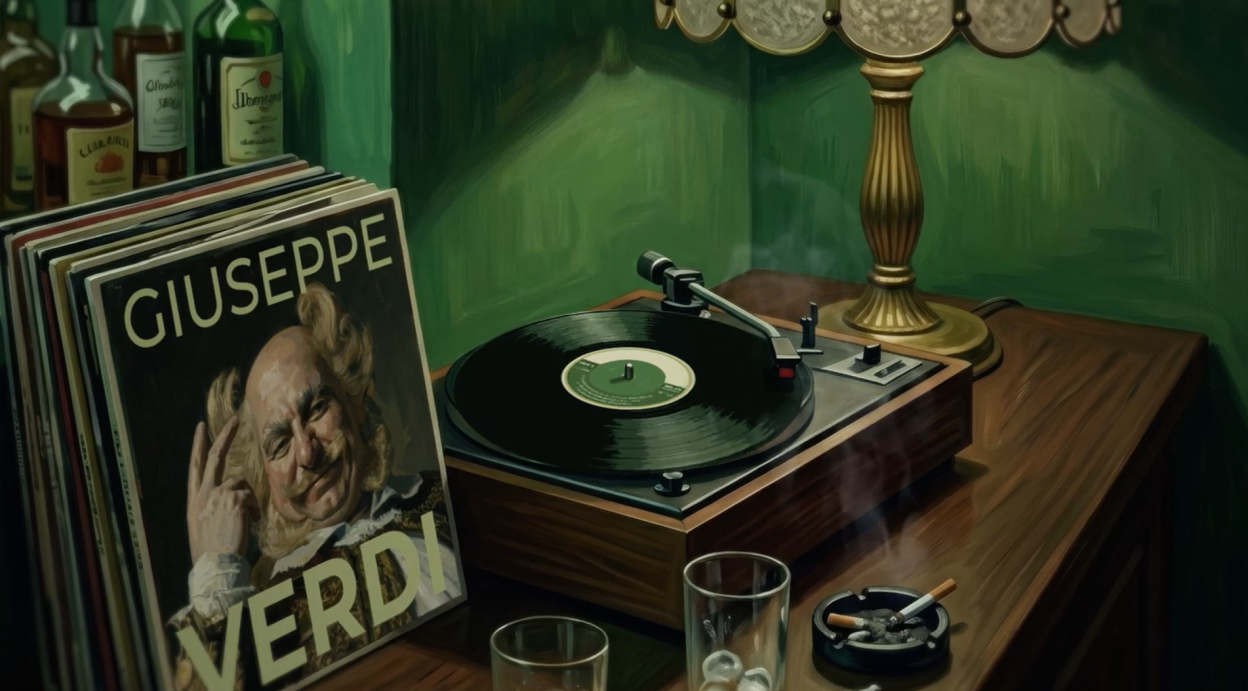
Only a genius of Giuseppe Verdi’s stature could bid farewell to lyric opera by exclaiming with sarcasm and wit: “Tutto nel mondo è burla” ("Everything in the world is a joke"): the final morality of this bittersweet comedy in which the composer displayed extraordinary vitality and surprising modernity in its musical structure.
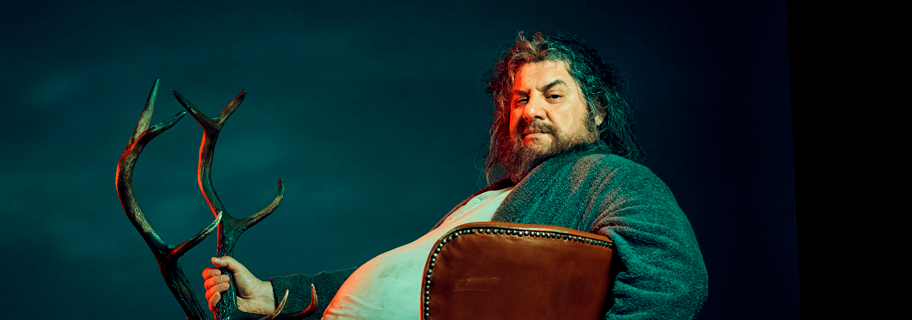
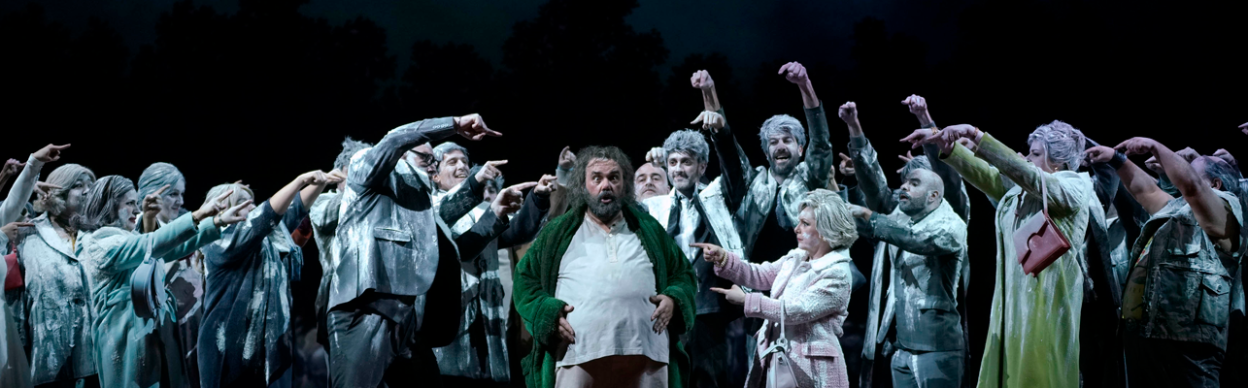
The Boito-Verdi duo brings back an aging, hedonistic, and somewhat cowardly Sir John Falstaff, a former comrade-in-arms of the future Henry V of England, now surrendered to drinking, gluttony, lust, and bragging. Worn out, short of money, grotesque, and conceited, he nevertheless possesses a cynical wit and intelligence that grant him an irresistible charm. A caricature of Falstaff himself, he acts like a thief ready to deceive the weak and take advantage of the poor. He falls in love with Alice Ford and Meg Page, two young married women who enjoy fueling the old knight's desires to ridicule his attempts at seduction.
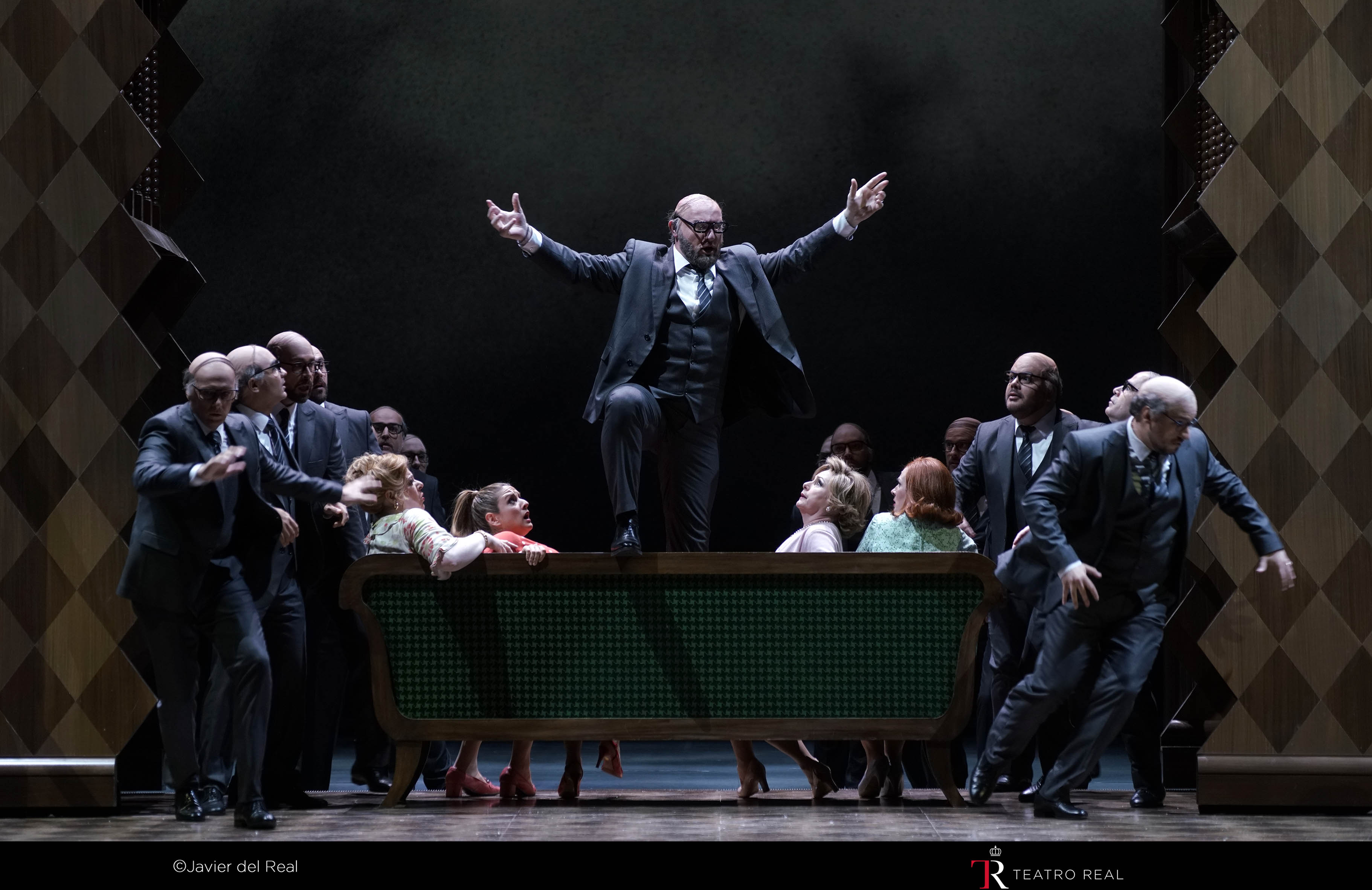
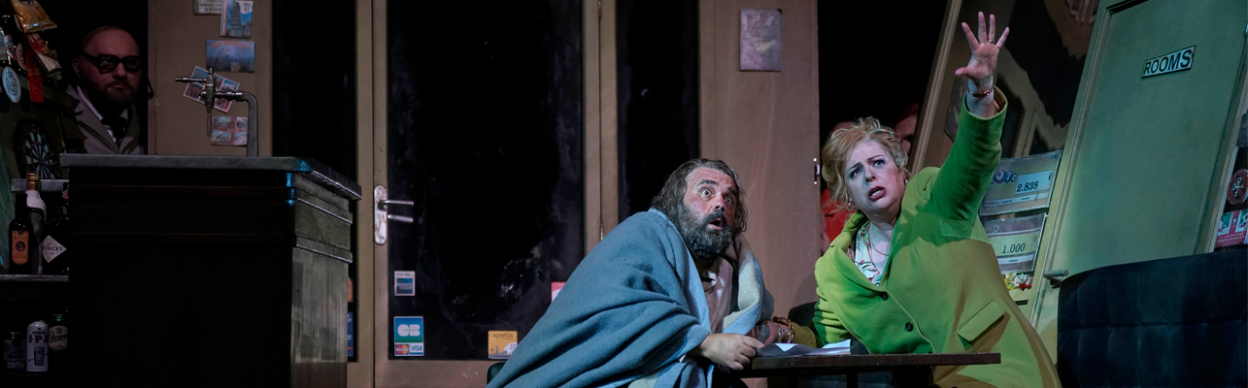
Laurent Pelly’s staging, set in the 20th century, ends with a mirror reflecting the audience itself as the final recipient of the grand fugue, inviting us to laugh at ourselves. With uncommon theatrical agility and unpredictable dramatic gestures, the production cleverly showcases both amusing and melancholic scenes.
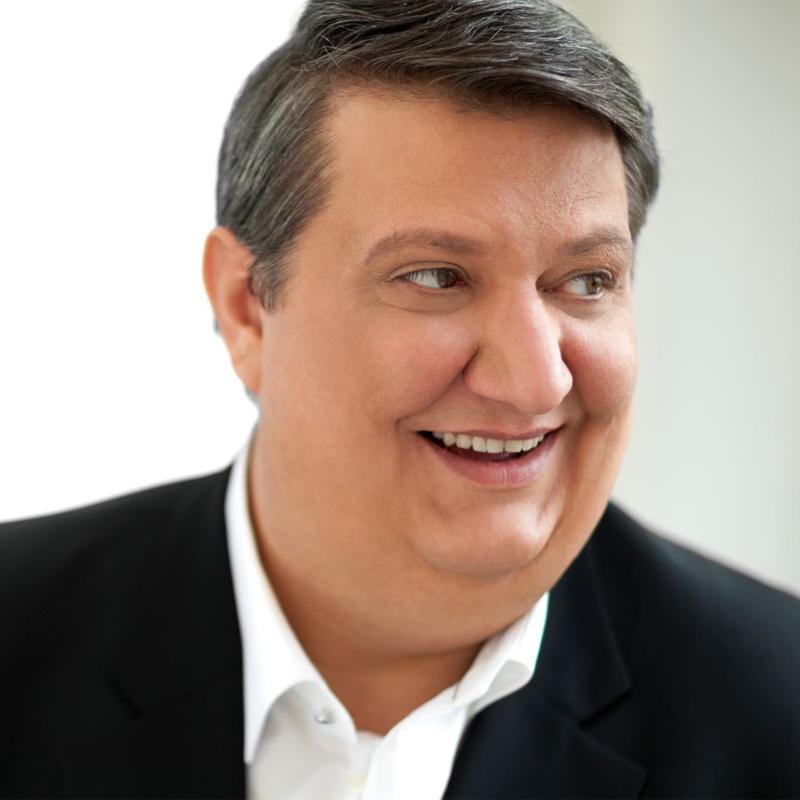
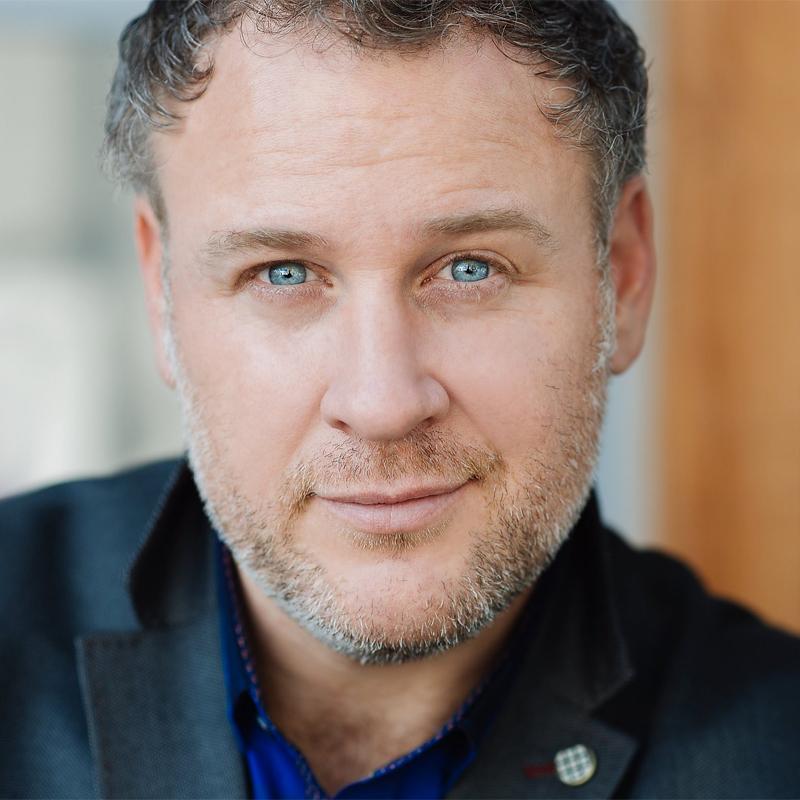
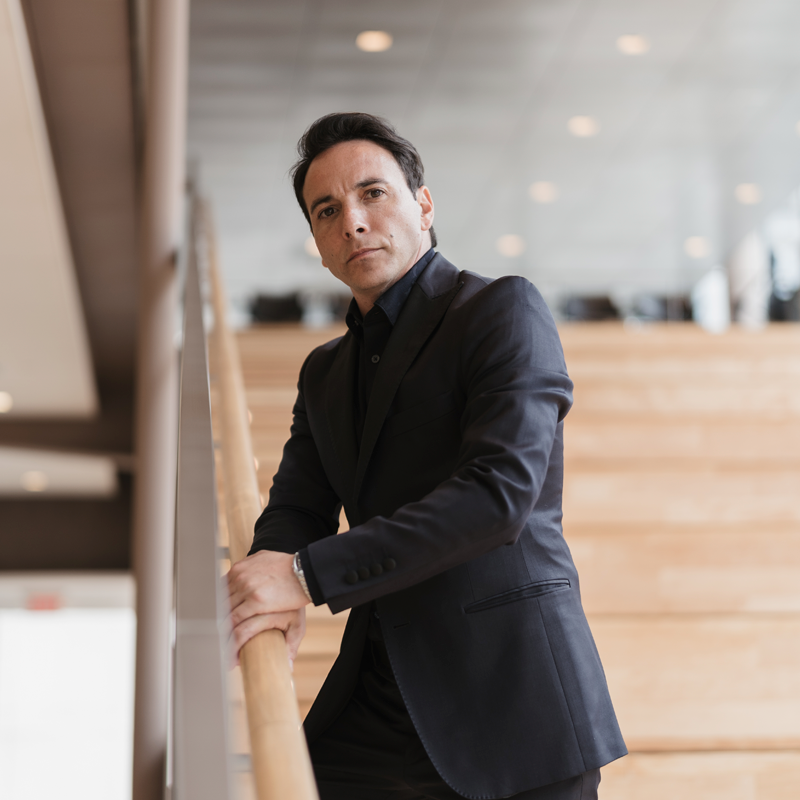
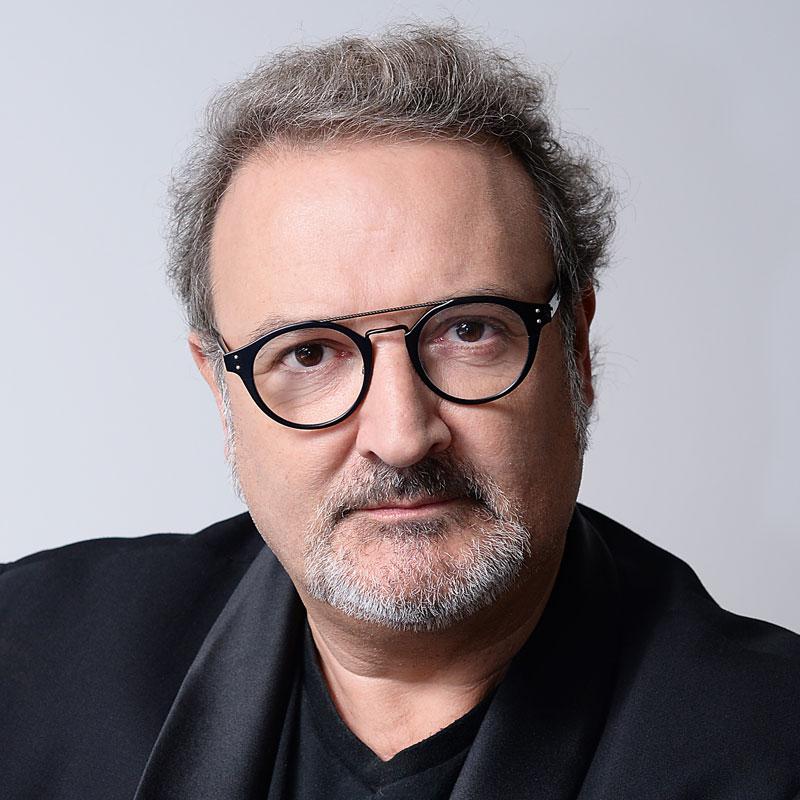
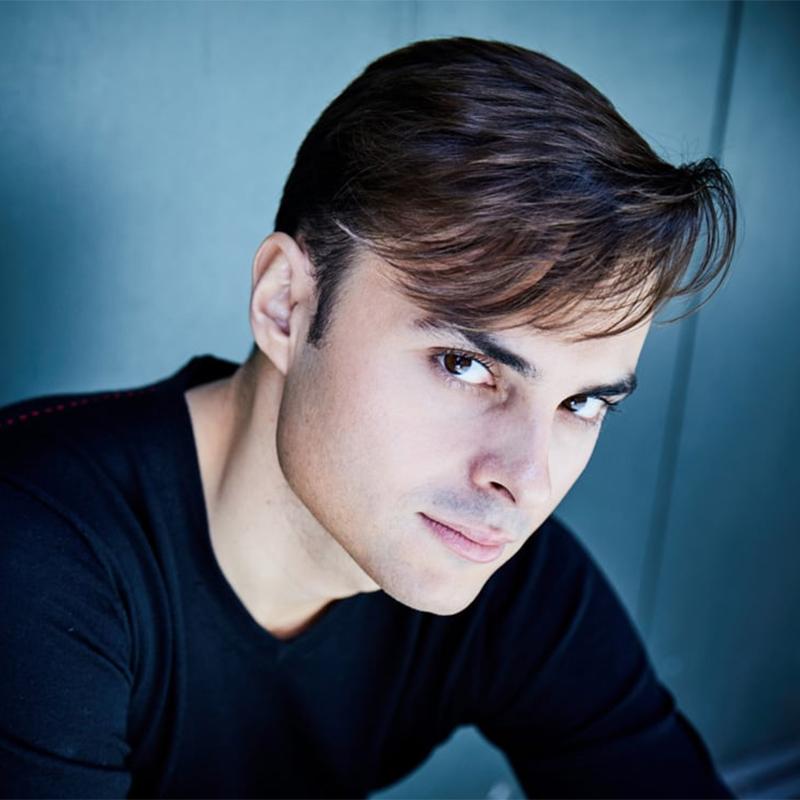
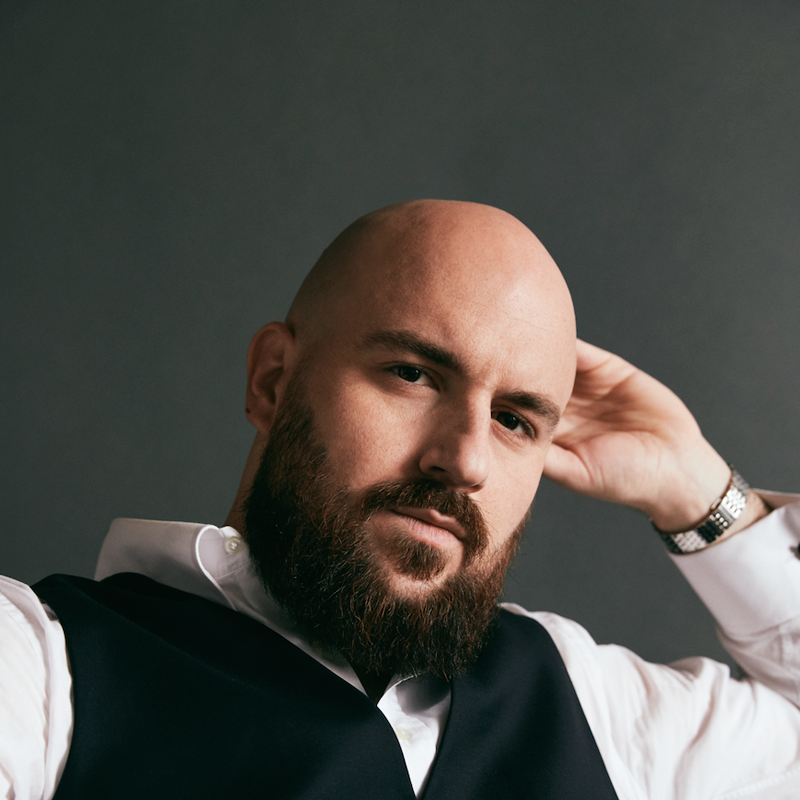
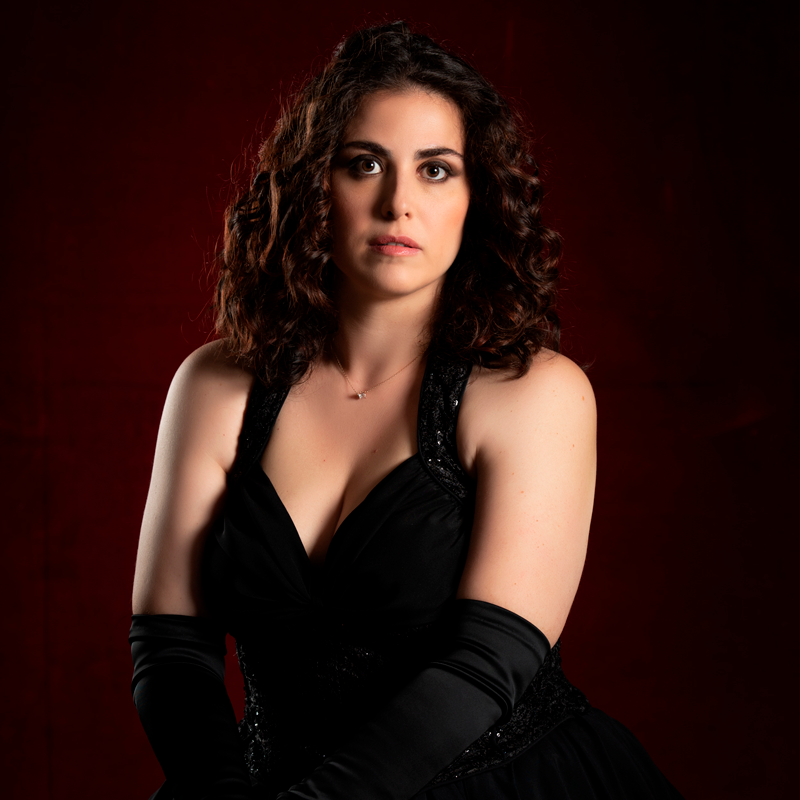
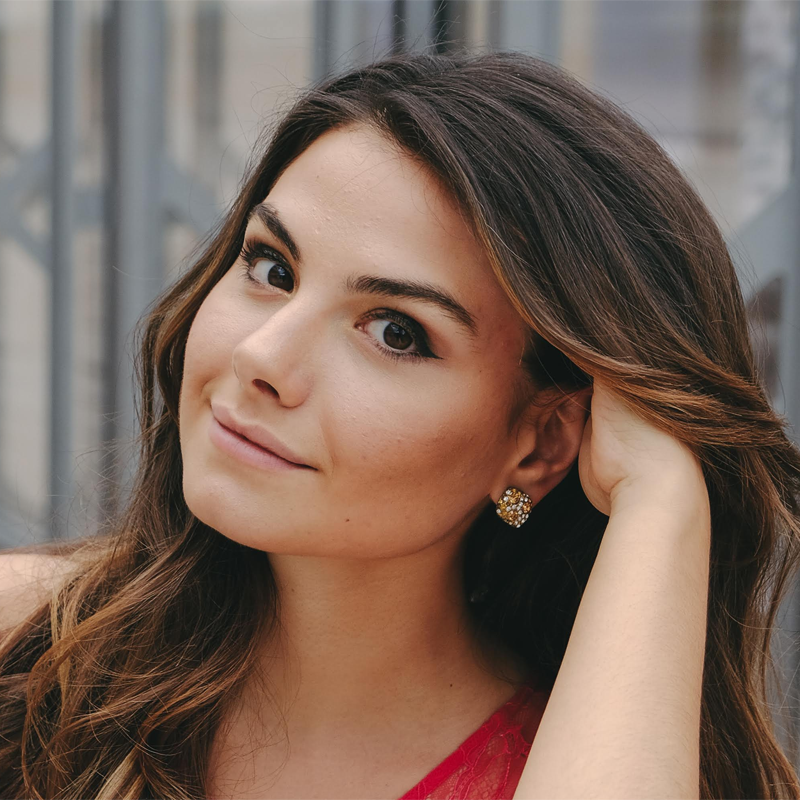
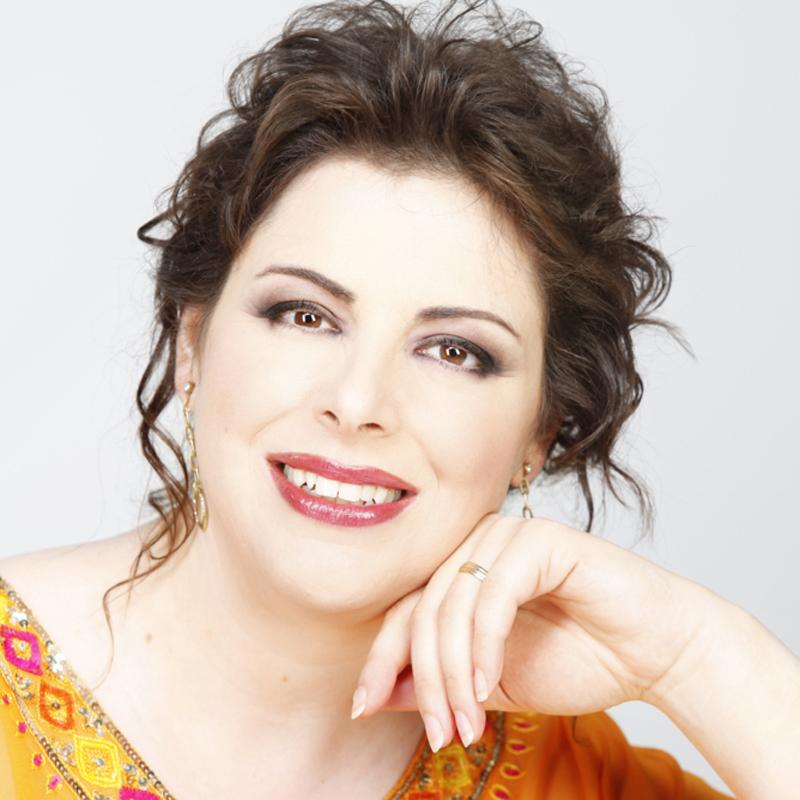
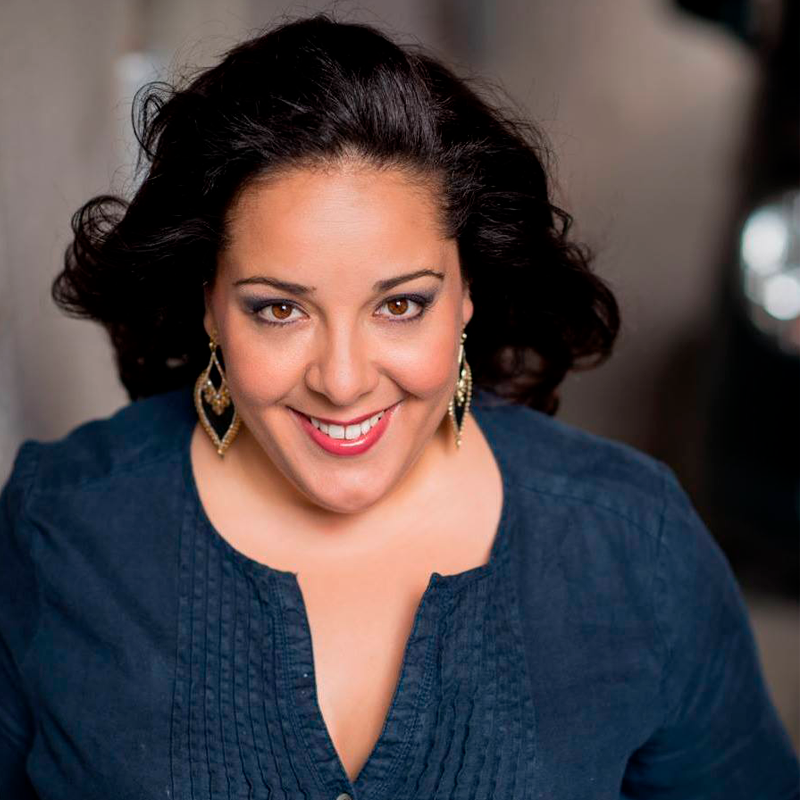
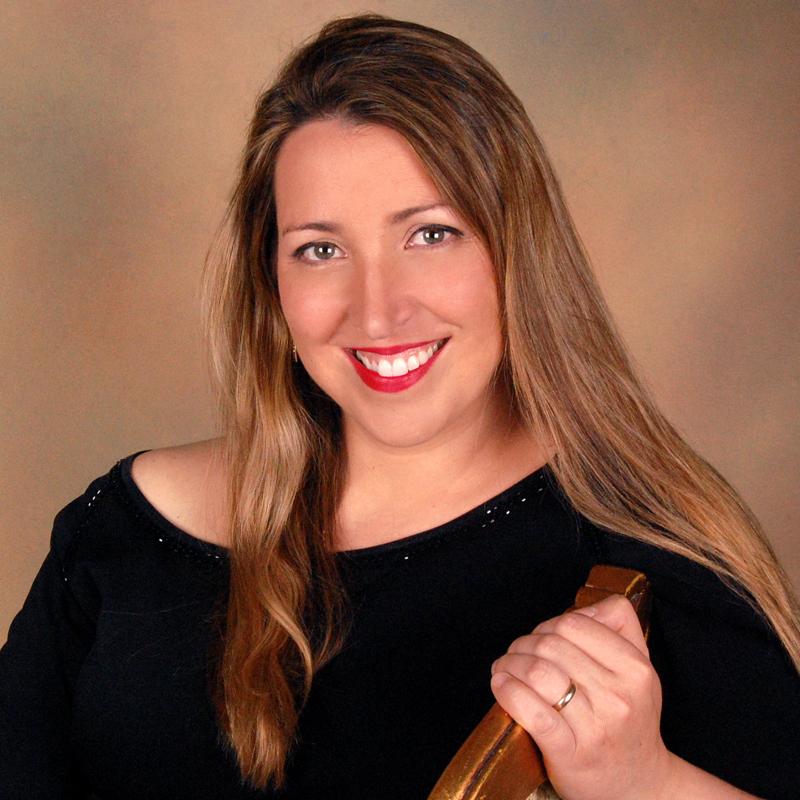
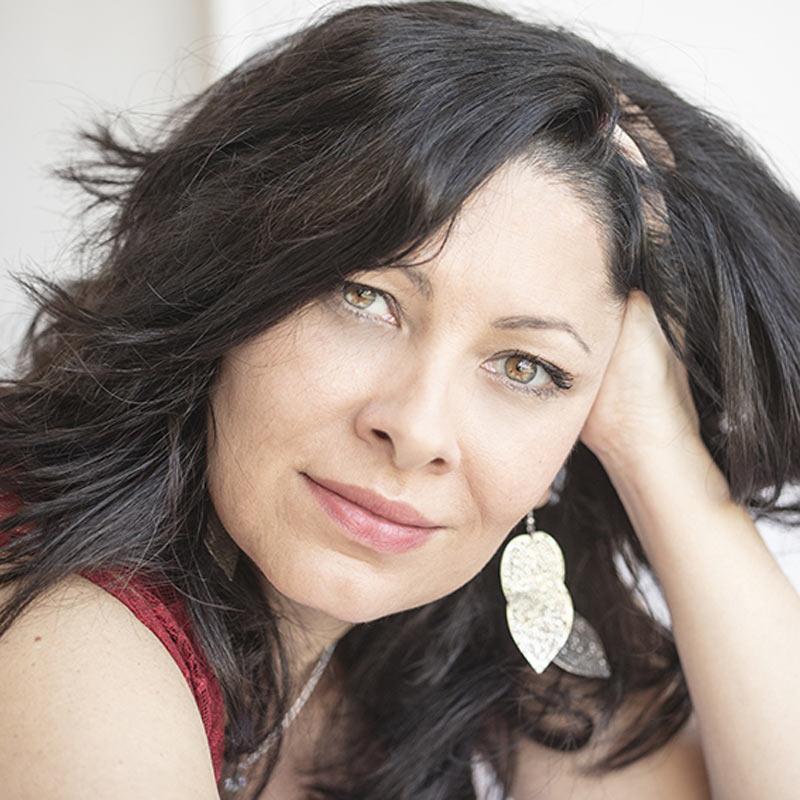
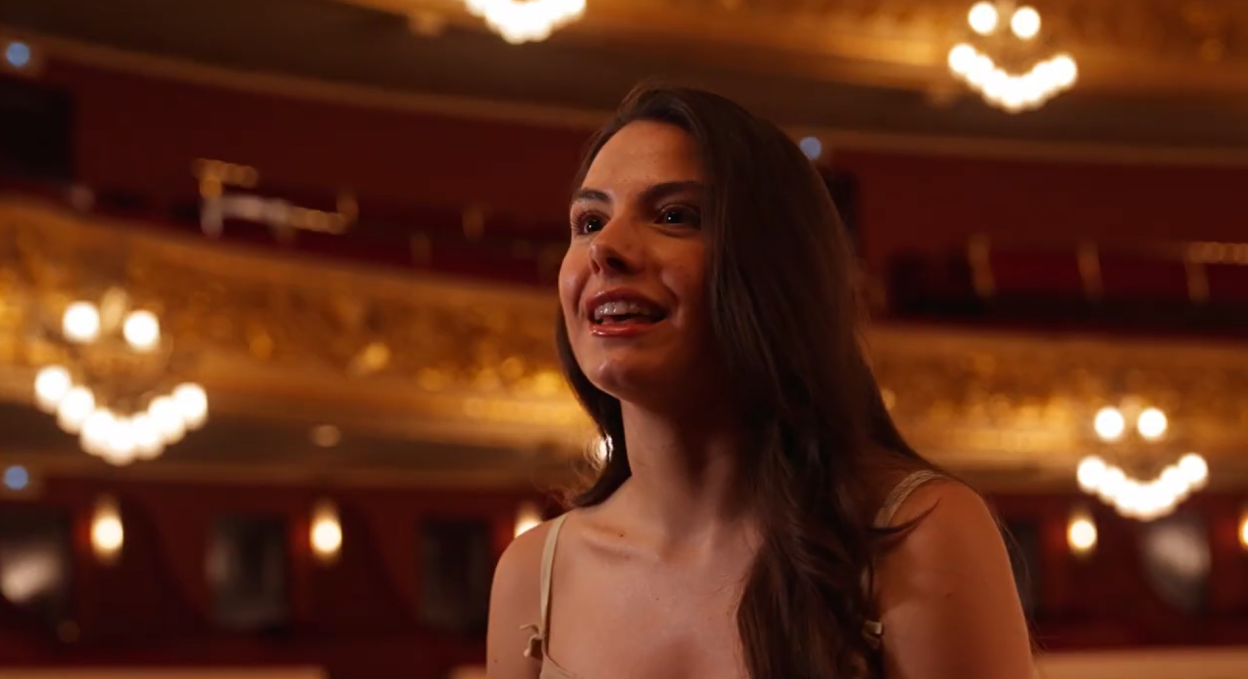
The celebrated baritones Luca Salsi and Ambrogio Maestri will play the role of Falstaff, the autumnal knight cheerfully tormented by a trio of intelligent women, supported by a brilliant cast including Roberta Mantega (Alice), Daniela Barcellona (Mrs. Quickly), Serena Sáenz (Nanetta), Santiago Ballerini (Fenton), and Mattia Olivieri (Ford). An unforgettable score will be in the hands of Josep Pons, bidding farewell to the Liceu audience as principal conductor after 12 wonderful years in the role.
Falstaff, the last laugh of the old Verdi. A clumsy character of profound humanity, possessing the wisdom of those who have come to understand that many things we deem important are, in fact, not. We are all Falstaff! “We don’t want Falstaff to die. And, of course, he won’t. He is life itself.” – Harold Bloom
Lyric comedy in three acts.
Libretto by Arrigo Boito based on The Merry Wives of Windsor and Henry IV by William Shakespeare.
- World premiere: 02/09/1893 at Teatro alla Scala, Milan
- Barcelona premiere: 04/18/1896 at Gran Teatre del Liceu
- Last performance at the Liceu: 12/29/2010
- Total performances at the Liceu: 43
With the support of:
|
Dates and tickets
| Subscription B | |||||
| Subscription F | |||||
| Subscription T | |||||
| Subscription A | |||||
| Subscription D | |||||
| Subscription E | |||||
| Subscription C AD | Buy tickets for Falstaff | ||||
| Subscription PB | Buy tickets for Falstaff |
Special Sessions
July 10: Breathing the Opera – Mindfulness session
July 18: Live audio description service
- Act I and II 1 h 21 min
- Pause 30 min
- Act III 50 min
Artistic profile
- Stage direction and costumes
- Laurent Pelly
- Set design
- Barbara de Limburg
- Associate Costume Designer
- Jean-Jacques Delmotte
- Lighting
- Joël Adam
- Revival Director
- Benoît De Leersnyder
- Assistant Stage Directors
- Iñigo Santacana and Marc Busquets
- Assistant to the musical direction
- Sergio Sáez Tecles
- Co-production
- Teatro Real of Madrid, Royal Theatre of La Monnaie, Brussels, National Opera of Bordeaux, Tokyo Nikikai Opera Foundation, Neoescenografía S. L.
- Musical Assistant Coaches
- Véronique Werklé, Vanessa Garcia, David-Huy Nguyen-Phong and Jaume Tribó
- Choir of the Gran Teatre del Liceu
- Conductor Pablo Assante
- Symphonic Orchestra of the Gran Teatre del Liceu
- Josep Pons
- Actors and actresses
- Gabriel Soler (Innkeeper), Laia Díaz (Robin), Imanol Diéguez, Ariadna Jordan, Biel Marieges, Omar Tubau.
Cast
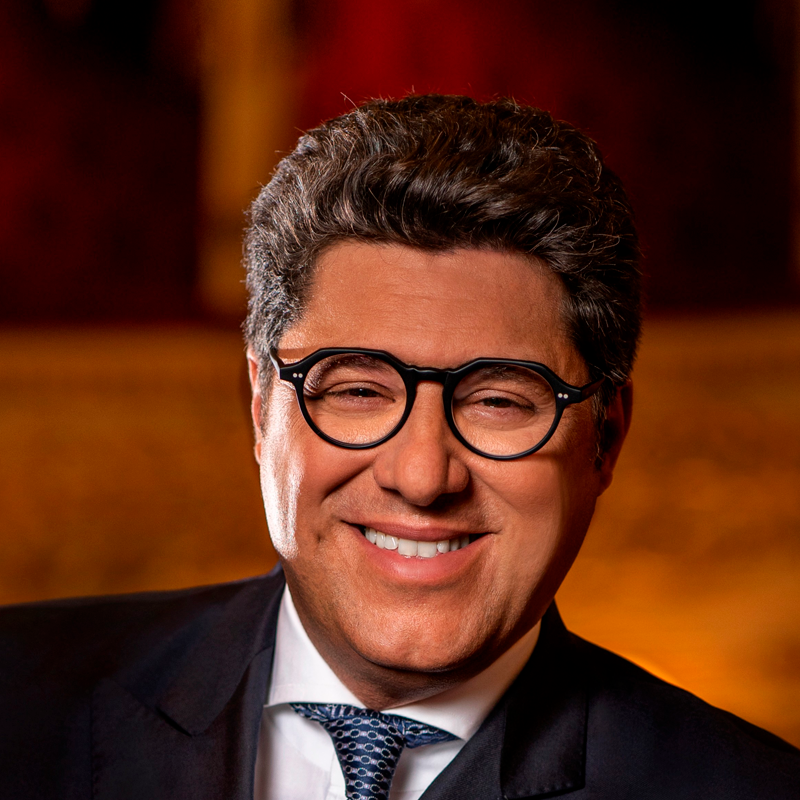



Cast change
- Baritone Lucas Meachem will perform the role of Ford in all performances of Falstaff. He will therefore also take over the performances initially scheduled with Igor Golovatenko, who is ultimately unable to join the production due to personal reasons.
Get ready for 'Falstaff'
Special sessions
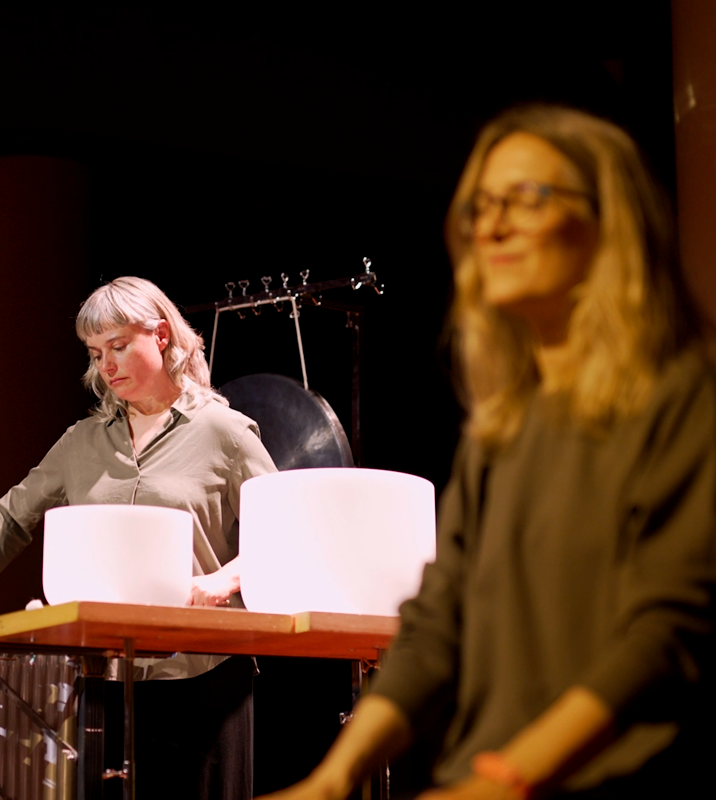
Breathing the Opera
Breathing the Opera is a 30-minute guided session led by coach Mònica Arús, with a soundscape by music therapist Núria Andorrà, where we will practise simple breathing, relaxation and mindfulness exercises to enter a state of calm and openness that will help us enjoy the performance with presence and awareness.
Friday, July 10
6:30 h
Buy the full experience here: mindfulness session + opera performance.
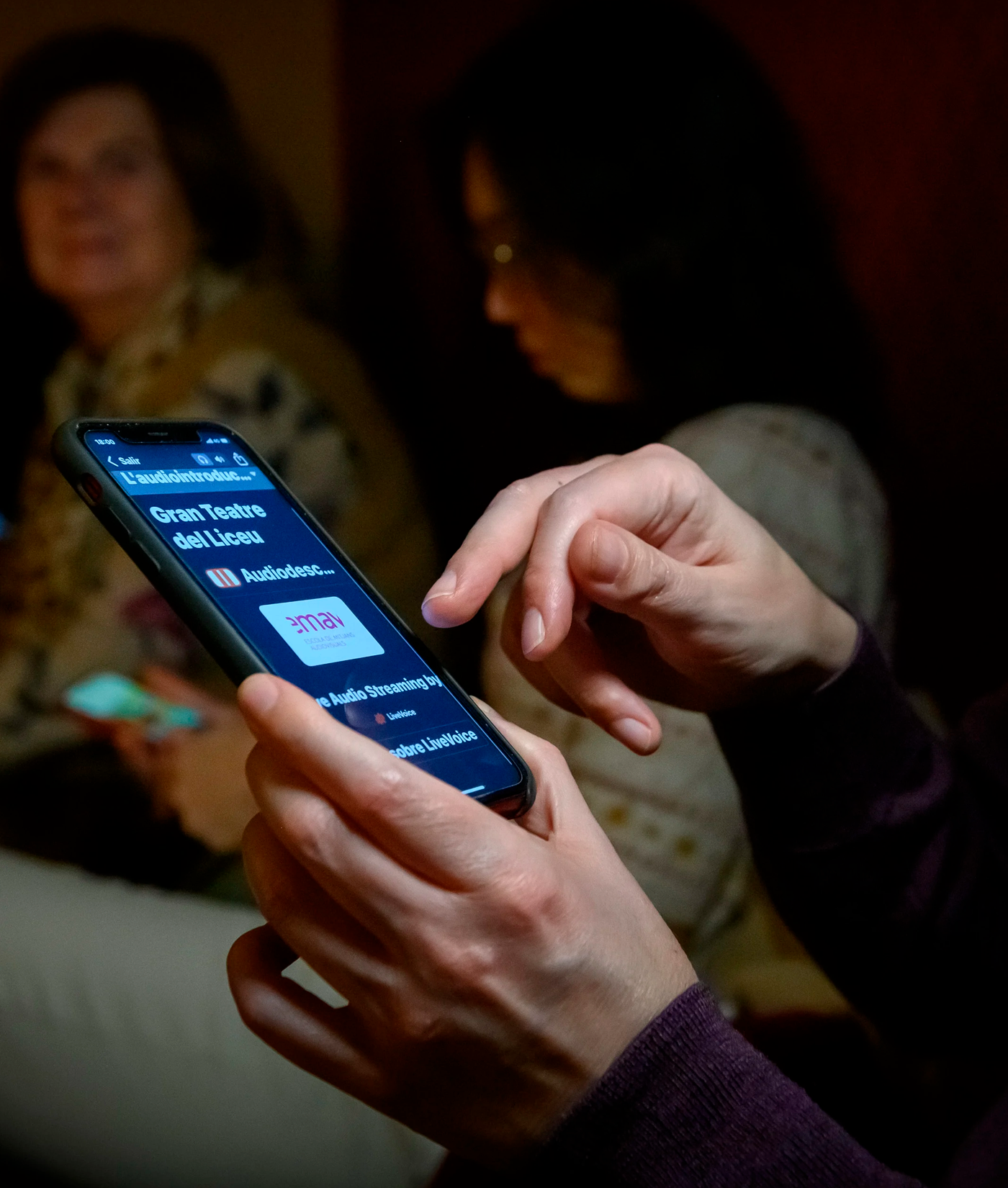
Audiodescripció
Live audio description is available for one performance of each staged opera, narrating key visual elements to benefit blind and visually impaired audience members. The service consists of two parts: an audio introduction fifteen minutes before the performance begins, and live audio description during the show.
LiveVoice App
To listen to the audio description, simply click on “Audiodescription at the Liceu” or open the LiveVoice app and enter the code: 075177.
Sunday, June 21
6:00 pm
OperaVision
Thanks to the agreement between the Gran Teatre del Liceu and OperaVision, the premiere of Falstaff by Giuseppe Verdi will be broadcast live on the OperaVision platform.
The performance will also remain available on demand for six months, allowing international audiences to watch it again and enjoy it online at a later date.
24 July at 7:00 pm

| 
| 
|