

It stands out for its exuberant music and dramatic complexities
«Madness is the price we pay for imagination»
Emil Cioran
Semiramide is one of the last operas by Gioachino Rossini. Premiered at the Teatro La Fenice in Venice in 1823, and based on Voltaire’s tragedy Sémiramis, it stands out for its exuberant music and dramatic complexities, as well as a plot full of passions, family conflicts, and political intrigue. With a libretto by Gaetano Rossi, the opera is a prime example of the bel canto genre, where vocal performance and the technical skill of the singers are key elements.
The plot of Semiramide revolves around the protagonist, the Queen of Babylon, who is caught in a web of revenge and secrets. The story begins with the death of her husband, Nino, and the mystery of who was responsible for the murder. Semiramide, after many years of reigning, falls in love with the hero Assur, unaware that he is the son of her murdered husband.
Musically, it stands out for the richness and difficulty of its arias and ensembles, especially in moments of great emotional intensity. The character of Semiramide is central to the opera, and her aria “Bel raggio lusinghier” is one of the most emblematic moments, reflecting her inner struggle between love and duty. Rossini's music, with its characteristic brilliance, blends with moments of great dramatic intensity.
Melodramma tragico in two acts
Libretto by Gaetano Rossi based on the tragedy Sémiramis by Voltaire
- World premiere: 03/02/1823 at the Teatro La Fenice in Venice
- Premiere in Barcelona: 20/04/1826 at the Teatre de la Santa Creu
- Premiere at the Gran Teatre del Liceu: 20/04/1854
- Last performance at the Liceu: 12/12/2005
- Total performances at the Liceu: 41
With the support of:

|
Dates and tickets
| Subscription B |
- First part 2 h
- Pause 30 min
- Second act 1h 30 min
Artistic profile
- Choir of the Gran Teatre del Liceu
- Conductor Pablo Assante
- Symphonic Orchestra of the Gran Teatre del Liceu
- Conductor Paolo Arrivabeni


Cast changes
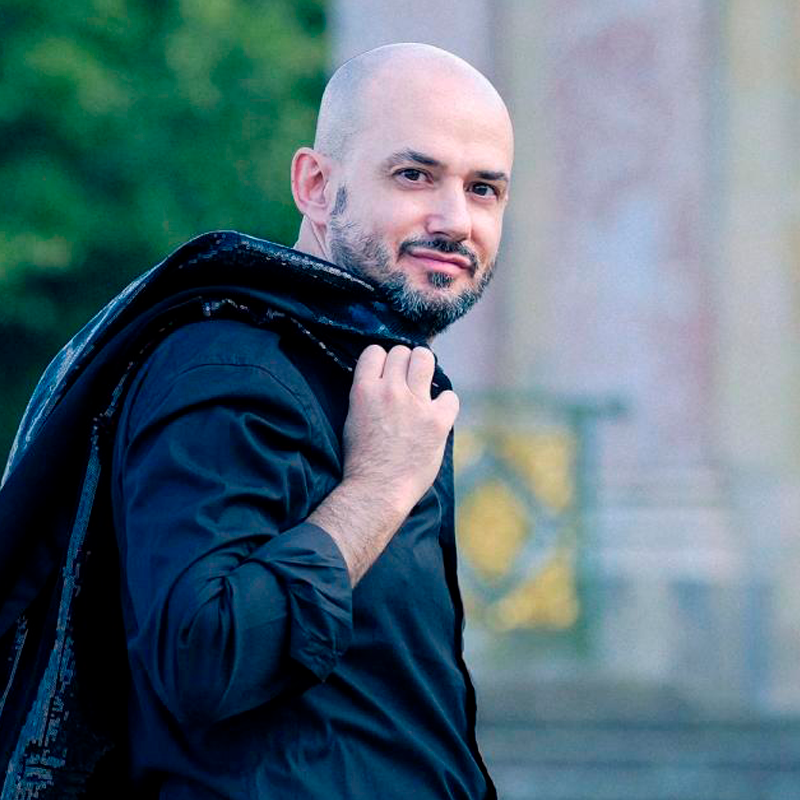
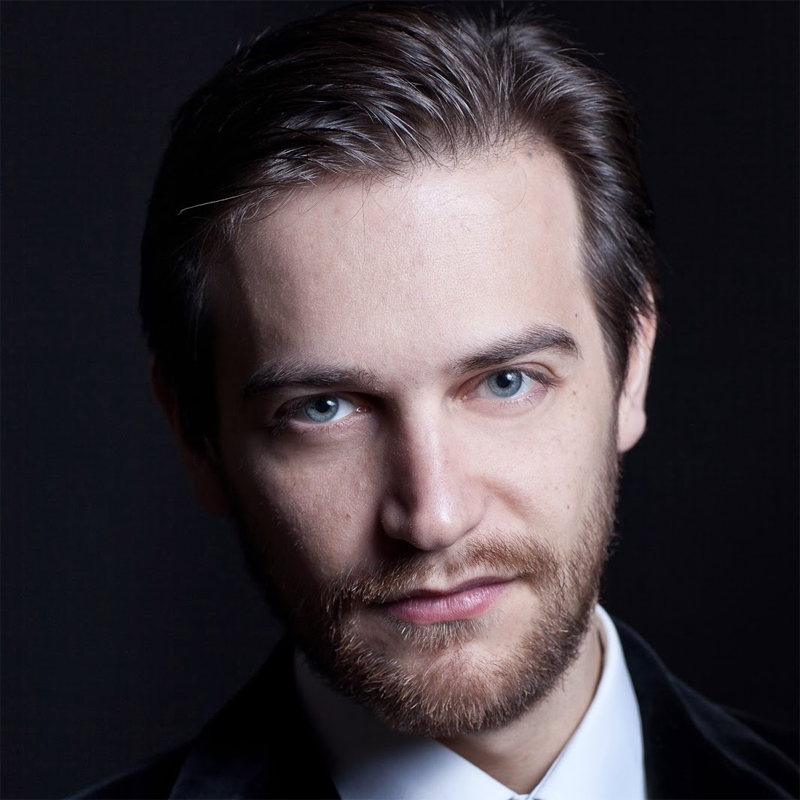
- The role of Mitriane will be sung by tenor Carlos Cosías, replacing Juan de Dios Mateos, who will be unable to take part in this production due to scheduling conflicts.
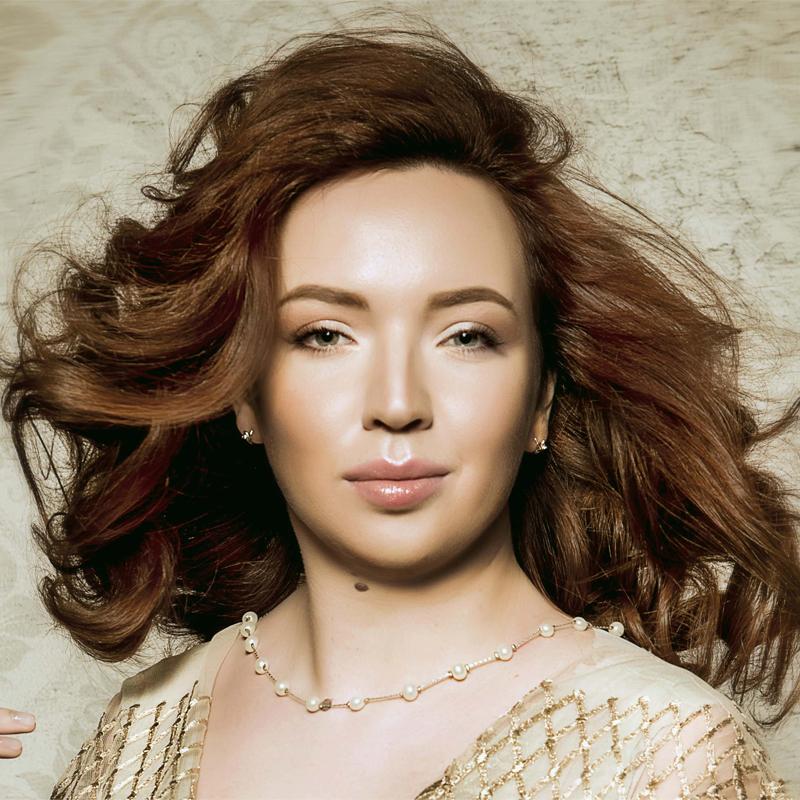
- Due to changes in the Liceu’s planning, soprano Adela Zaharia has unfortunately decided to cancel her participation in 'Semiramide'. soprano Vasilisa Berzhanskaya joins the production performing the title role.
Hand program