


Wagner’s 'Tristan und Isolde' arrives at the Gran Teatre del Liceu with a spectacular production by Bárbara Lluch. Featuring Lise Davidsen making her debut as Isolde and musical direction by Susanna Mälkki, Wagner’s most revolutionary opera explores impossible love and absolute passion through intense music, legendary duets, and a demanding Wagnerian performance that calls for the world’s finest voices




Act I. Preludi
The opera begins with the famous 'Tristan chord,' a milestone in the harmonic evolution of Western music: a phrase that does not resolve according to the rules of tonality, leaving a lingering sense of doubt and anxiety. The prelude also introduces various themes that will become important in the opera, arranged in an unstable manner, creating a feeling of tension while awaiting a satisfying resolution that, as the work’s ending shows, is only found in death
Act II. Tristany, Isolda
«O sink hernieder, Nacht der Liebe.»
Sheltering in the night, a premonition of death, and hidden from King Marke, Tristan and Isolde meet in a garden to share their first romantic encounter. The result is the longest and most superhuman duet in opera history, lasting about 25 minutes. The enamored couple desperately seeks the fulfillment of their love. Just as they are about to reach this culmination, more metaphysical than physical, Brangäne intervenes: someone is approaching and the sonic ecstasy is cruelly interrupted.
Act III. Isolda
«Liebestod»
After Tristan’s death, Isolde decides to follow him to the place where they can be together forever and achieve the fullest expression of their immense and indescribable love: on the other side, beyond the physical world. The opera’s concluding moment, an aria of lyrical beauty and unmatched dramatic tension, which the soprano must perform after four hours of the show, also resolves the uncertain chord of the opening prelude: the harmonic tensions are finally resolved in a sublime and unsurpassable aria.
On stage
Long before its premiere, Tristan und Isolde had the unfortunate reputation of being an unperformable and difficult opera to sing. This was never Wagner’s intention: his plan was to create a work with minimal stage demands that would be attractive to singers, allowing them to achieve sublime beauty and burn in unparalleled romantic passion. In practice, however, Tristan und Isolde is a metaphysical drama that cannot be approached solely through the literal interpretation of the libretto, and Wagner’s music was new for its time: it stretched harmony, forced dissonance, and thickened the acoustic texture with a large number of notes, leaving orchestras unsure of how to perform it. And while singers could indeed sing it, the challenge was to do so in a single night, as there are few characters and the protagonists have hardly any moments of rest. It is enough to recall the grim anecdote that made this work the nightmare of many tenors: the first Tristan, Ludwig Schnorr von Carolsfeld, died three weeks before the premiere in 1865 from multiorgan failure, which some theories attribute to the overexertion of preparing the role.
| 
|
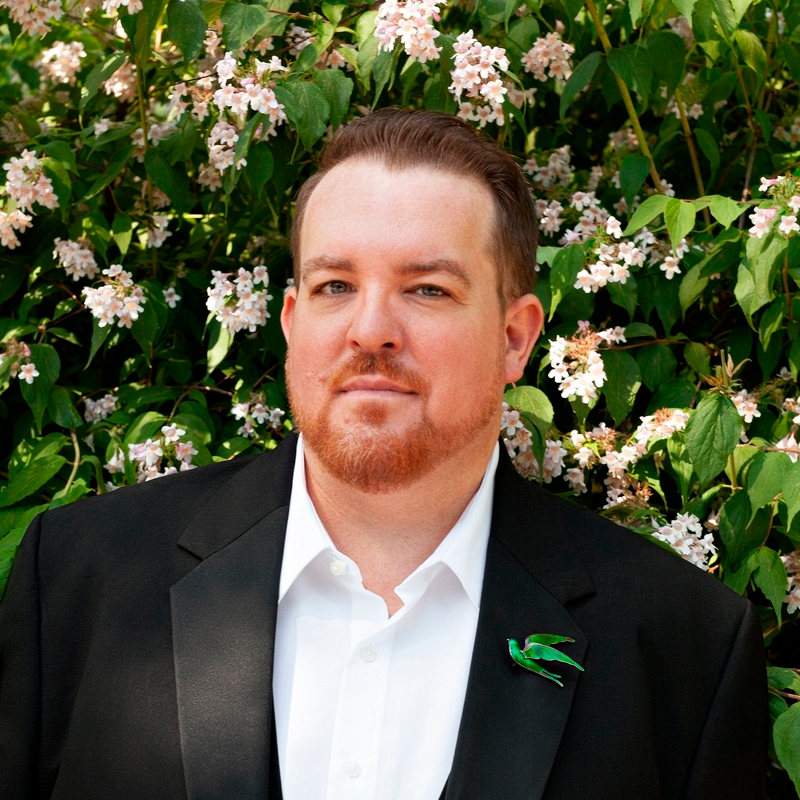
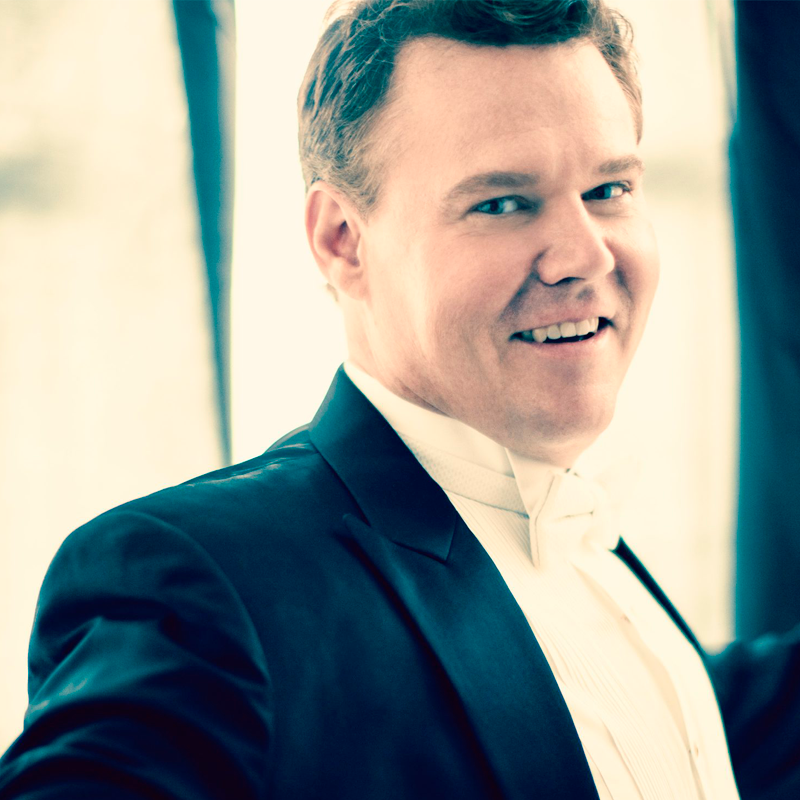
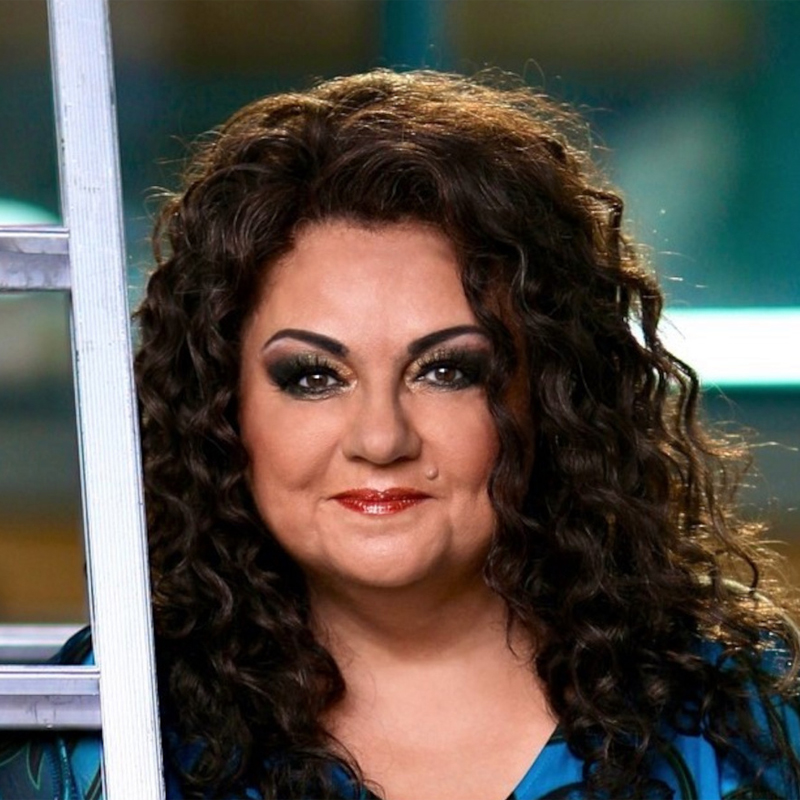
In the 21st century, Tristan und Isolde is neither unperformable nor a torture for singers: in fact, it has a much better reputation, considered the greatest opera in history, or at least the one that ushered in modernity after a long classical period. Yet it remains a work that demands the finest voices in the world to fully realize its potential. Tristan, the character with the most stage time, requires strong tenors, especially capable of performing the third act in peak condition, which for opera singers is like finishing a marathon for athletes. On this occasion, we will have two heroic tenors, top-tier Wagnerian heldentenors, the Americans Clay Hilley and Bryan Register, the latter performing on two dates, January 15 and 25. We will also have two top-tier Isoldes: Lise Davidsen and Elena Pankratova, also on January 15 and 25.

| 
|
The presence of Davidsen is particularly significant, as the Norwegian soprano, currently one of the great sensations in the opera world and the star destined to dominate the dramatic repertoire in the coming years, will make her full debut as Isolde in Barcelona. Previously, in 2024, she had performed the second act in Munich. Alongside Davidsen will be Ekaterina Gubanova in the role of Brangäne. The other roles will be performed by the English bass Brindley Sherratt, responsible for bringing severity and rigor to King Marke, the Polish baritone Tomasz Konieczny as the squire Kurwenal, and the Catalan tenor Roger Padullés as the treacherous knight Melot. The minor roles, the helmsman and the shepherd and sailor, will be performed respectively by Milan Perišić and Albert Casals. All performances will be conducted by the Finnish Susanna Mälkki, one of the most meticulous conductors on today’s scene. With this vertiginous artistic standard, these performances aim for an undeniable result: excellence.