

This event has already taken place.
We invite you to explore the current schedule.
“I found myself constantly investigating my image on the monitor of my video machine.”
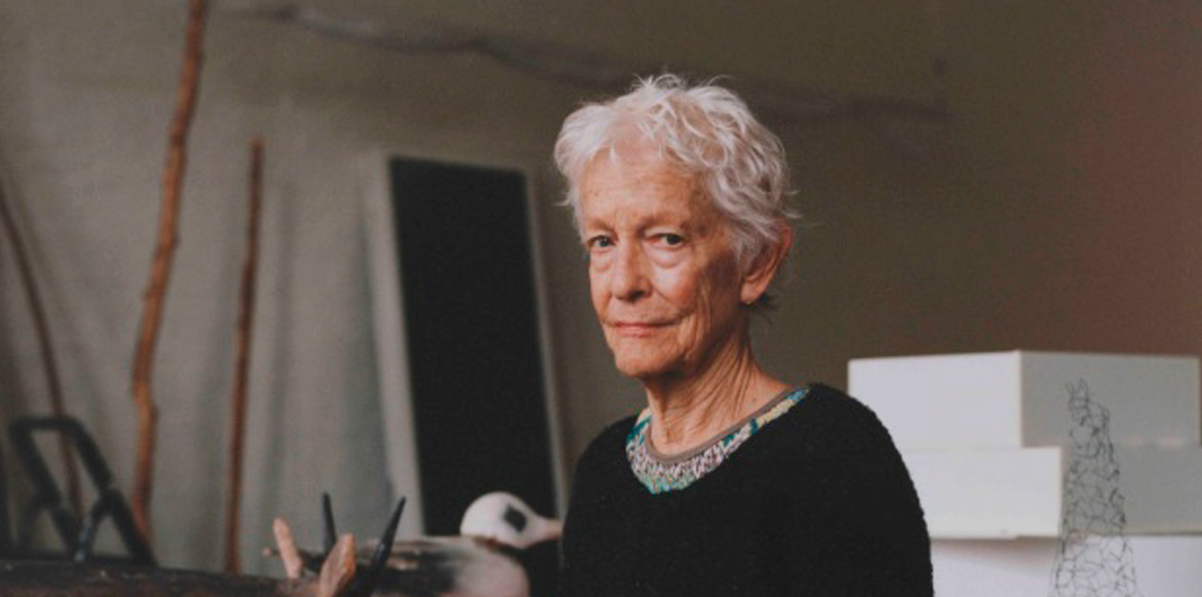
Joan Jonas
Few artists can claim to have initiated a new form of art. Joan Jonas (New York, 1936), however, was crucial to the formation of two art forms: video and performance art. Starting in the late 1960s, Jonas fused various influences (from silent cinema to magic shows) and new technologies (such as portable video cameras and television monitors) to explore the intertwining of the human body and its recorded image.
Her video performances raised new questions that, in the twenty-first century, have only grown in relevance. How do we look at ourselves and others through the video camera? What new types of identities do these electronic images open or impose on us, especially for women?
Working in the vibrant art scene of Soho, reflective surfaces / mirrors became a key motif throughout the artist’s career. In her influential works, performers would carry mirrors in front of the audience, which would suddenly be confronted with their own image, an inversion of the typical relationship between the viewer and the artist. For Jonas, the reflected image does more than just reflect: it projects into the world and changes it.
While Jonas has mapped the effects of new technology, she has also looked at longer histories that connect past and present. The strange powers of modern electronics, with their ability to create visual illusion, find their precedents in old folktales about magical characters and mysterious events.
Accompanied by the moving soundtrack created for the occasion: a bestiary written by Enric Casasses and composed by the country’s most illustrious composers, the work evokes the rich inner life of these animals, as well as their precariousness in the face of a changing climate. As Jonas points out, “from the beginning, nature has been a context for my work”: ecological images permeate all stages of her career. Just as a natural ecosystem recycles the old into the new, Jonas's art creates a dynamic and interconnected ecology that continues to evolve.
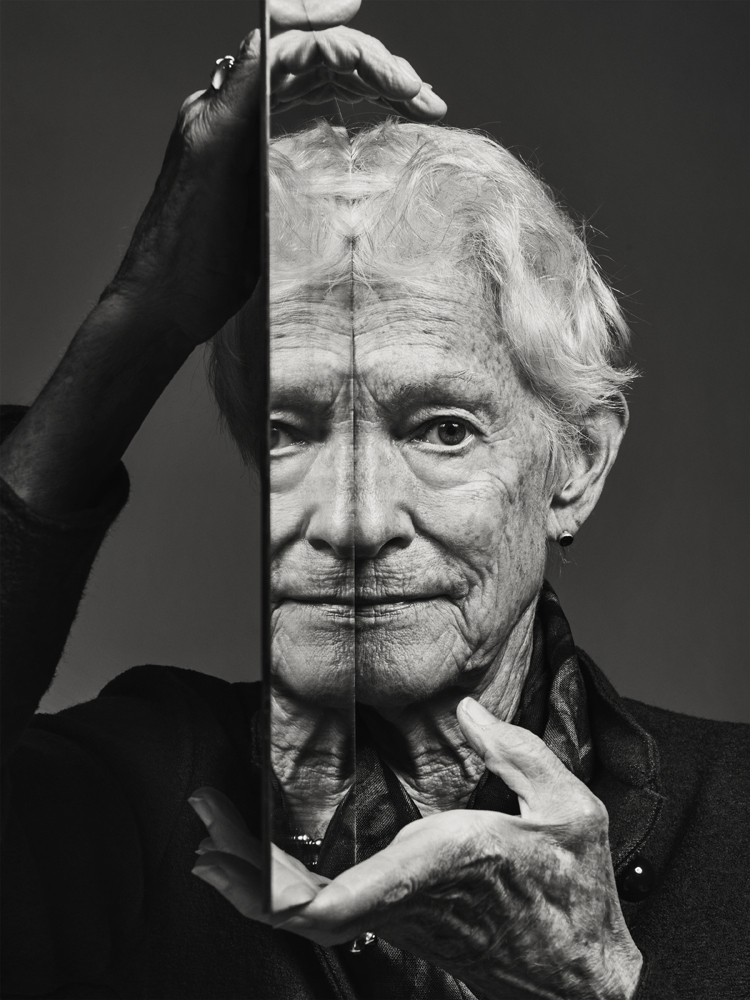
Joan Jonas
Joan Jonas (New York, 1936) is an American artist considered one of the pioneers of contemporary art, especially in the fields of performance, video, and installation. She began exploring video in the late 1960s, being one of the first to integrate it into her artistic work, combining it with performance in pieces that challenge traditional narrative and visual conventions. Her most iconic piece, Vertical Roll (1972), combines real-time images and video manipulation, exploring the distortion of reality and time.
Her work often addresses themes such as the body, myth, memory, and nature, using a mix of visual, sound, and theatrical elements to create immersive experiences. Joan Jonas has been a key figure in experimental art, with international exhibitions at places like the Museum of Modern Art in New York and the Venice Biennale. In addition to her artistic practice, she has influenced generations of future artists as a teacher and mentor, leaving an indelible mark on the art world.