

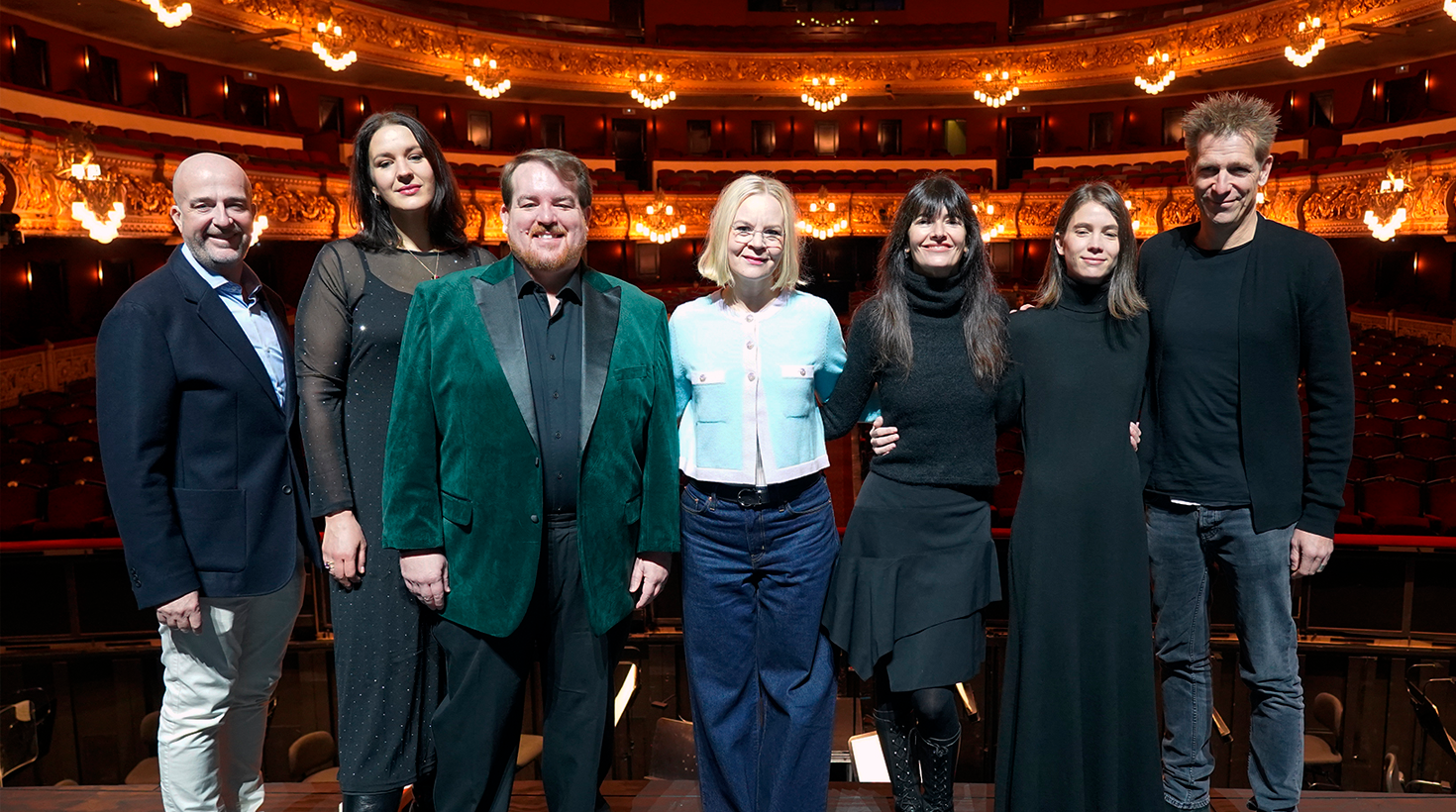
The Gran Teatre del Liceu presents a new production of Tristan und Isolde by Richard Wagner, featuring a historic event: the world debut of Lise Davidsen as Isolda. Under the stage direction of Bárbara Lluch and the musical direction of Susanna Mälkki, the opera explores the absolute and cosmic dimension of Wagnerian love. The cast includes Clay Hilley, Brindley Sherratt, Ekaterina Gubanova, and Thomas Konieczny, with a high-level second cast. A major initiative by the Liceu that places Barcelona at the center of the international operatic scene.




The new Liceu-led production of Tristan und Isolde by Richard Wagner will arrive at the Theatre on Monday, January 12, 2026, with an exclusive premiere stage proposal directed by Bárbara Lluch, exploring the cosmic immensity of the love that binds the protagonists.
Norwegian soprano Lise Davidsen will perform the role of Isolda at the Liceu for the first time, following a period of rest linked to her recent maternity: a decisive moment in her career and a significant milestone in the Theatre’s artistic history.
Finnish conductor Susanna Mälkki will lead the seven scheduled performances—from January 12 to 31—with two casts featuring major Wagnerian voices such as Clay Hilley, Bryan Register (Tristan); Elena Pankratova (Isolde); Brindley Sherratt (King Marke) and Ekaterina Gubanova (Brangäne). On February 15, Tristan und Isolde will premiere digitally on the Liceu OPERA+ platform.
In this new production, Bárbara Lluch places the opera in spaces that evoke a sense of infinity, while the musical direction of Susanna Mälkki supports a high-level cast led by Lise Davidsen, regarded as one of the leading voices of our time and especially beloved by Liceu audiences.
The opera by Richard Wagner, one of the most influential in history, returns to the Gran Teatre del Liceu, the Wagnerian stage par excellence, where it was last seen in 2017 in the production by Àlex Ollé.
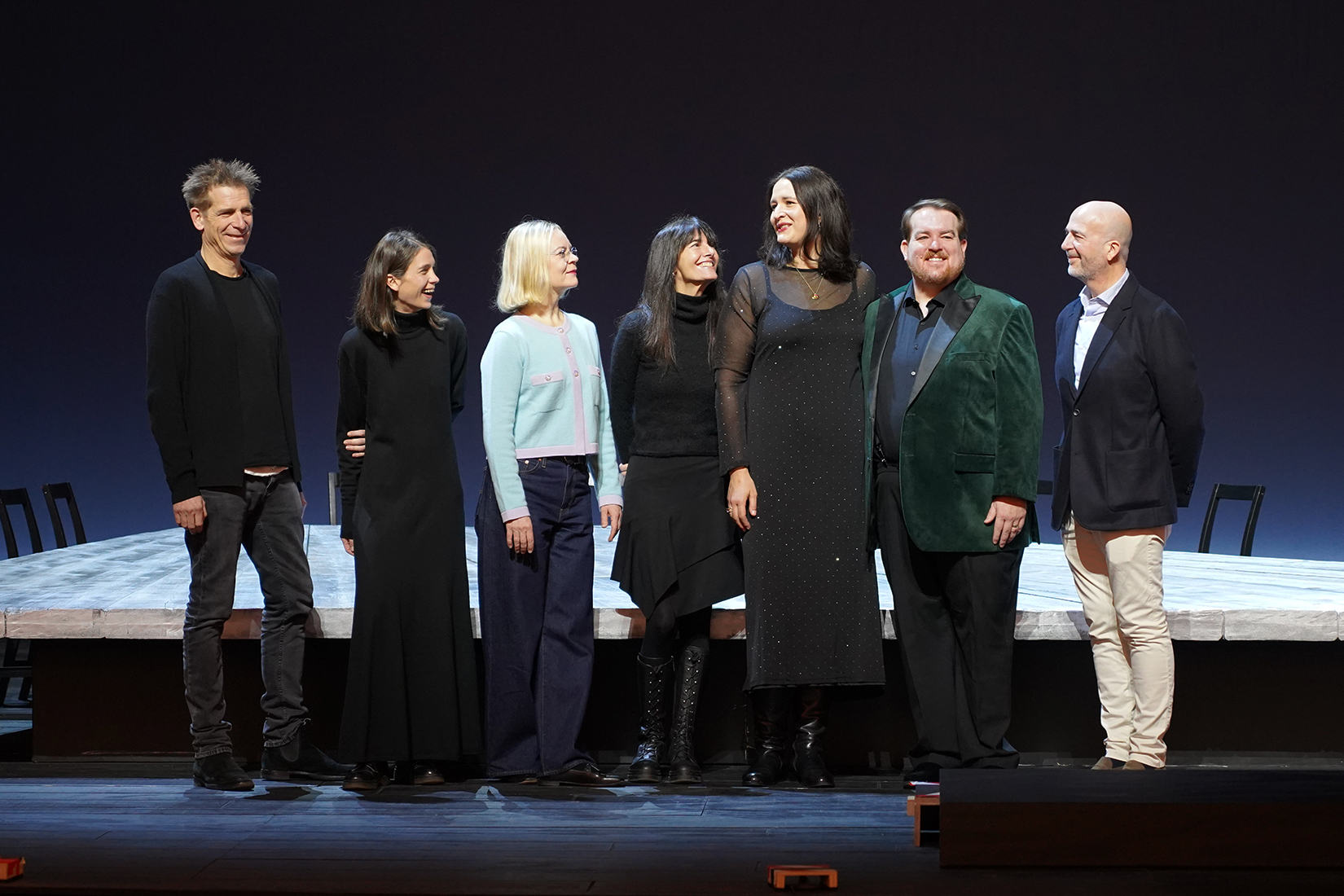
The plot: love as a cosmic experience beyond life and death
Tristan und Isolde is not only Wagner’s most revolutionary musical drama, but also an unparalleled exploration in opera history of the mystery of love, understood as the most important creative force in the universe. Tristan und Isolde is an immense dramatic-musical poem; an infinite song of love and death inspired by the 12th-century Celtic medieval legend collected by Jofré d’Estrasburg, which became one of the cultural references of the Middle Ages and, in Wagner’s hands, a cultural revolution.
The opera begins aboard the ship carrying Isolda to Cornwall, where she is to marry King Marke. Tristan, the knight escorting her to her destiny, is also the man responsible for the death of Marold, Isolda’s former fiancé. Determined to take revenge, the princess requests a death potion; but her maid Brangäne, fearful of tragedy, unexpectedly substitutes it with a love potion. From this point, the contained passion between the two protagonists erupts and culminates, in the second act, in one of the most powerful scenes of amorous ecstasy in opera history.
The discovery of this impossible love triggers fate. After the death of Tristan, Isolda can only consummate it in the famous Liebestod, a death of love that unfolds both musically and spiritually, producing one of the most sublime endings in the repertoire.
Written between 1857 and 1859 and premiered in Munich in 1865, the opera takes the tragic love of the protagonists and transforms it into a radical exploration of human passion. With a libretto by Wagner himself, the work presents a love that asserts itself beyond will, moral conventions, and even divine laws, to the extent that only in death does it find its full fulfillment.
The production
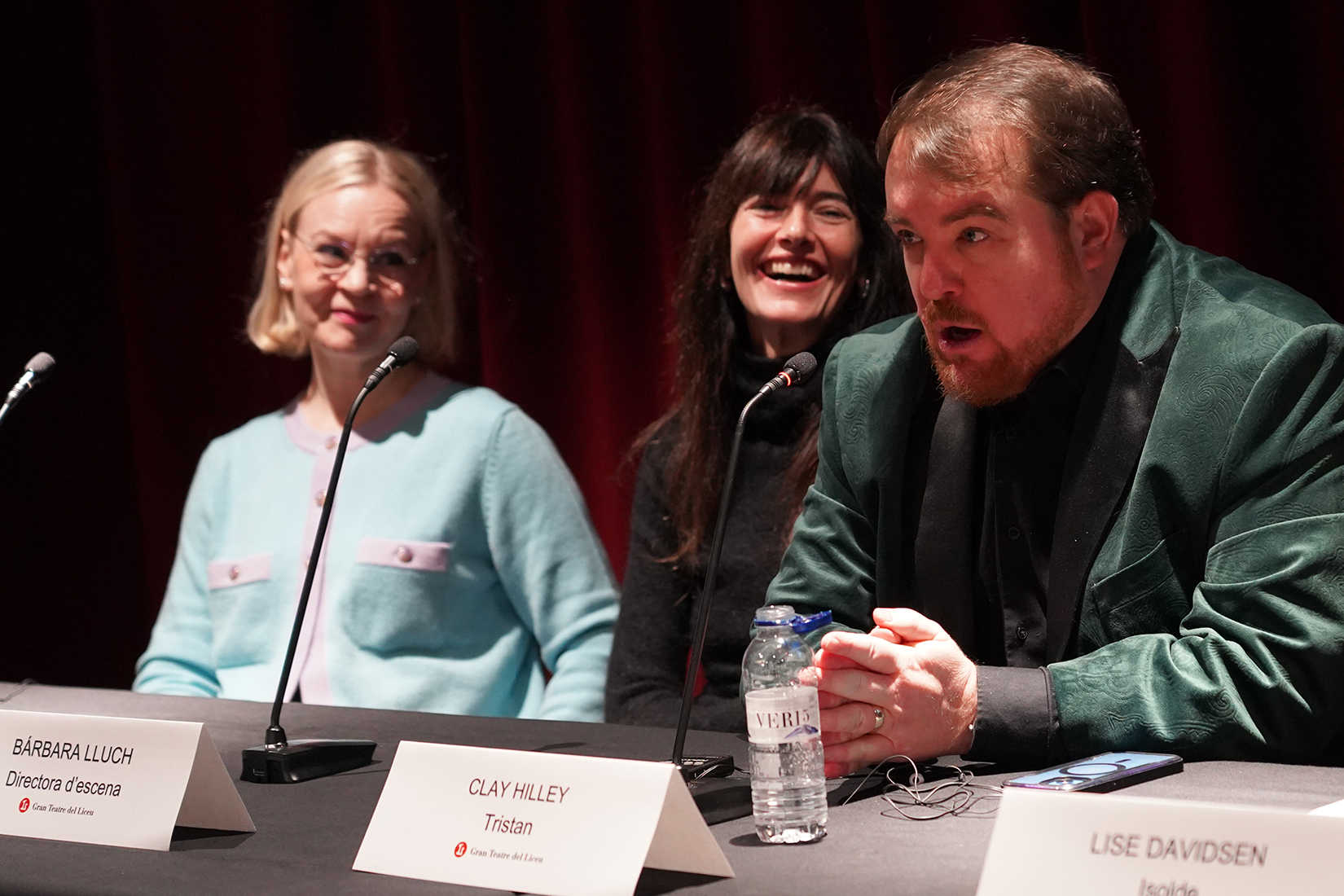
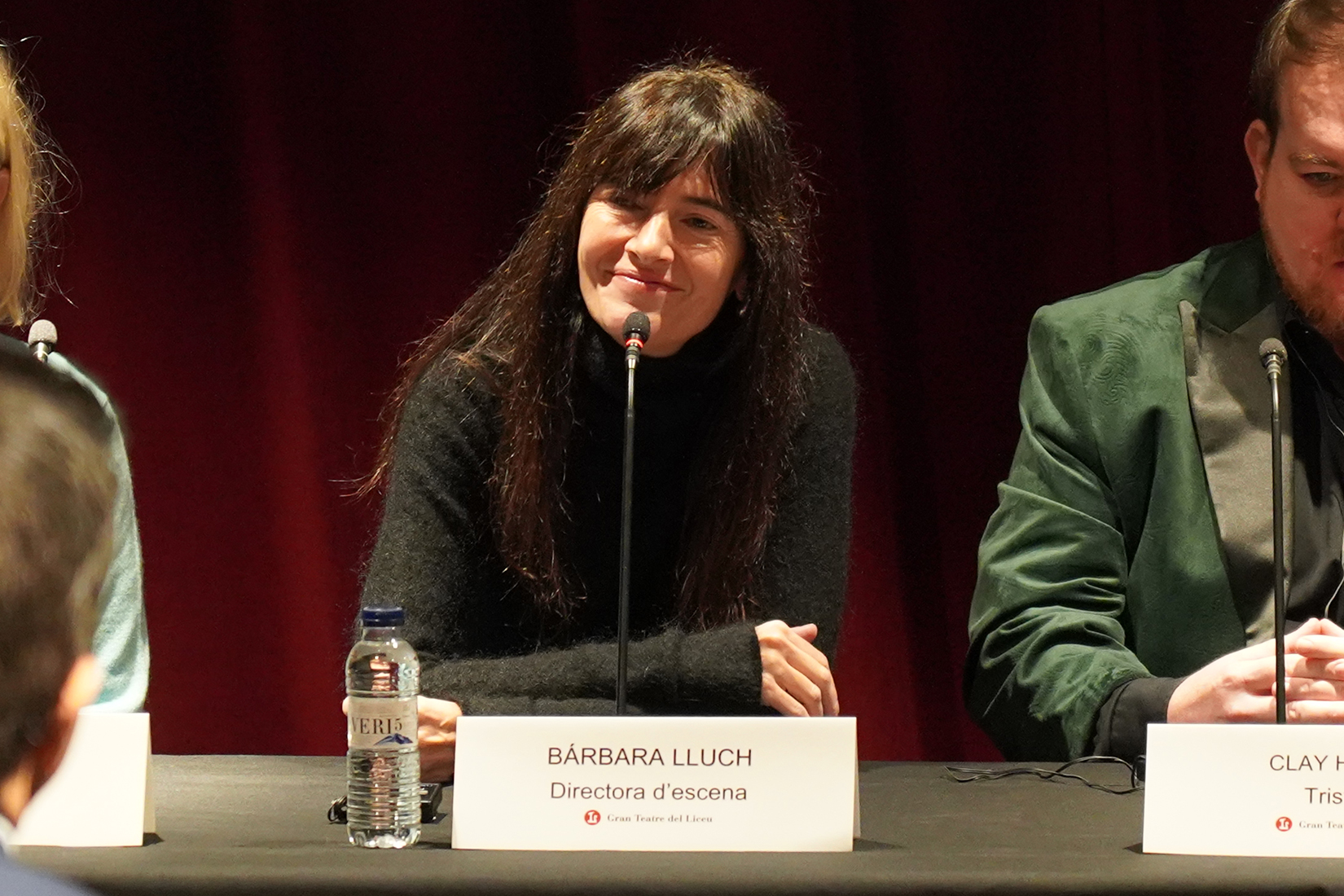
Stage director Bárbara Lluch takes on the challenge of bringing this masterpiece by Wagner to the stage, proposing solutions so that the two layers of the opera —story and ideas— converge into a moving experience. The entry point Lluch has found to tackle this responsibility is her personal experience: she says she understands the characters because she has known total love, feeling it with the same intensity.
“I have loved like this,” explains Lluch. “I have lived that sensation where love alone is enough, where you feel intoxicated, needing neither food nor drink, only air to breathe and the presence of the person you love.” Tristan and Isolde, even before drinking the love potion in the first act, are already in love: the magic and surrounding characters —Brangäne, Kurwenal, Melot, King Marke— only activate and accelerate the passion that already existed, leading them to want to escape reality and inhabit their emotional bubble.
The scenography and lighting design are by Urs Schönebaum, who has created environments that seek to erase the limits of the stage and expand them through a clever play of perspectives and light, influenced by painters such as William Turner, 19th-century master of light, and Anselm Kiefer, a leading figure of 20th-century abstraction.
All of this stage framework reinforces the central idea of the opera: Lluch’s proposal presents love as a force that stops for nothing. “The heart wants what it wants,” she summarizes. Neither morality, society, nor fear can prevent it from reaching its destination, even if it must do so through death, traveling —as Wagner says— to the land from which no one returns.
The production also seeks to reinforce Wagner’s ideas about love: a constructive force, unstoppable by any obstacle, capable of transforming reality.
Key musical moments
With Tristan und Isolde, Wagner created a revolutionary opera that pushes Romantic ideas of love to their limit and accompanies them with new and tense music. It is not only Wagner’s masterpiece, but one of the great masterpieces of all Western art.
The opera begins with the famous Tristan chord, a milestone in the harmonic evolution of Western music: a phrase that does not resolve according to the rules of tonality, creating a sense of doubt and expectation. The prelude introduces several themes that will gain importance throughout the opera, arranged in an unstable manner to generate tension that is only fully resolved in the death of the protagonists.
Hidden from King Marke and taking refuge in the night —a premonition of death—, Tristan and Isolde meet in a garden to share their first amorous encounter. The result is a duet lasting more than 25 minutes, O sink hernieder, Nacht der Liebe, considered one of the longest and most superhuman in opera history. The lovers desperately seek the fulfillment of their love, but just as this culmination —more metaphysical than physical— is about to be reached, Brangäne intervenes, cruelly interrupting the sonic ecstasy.
After the death of Tristan, Isolde decides to follow him beyond the carnal world, where they can be together forever and achieve the ultimate expression of their immense and indescribable love. This final aria, the famous Liebestod, of exceptional lyrical beauty and dramatic tension, is also the resolution of the uncertain chord of the opening prelude: the harmonic tensions dissipate, offering a sublime and incomparable moment that crowns the work.
On stage: a top-tier cast led by Lise Davidsen
Long before its premiere, Tristan und Isolde had earned a reputation as difficult to stage and vocally demanding. The music, revolutionary for its time, stretched harmony, forced dissonance, and filled the sonic space with a dense web of notes, turning the performance into a true challenge.
In the 21st century, Tristan und Isolde continues to demand the world’s finest voices. The role of Tristan, with the most stage time, requires heroic tenors capable of maintaining full vocal strength until the third act—the operatic equivalent of running a marathon. In this production, the Liceu features two of the greatest North American heldentenors: Clay Hilley and Bryan Register, who will sing in the performances on January 15 and 25.
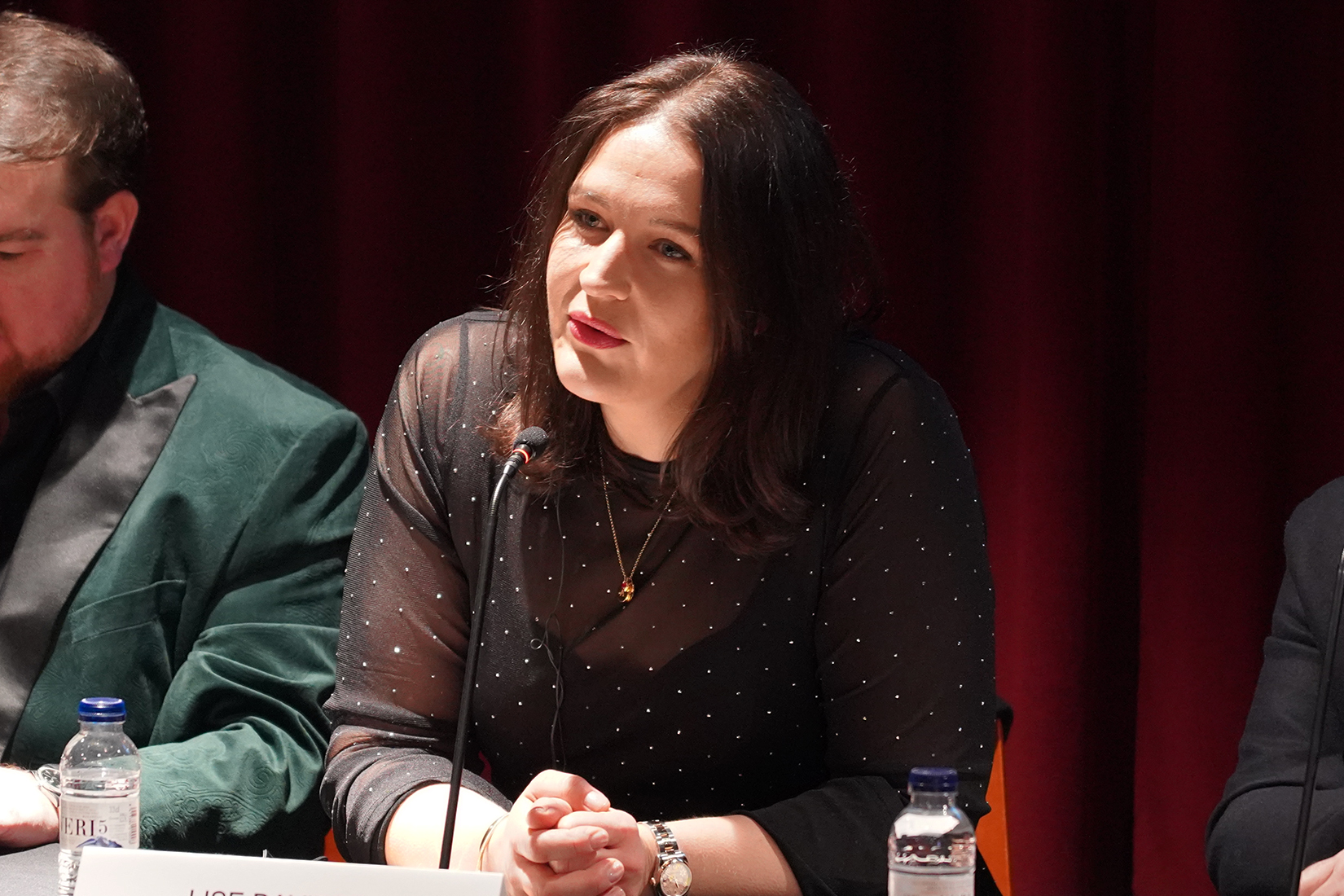
Alongside them, there will be two top-tier Isoldes: Lise Davidsen —making her Barcelona debut in the role and already regarded as one of the leading stars of the global opera scene— and Elena Pankratova (also on January 15 and 25). Ekaterina Gubanova will perform Brangäne, while the other principal roles will be sung by English bass Brindley Sherratt (Rei Marke), Polish baritone Tomasz Konieczny (Kurwenal), and Catalan tenor Roger Padullés (Melot). Secondary roles—helmsman, shepherd, and sailor—will be performed by Milan Perišić and Albert Casals.
All performances will be conducted by Susanna Mälkki, one of today’s most recognized and perfectionist maestros. With this extremely high artistic level, the production aims at an unquestionable goal: excellence.
With the exclusive sponsorship of:

|