
Händel and the invisible battle of the soul between time and vanity
"If we believe in absurdities, we will commit atrocities"
Voltaire
Everything beautiful fades. Handel, with this first great moral allegory, approaches a vibrant and invisible battle of the human soul. Il trionfo del tempo e del disinganno, premiered in Rome in 1707, is a vast canvas that reflects on vanity: Youth, Beauty, Time, and Disillusion confront one another in a dialogue of splendours and shadows that reveals that the struggle between the ephemeral and the eternal remains one of the essential drives of the human being.
In concert version, the audience can fully immerse themselves in the emotional and spiritual fabric that Handel conceived with dazzling precocity. Each aria is a confession, each recitative is one more step on the inner path that leads from worldly seduction to intimate revelation. The drama —as subtle as it is piercing— pulses in the lines of the most beautiful melodies written by Il caro Sassone.
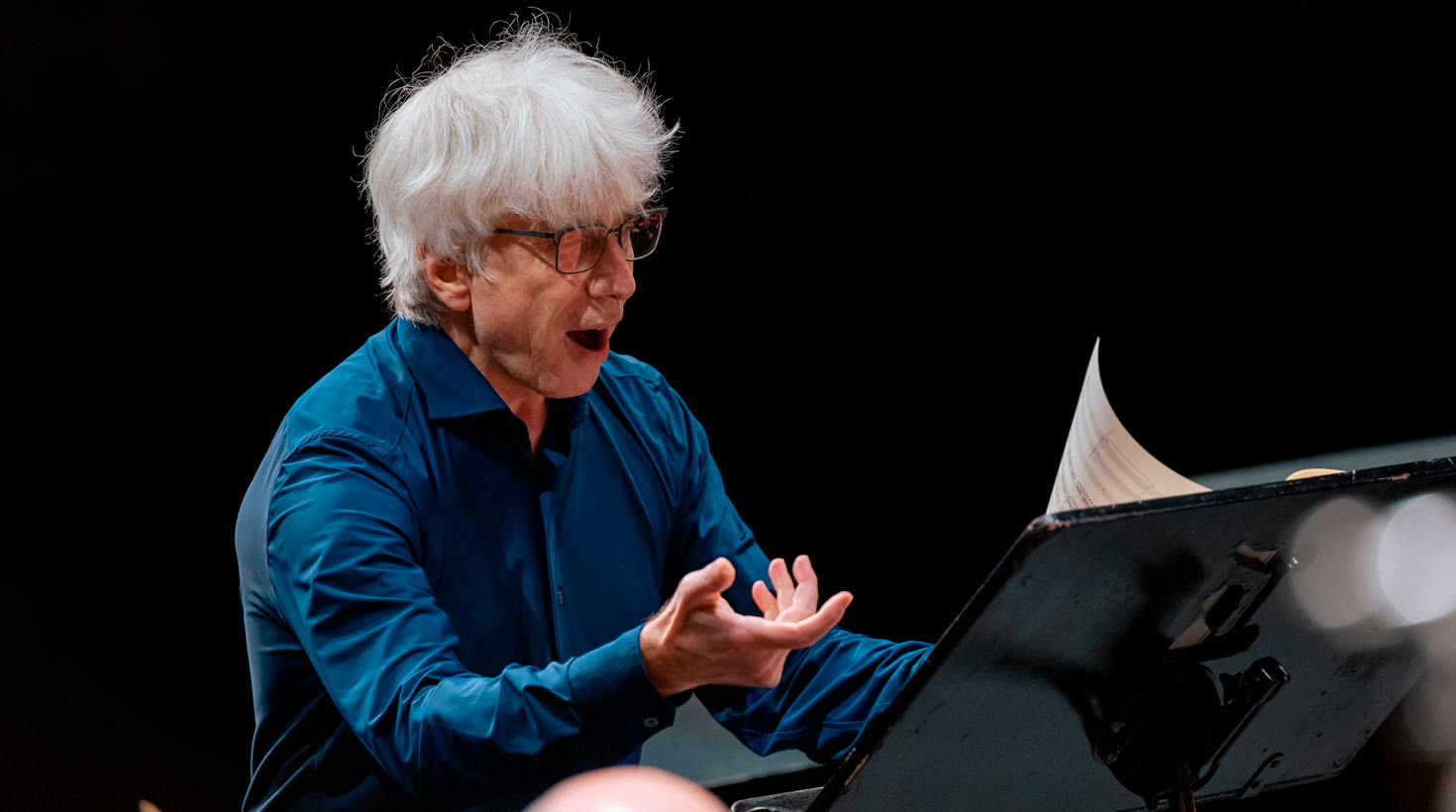
Giovanni Antonini’s direction, a master in the art of making Baroque music breathe with organic energy and rhythmic incandescence, turns this version into a solemn act. With the complicity of Il Giardino Armonico, one of the most dynamic ensembles in the historically informed performance scene, the score recovers its most primordial profile: that Baroque quality which is not empty ornamentation, but vital tension, a telluric force born from the contrast between light and fragility.
Antonini portrays a young Händel, brilliant, but also deeply aware of the fragility of human passions. His vibrant textures, his tempi filled with controlled electricity, reveal an inner world in full ebullition.
Thus, what in the 18th century was a moral meditation becomes today an experience of artistic lucidity: a triumph of time, which erodes vanities; of disillusionment, which reveals the true value of the journey; and, above all, of music, which remains a spiritual compass. An invitation to look at ourselves without a veil, to listen to what remains when beauty fades, and to recognize, in that nakedness, the truth that transforms us.
Oratorio in two parts. Libretto by Cardinal Benedetto Pamphili
- World premiere: June 1707 in Rome
- Premiere at the Gran Teatre del Liceu
With the support of:

Dates and tickets
| Subscription C | Buy tickets for Il trionfo del tempo e del disinganno |
Artistic profile
- Il Giardino Armonico
- Director Giovanni Antonini