
A dramatic oratorio based on Greek mythology
Georg Friedrich Händel (1685 - 1759)
Opening (Agrippina)
Aci, Galatea e Polifemo
Acis, Galatea and Polyphemus (HWV 72) is one of the most outstanding works of Georg Friedrich Händel, composed in 1708. This piece, which can be considered a dramatic oratorio, is based on Greek mythology (compiled in the book Metamorphoses by Ovid) and tells the love story between the shepherd Acis and the nereid Galatea, as well as the jealousy and revenge of the cyclops Polyphemus, a cyclops who, consumed by rage, ends Acis's life. A reflection of extreme human passions, Händel’s music is masterfully used to express love, desire, and tragedy.
The plot centers around three main characters: Acis, a young shepherd who is in love with Galatea, a beautiful sea nymph, and Polyphemus, a cyclops who also falls in love with Galatea and, after being rejected, is consumed by his desire for revenge. In an act of jealousy, Polyphemus kills Acis, but Galatea, in her sorrow, transforms her beloved's body into a clear water spring, thus immortalizing their love forever. This idea of transforming death into life through nature gives the opera a poetic and transcendental quality.
Composed for a smaller production at the English court, the opera follows a structure typical of the Baroque period, with recitatives, arias, and choruses that allow for the expression of a wide range of emotions. Händel uses the music in such a way that it not only accompanies the narrative but also delves into the psychology of the characters, creating moments of great dramatic and emotional intensity.
The death of Acis is one of the most tragic moments in the opera. When Polyphemus, in a fit of rage, kills Acis, the music shifts to a dark and dramatic tonality that accentuates the suffering. However, the climax occurs when Galatea, in her despair, transforms Acis into a clear water spring, an act that represents the permanence of her love beyond death. The music accompanying this transformation is serene and lyrical, providing a sense of peace and eternity.
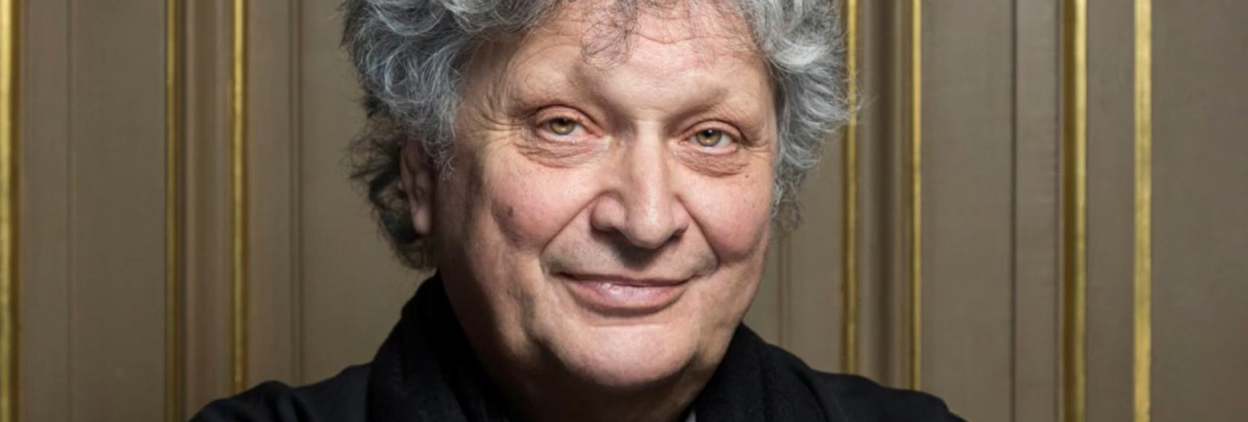
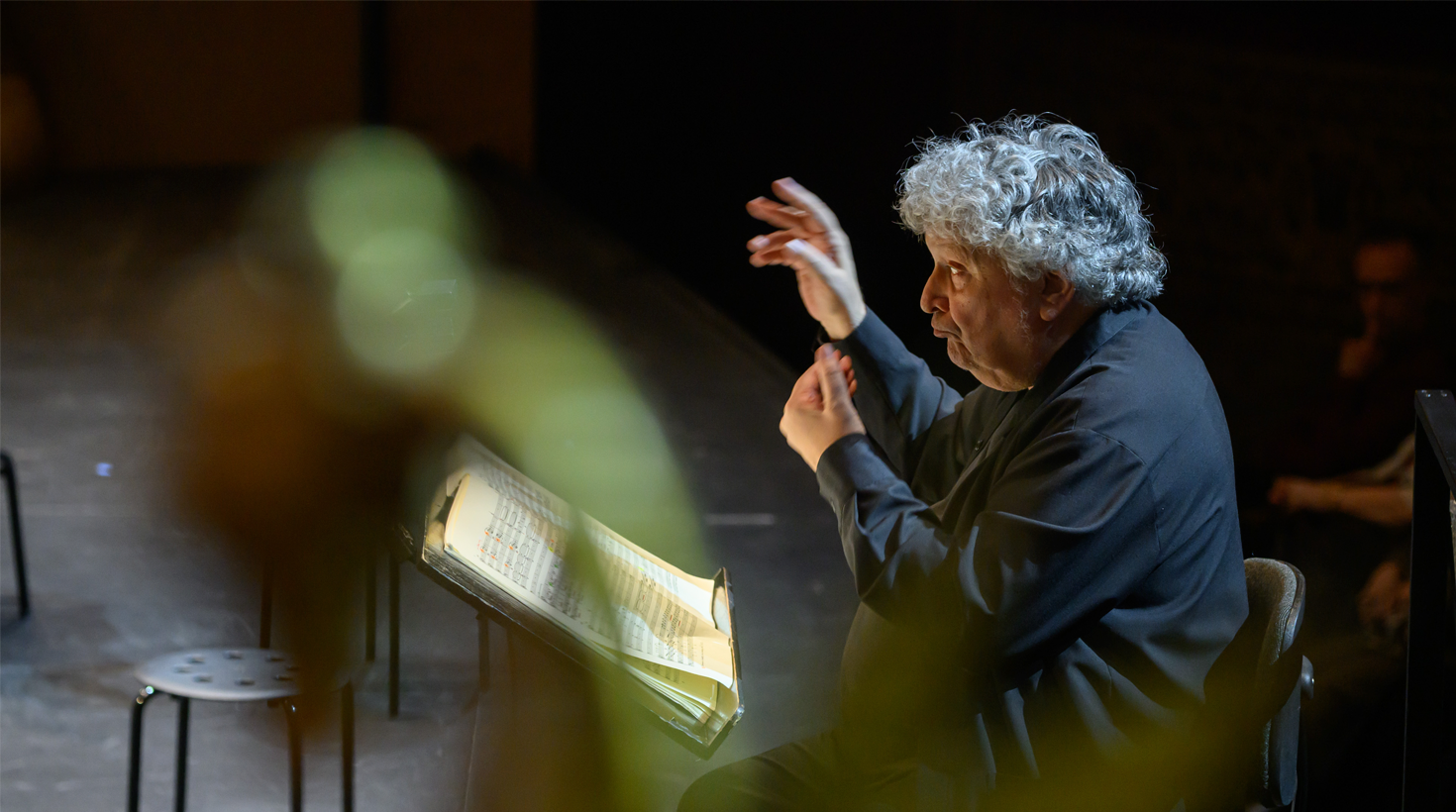
A concert with beauties and beasts in the context of Händel's early journey, when he learned the craft of opera composition in Italy. René Jacobs will guide us through this dramatic cantata/serenata written in 1708, when the German musician presented the work to the Duchess of Laurenzana on the occasion of her niece’s wedding.
Serenade for three voices
Libretto in Italian by Niccolò Giuvo based on Metamorphoses by Ovid
- World premiere: 1708 in Naples
- Premiere at the Gran Teatre del Liceu
With the support of:

|
Dates and tickets
| Subscription A |
Artistic profile
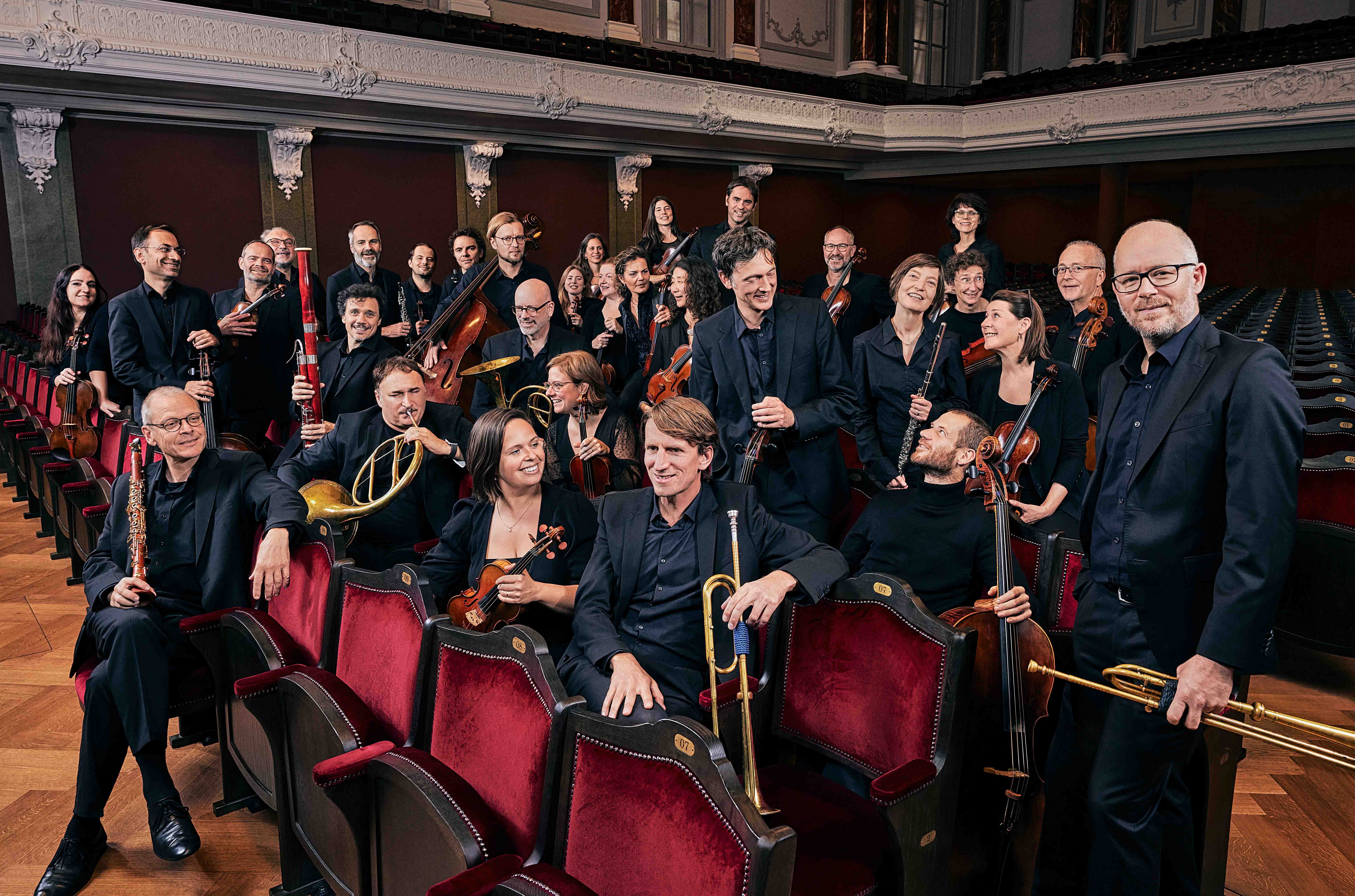
- Kammerorchester Basel
- Director René Jacobs