

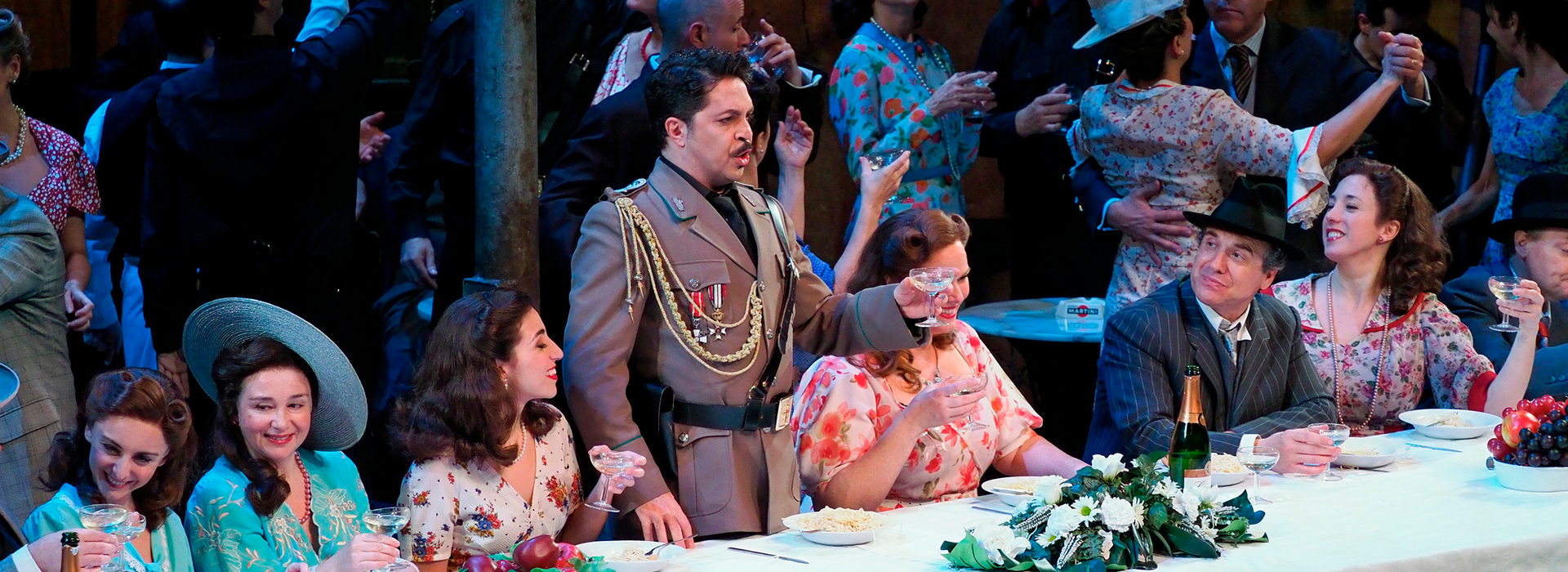
Composed in just six weeks at the beginning of 1832, 'L’elisir d’amore' was created unexpectedly but became one of Donizetti’s greatest successes. With a plot of unrequited love and a comic touch—a lover tricked with a magical elixir—the opera combines memorable melodies, amusing situations, and a deep focus on the characters’ emotions, reflecting the romantic spirit and a formula that still captivates audiences today.




Gaetano Donizetti was an extraordinarily prolific composer. In his list of operas composed over just 25 years of activity—which includes, besides his major successes and now-forgotten works, also conservatory exercises, revisions, and several posthumous or incomplete titles he never premiered in his lifetime—there are nearly 75 creations. However, if there was one particularly hectic year in his professional life, it was 1832, the year of the commission, the rushed composition, and the triumphant premiere of L’elisir d’amore. This was, in fact, an opera Donizetti had not planned to compose (as he already had three commissions in progress), and its story begins with an unexpected and urgent request: Alessandro Lanari, the manager of Milan’s Teatro alla Canobbiana—the second most important theater in the city after La Scala—urgently needed an opera to open his spring season, after another composer—the famous Pacini—decided to abandon the project he had promised. There was very little time, and Donizetti, renowned for working quickly and meeting deadlines, accepted the task, leveraging the momentum from the opera he had just completed, Il furioso all’isola di Santo Domingo, in which he had worked with the librettist Felice Romani.
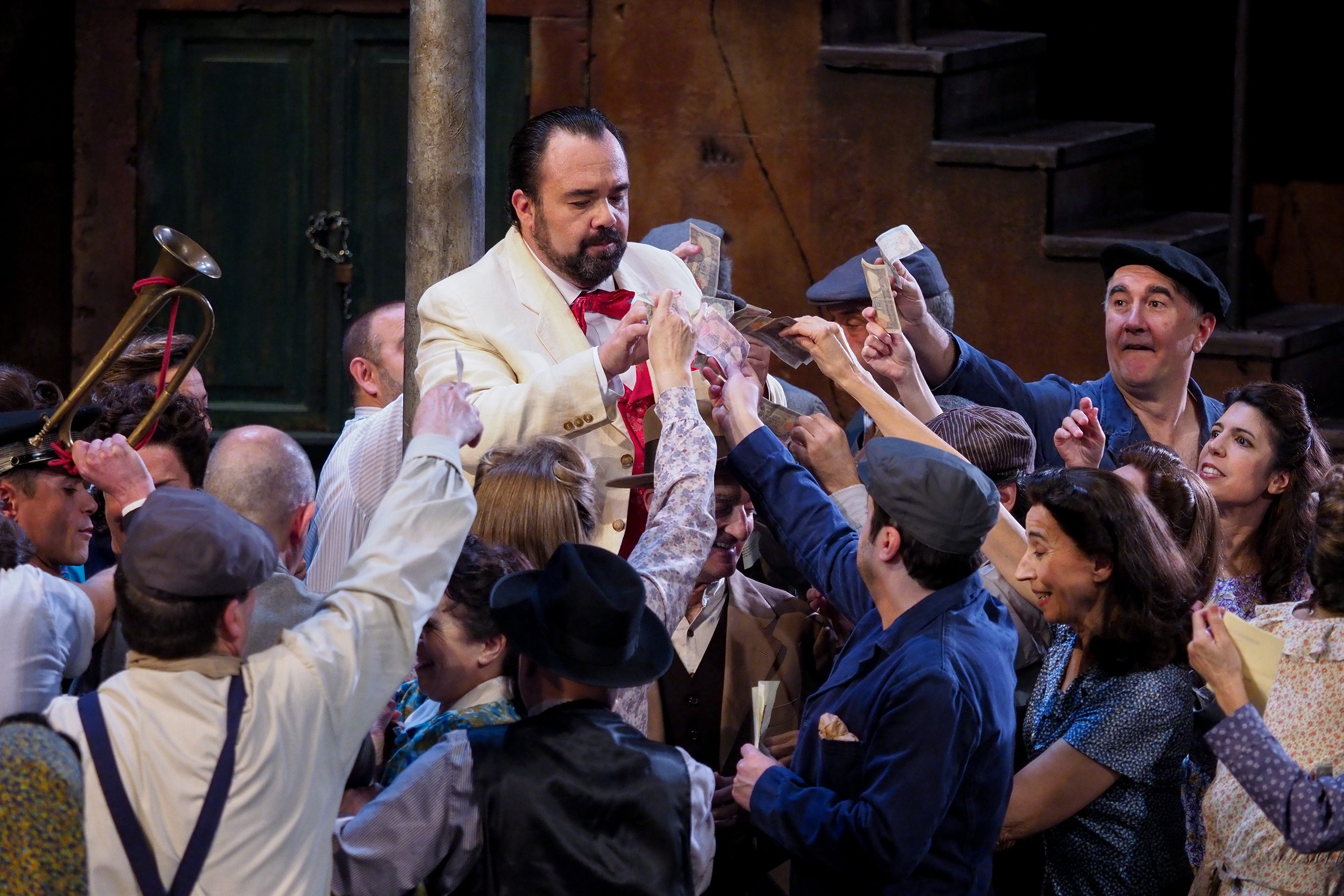
Romani was, in those days, a star of operatic literature, and he agreed to keep up with the hellish pace demanded by Donizetti. Under these circumstances, everything could have gone wrong, but miraculously the result was a masterpiece, one of the last great comic titles of Italian bel canto in the first third of the 19th century. In fact, L’elisir is considered among the last great successes—alongside another later work by Donizetti, Don Pasquale—of opera buffa, a genre that had experienced its heyday at the end of the 18th century and had reached its apotheosis with Rossini. Together, they decided to tackle a story that had been well received a few years earlier in France, the opera Le philtre by Daniel Auber, with a libretto by Eugène Scribe, which in turn had been adapted from an 18th-century Italian story.
«L’elisir d’amore is a bridge between late 18th-century opera buffa and Romanticism, combining humor with an interest in the characters’ emotions.»
The story is about Nemorino, a naive and kind-hearted peasant who is in love with Adina. But Adina does not return his feelings. When a swindler named Dulcamara—who pretends to be a doctor and sells “magical” remedies—arrives in the village, Nemorino asks him if he has Queen Isolda’s love potion, which he has heard Adina likes from a story. This potion, supposedly, will make anyone fall in love with him. Dulcamara sells him cheap wine, convincing him it will have a magical effect. At first, Nemorino has doubts because Adina agrees to marry Sergeant Belcore. But when a wealthy uncle of his dies and leaves him a fabulous inheritance—without him knowing it—all the girls in the village want to marry him. Finally, Adina acknowledges her love, and the couple has a happy ending. It is a simple plot, full of misunderstandings and tried-and-true formulas to provoke laughter, but it also has an idealistic angle—ultimately very Romantic—that attracted audiences and gave the opera a sense of modernity.
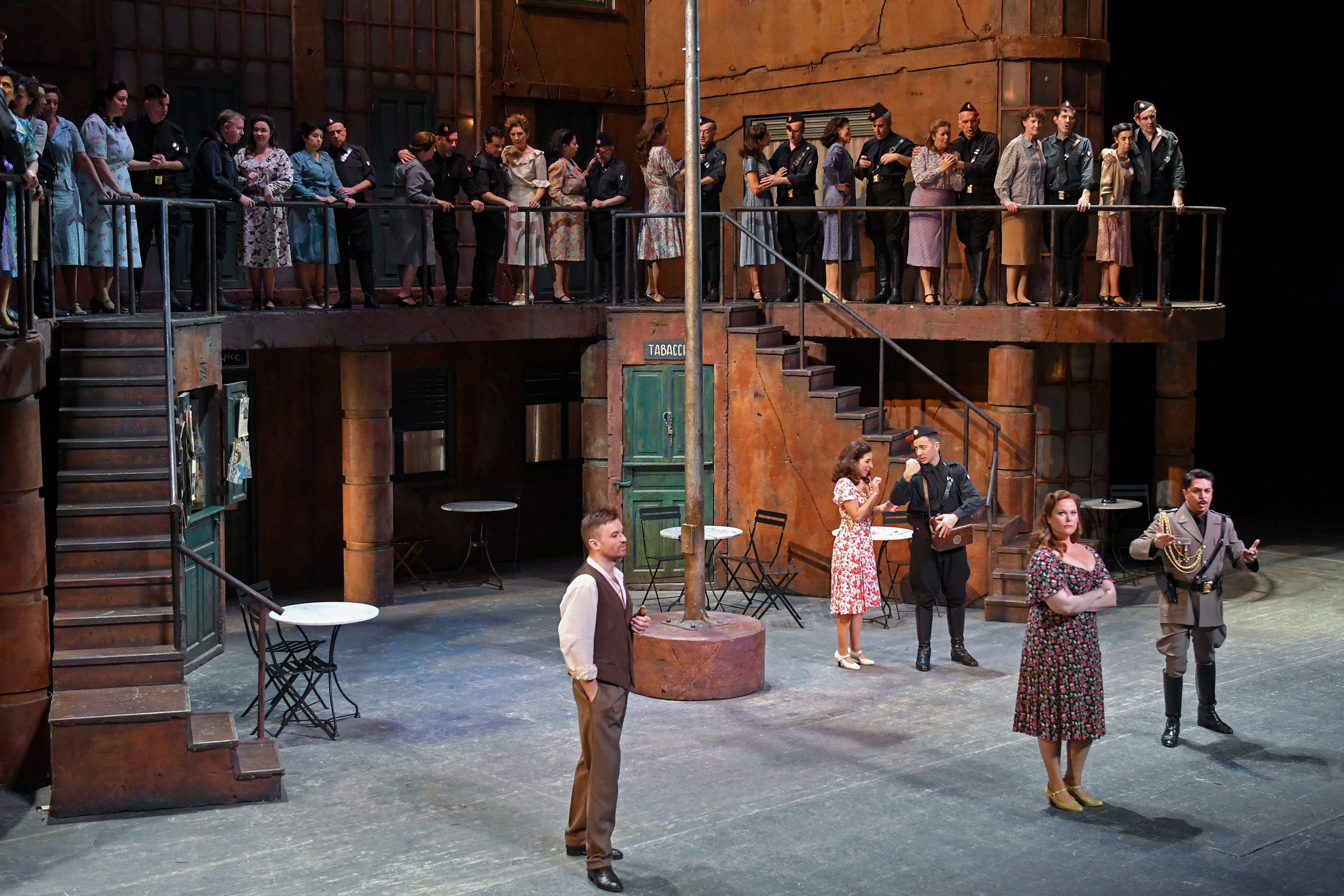
This is, therefore, the not-so-secret—but hard to achieve—formula of L’elisir: well-defined characters, a narrative progression that is slightly absurd yet logical within the framework of comedy, and, of course, one of Donizetti’s finest compositional efforts, as he had the skill to create some of the most memorable melodies of his career. And all of this was composed in a rush, over a dizzying six weeks, resulting in a comic opera that always works and has become immortal.