

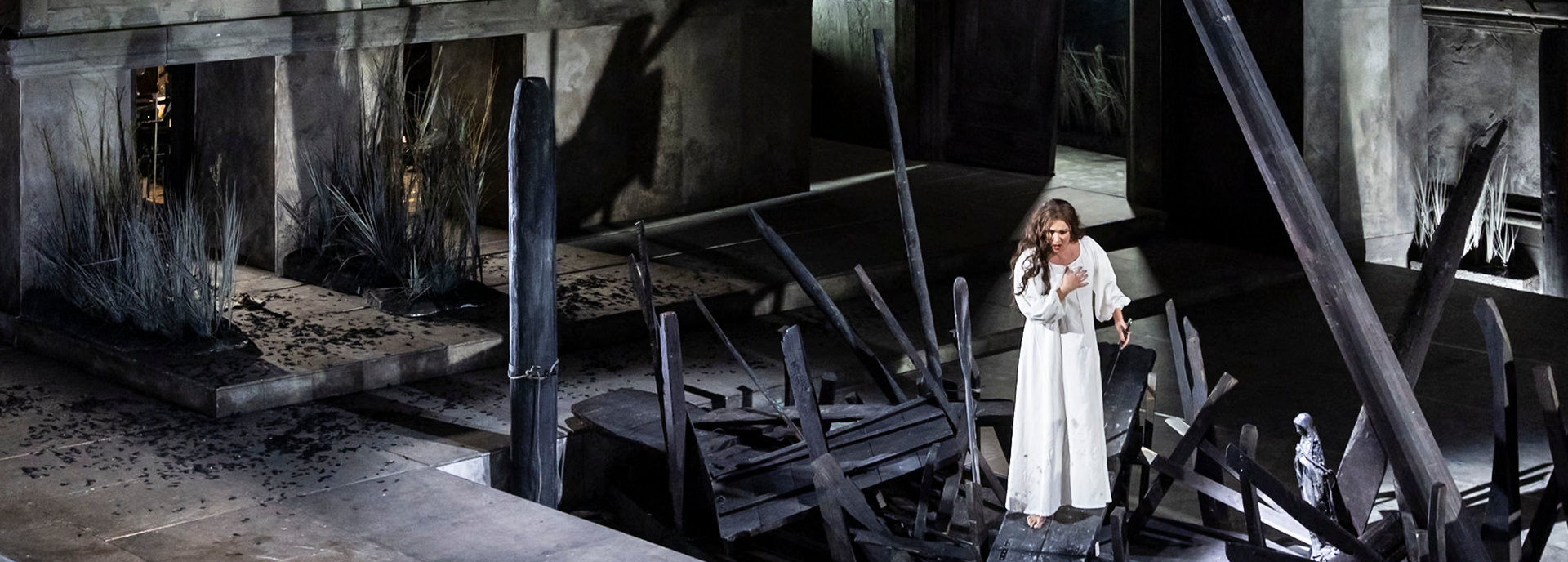
Loosely based on a drama by Victor Hugo, it tells a terrible story of revenge: Barnaba, a Venetian Inquisition spy in love with la Gioconda, schemes to satisfy his lust and thirst for vengeance. Written for a massive orchestra and chorus and six principal voices across all ranges, it is a monumental work that elevates the virtues of the finest Romantic opera.




La Gioconda is a strange and fascinating island in the vast sea of Italian opera. Premiered in 1876 to great success, but with minor imperfections that Amilcare Ponchielli refined in the definitive 1880 version, it is practically the only Italian repertoire work created between the premiere of Don Pasquale (Donizetti, 1843) and Cavalleria rusticana (Mascagni, 1890) that does not bear Verdi’s signature. We say “practically” because Mefistofele (1868) by Arrigo Boito is also occasionally revived, but in any case, this immense solitude of La Gioconda explains a lot. Above all, it highlights the absolute importance Verdi had in the opera of his time and how difficult it was to find a successor to his genius, who would not appear until Puccini. Thus, the fact that Ponchielli’s work has carved out its own space in such a vast abyss speaks volumes about its quality and lasting relevance.
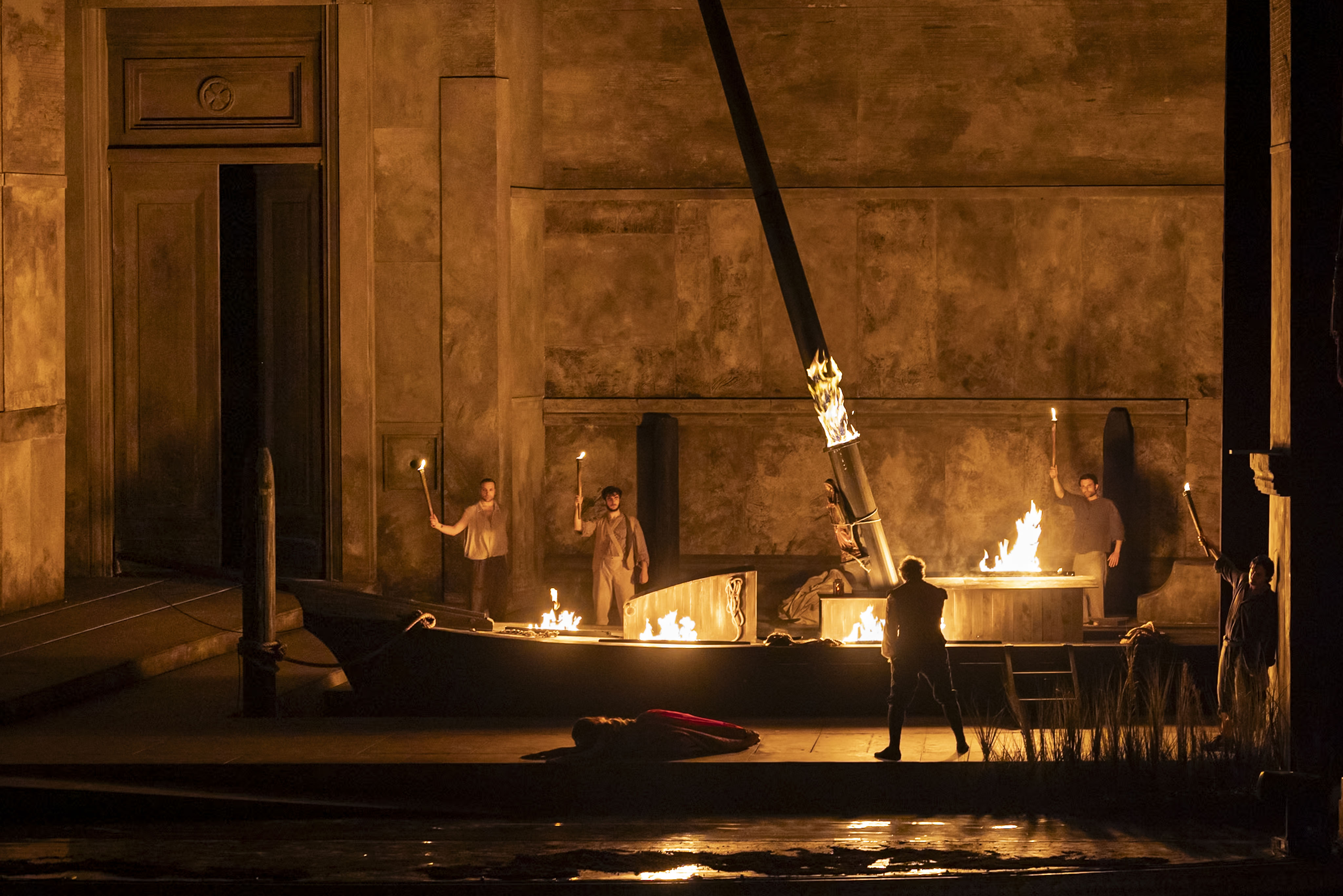
La Gioconda is an opera that connects different historical traditions of the 19th century. It is a genuinely Romantic drama –rich in overwhelming passions: hatred, jealousy, amorous fury, compassion– yet it also maintains strong links with a distinguished past and a future that, although it would take a few years to arrive, this work was already able to anticipate. When Verdi decided to stop composing operas in 1871, after the premiere of Aida, the Italian scene plunged into a massive crisis. And faced with the void left by the maestro, composers began seeking inspiration in foreign trends, especially in the tradition of French grand opéra and the new language proposed by Wagner. La Gioconda has practically no Wagnerian traits, but it did seek –and achieve– a synthesis between French-style monumentality, the beautiful lyricism of the Italian school, and the literary depth of Verdi’s dramas. Here the librettist, whom we have already mentioned, Arrigo Boito, plays a fundamental role.
“Halfway between French grand opéra, Romantic drama in the style of Verdi, and future verismo, La Gioconda is a unique island in the rich sea of Italian opera.”
Boito was a provocateur of Italian cultural life in the last third of the 19th century, an aspiring total artist who saw himself capable of creating both the music and poetry of his operas. His Mefistofele was an imperfect and controversial work, but the publisher Giulio Ricordi saw in him, above all, great potential as a librettist. When Verdi left the stage, he persuaded Boito to write librettos for the Italian dramas of the future, including La Gioconda, a free adaptation of a drama by Victor Hugo: Angélo, tyran de Padoue. Ricordi believed the score should be composed by a more experienced author –in protest for not having received the music commission, Boito decided to sign the libretto under a pseudonym, using the anagram Tobia Gorrio–, and the combination of Ponchielli’s traditionalism and Boito’s avant-gardism ultimately crystallized into a great work that, in many passages, also anticipated the emergence of the verismo style.
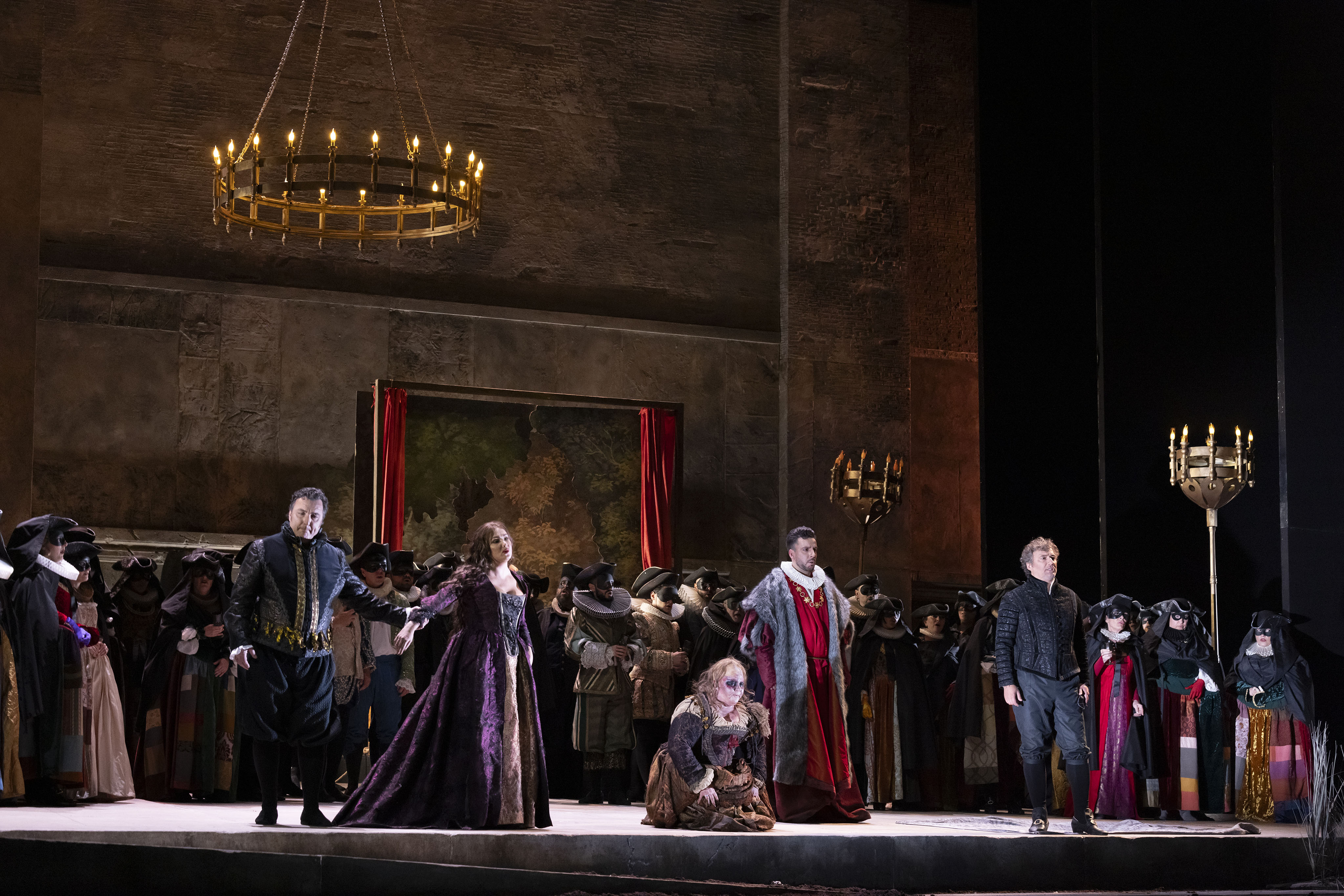
The opera tells a dark story of revenge: that of Barnaba, a spy in the service of the Venetian Inquisition in the 17th century, against la Gioconda, a street singer he loves but who does not return his feelings. la Gioconda is responsible for her mother, the Cieca, now elderly, and Barnaba’s first maneuver is to convince the people of Venice that this woman is a witch who must die at the stake. A miraculous appearance –Laura, the wife of the inquisitor Alvise– will save the Cieca from death, but at the same time will bring about the meeting between Laura and her youthful love, Enzo, who is La Gioconda’s current fiancé. Enzo must choose between two passions and ultimately chooses Laura, leaving La Gioconda in a precarious position that, in the end, leads to her death when Barnaba exploits her weaknesses to humiliate her. The plot is highly intricate and romantic, yet it is accompanied by sublime music, balancing tempestuous orchestral passages with the most beautiful lyricism, and it has continued to captivate audiences for 150 years.