

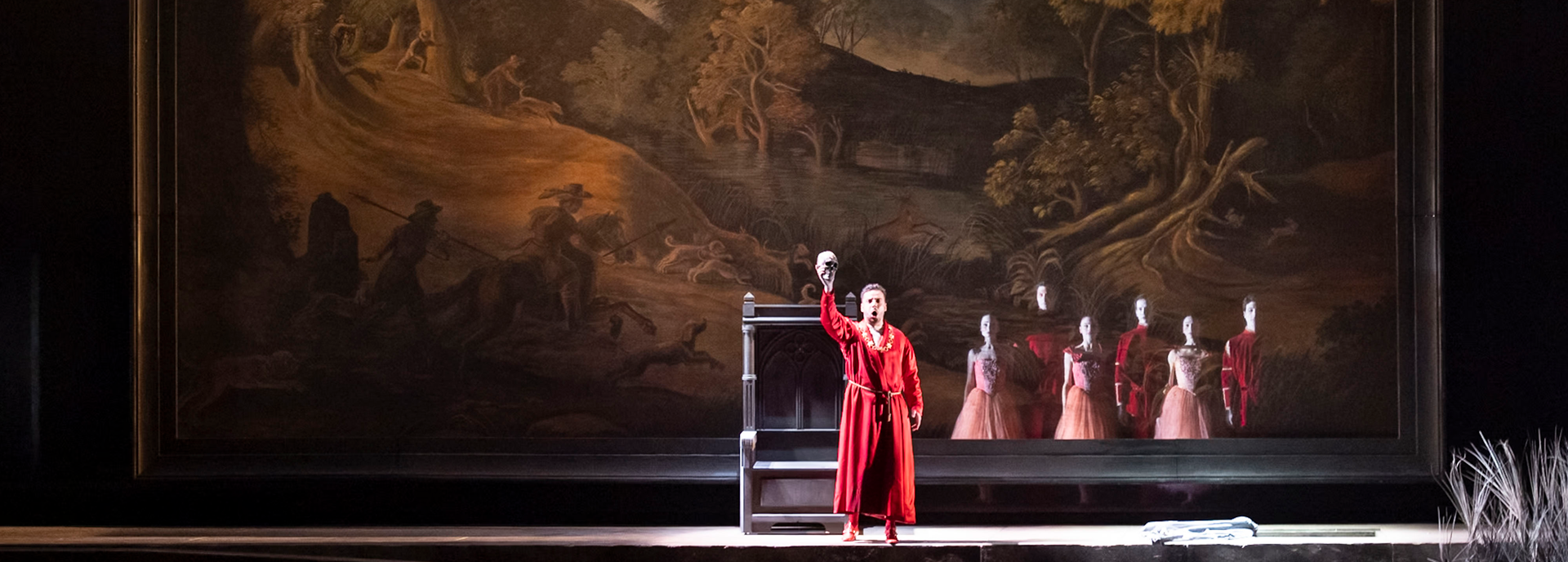
'La Gioconda' returns to the Liceu with a monumental production combining drama, extreme passions, and sublime music. Featuring an exceptional cast including Saioa Hernández, Ekaterina Semenchuk, Michael Fabiano, and Àngel Òdena, this Italian Romantic opera unites the grandeur of Ponchielli with the avant-garde of Boito, offering a lyrical and stage experience that stands out for its intensity, lyricism, and vocal virtuosity.




Act I, Barnaba
“O monumento!”
Lyrically speaking, this intervention by Barnaba is not the most prominent of the first act. Voce di donna, by the Cieca, sounds far more emotive, and Celo e mar!, sung by Enzo in the following act, is much more passionate. But this aria has something important: it is a perfect psychological construction of Barnaba as a ruthless villain, a depiction of absolute evil that sends shivers and not only anticipates the opera’s terrible ending but also another similar literary creation by the librettist Arrigo Boito: the character of Iago in the exceptional Otello (1887) by Giuseppe Verdi.
Act III, ballet
“Dansa de les hores”
One of the unavoidable influences in the creation of La Gioconda was French grand opéra, a genre that by the 1870s was past its prime but still commercially dominated theaters across Europe. One of the conventions of grand opéra was the inclusion of a ballet –always in the second or third act–, and Ponchielli had the great insight of crafting the enchanting melodies of the “Dance of the Hours”, a number that strikes a fine balance between Romantic passion and the graceful rhythms of 18th-century courtiers, such as the gavotte and the minuet.
Act IV, la Gioconda
“Suicidio!”
La Gioconda feels she has lost everything. Her mother is held hostage by Barnaba, and her lover, Enzo, is imprisoned –and if he escapes, he will flee with Laura, his youthful love–, and faced with the accumulation of so many misfortunes and the impossibility of imagining a positive solution, she contemplates death. This aria is the central piece of the opera, the dramatic soprano’s climactic moment, where she must display all her strength, overwhelming passion, and the capacity to make horrific decisions. If Barnaba’s first aria recalls Otello, “Suicidio!” also foreshadows another future landmark: Tosca.
On stage
In 150 years of history, La Gioconda has never lost public favor. This does not mean it is immune to criticism: historically, it has been reproached for having a very convoluted plot and showing exaggerated passions, which were somewhat out of step with the time it was created, when Romantic fever was fading and the genre was moving toward a more realistic approach. But there is one aspect in which Ponchielli’s score is exemplary: it is written for six major voices (one for each tessitura: bass, baritone, tenor, contralto, mezzo, and soprano), for singers with refined technique and remarkable physical endurance, capable also of integrating a highly developed acting range. In this regard, the opera is closer to the Italian generation emerging from the 1890s –the lead role is written for the same type of dramatic sopranos who sing Tosca or Turandot– than to the early 19th-century bel canto tradition. This also explains La Gioconda’s strong reputation as a work bridging the past and future of Italian opera, uniting the best of Verdi with the best of Puccini –and even the finest of Romantic Wagner–, and serving as a showcase for singers at the peak of their maturity.
| 
|
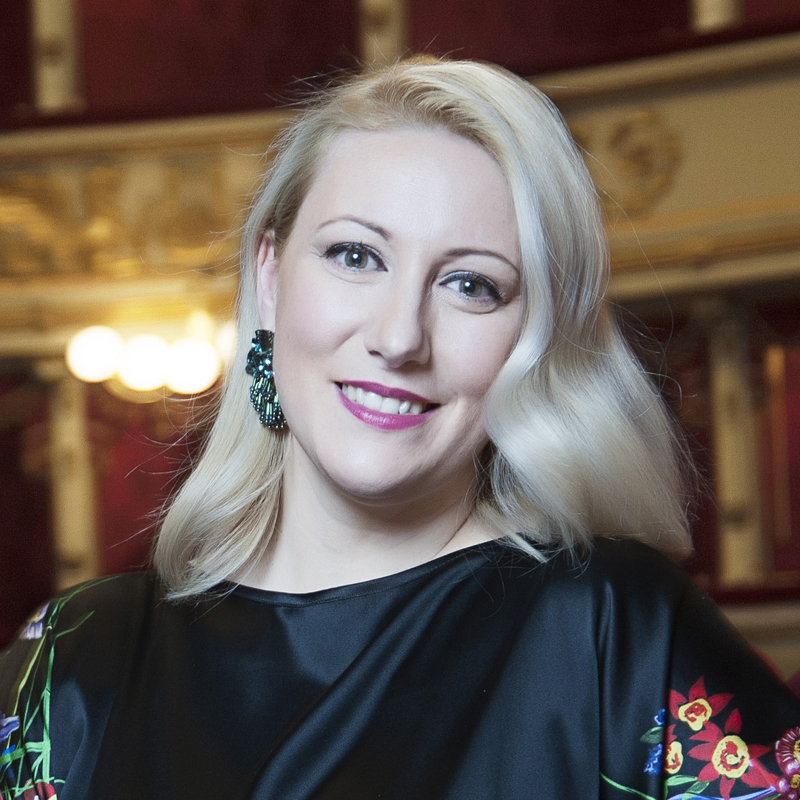
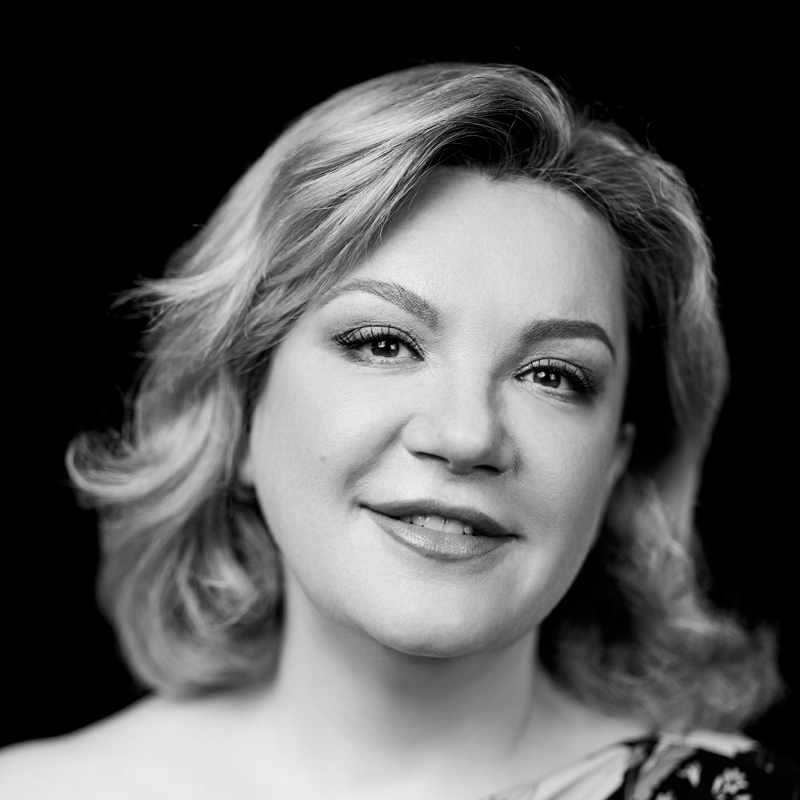
All of this also means that the success of a performance of La Gioconda largely depends on having a cast capable of taking on a truly demanding challenge, because it is not enough to sing delicately; one must also perform with highly refined acting skills and a volume strong enough to prevail over the orchestra, which reaches titanic proportions in this opera. In the leading role, written for a dramatic soprano, we have two extraordinary artists well known to Liceu audiences: Saioa Hernández and Ekaterina Semenchuk. For Hernández, these performances will likely be very special, as her debut in Barcelona was precisely with La Gioconda during the 2018-2019 season. Those who attended those performances will also be able to witness how the profile of the Madrid-born artist has grown, now one of the most important dramatic divas of her generation. Semenchuk, for her part, returns to the Liceu after performances of Macbeth and Turandot in previous seasons.
| 
|
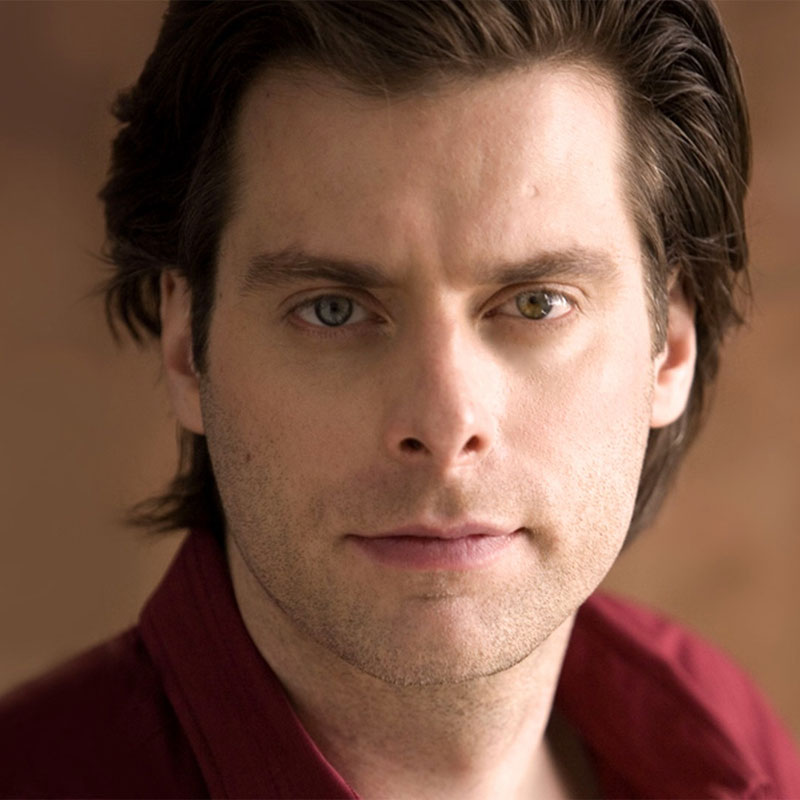
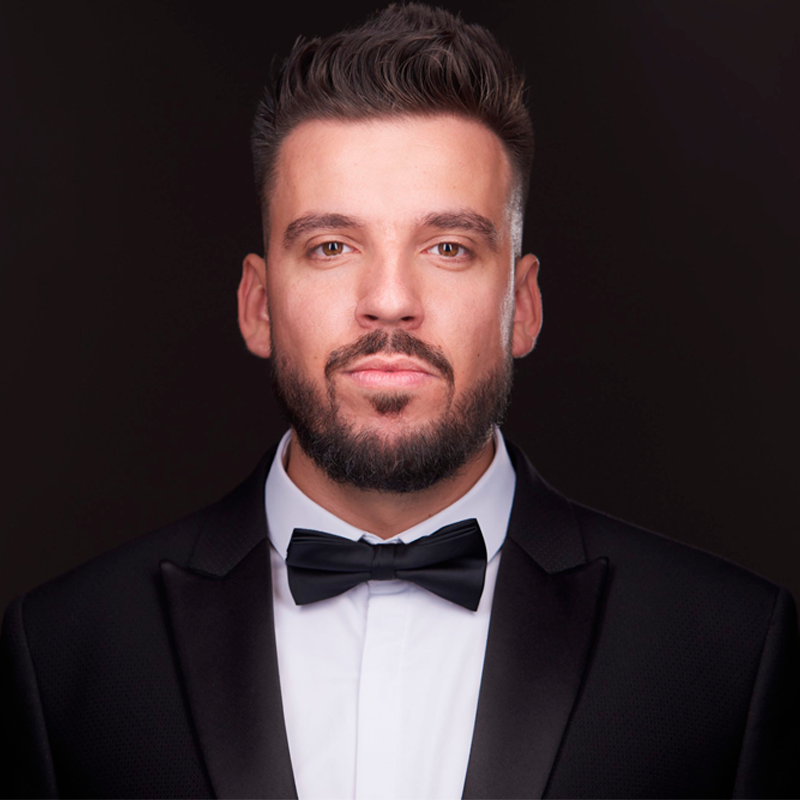
Each leading role in La Gioconda has, in this production, two assigned singers. The antagonist, the villainous Barnaba, written for baritone, is shared by the Tarragonese Àngel Òdena and the Italian Gabriele Viviani, while the other central male role, Enzo Grimaldi, is performed by two extraordinary spinto tenors: the American Michael Fabiano, already a regular on the Liceu stage, and the German-Brazilian Martin Muehle. The role of Laura Adorno is sung by two mezzosopranos who consistently deliver outstanding performances: the Russian Ksenia Dudnikova, making her Liceu debut, and the Armenian Varduhi Abrahamyan. The Venetian inquisitor, Alvise Badoero, a role for low voice, is performed by the basses John Relyea and Alexander Köpeczi, while the role of the Cieca, for contralto, is entrusted to a legend, the Lithuanian Violeta Urmana, and a rising talent, the Hungarian Anna Kissjudit. All performances are conducted by Maestro Daniel Oren, who must ensure that the chorus, orchestra, and solo voices perform at the highest level so that the grandeur and lyricism of this opera blend perfectly.