

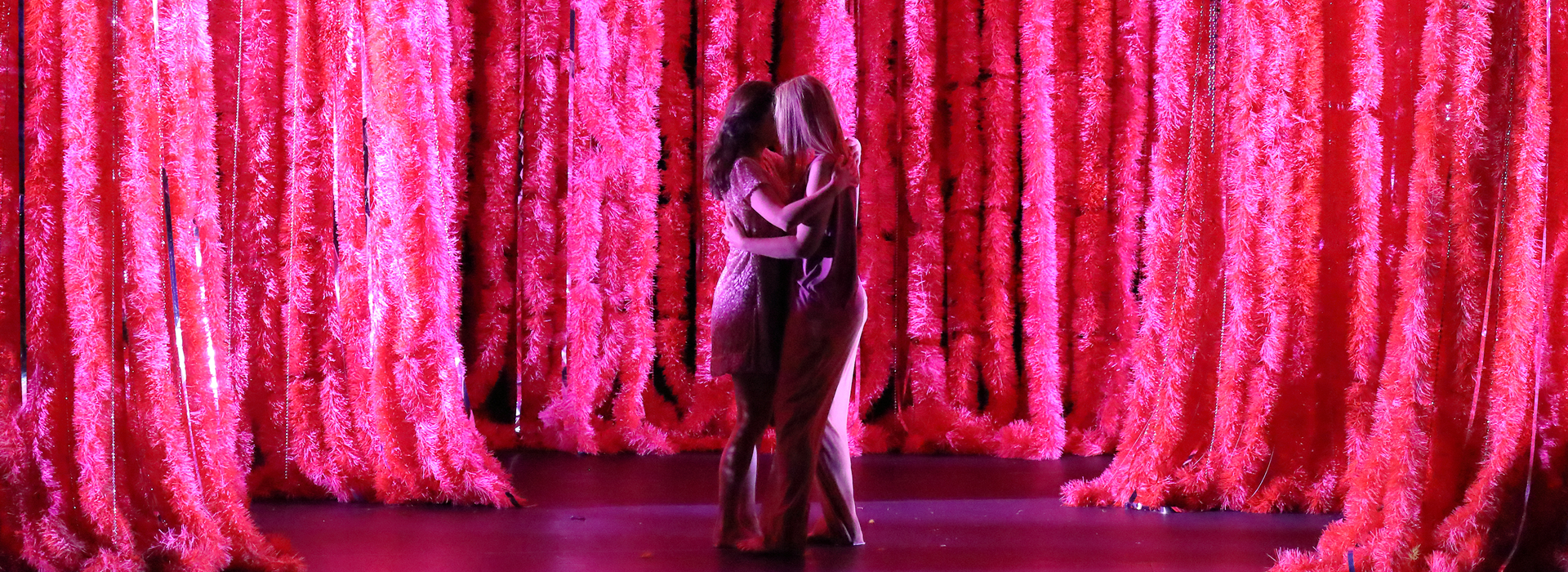
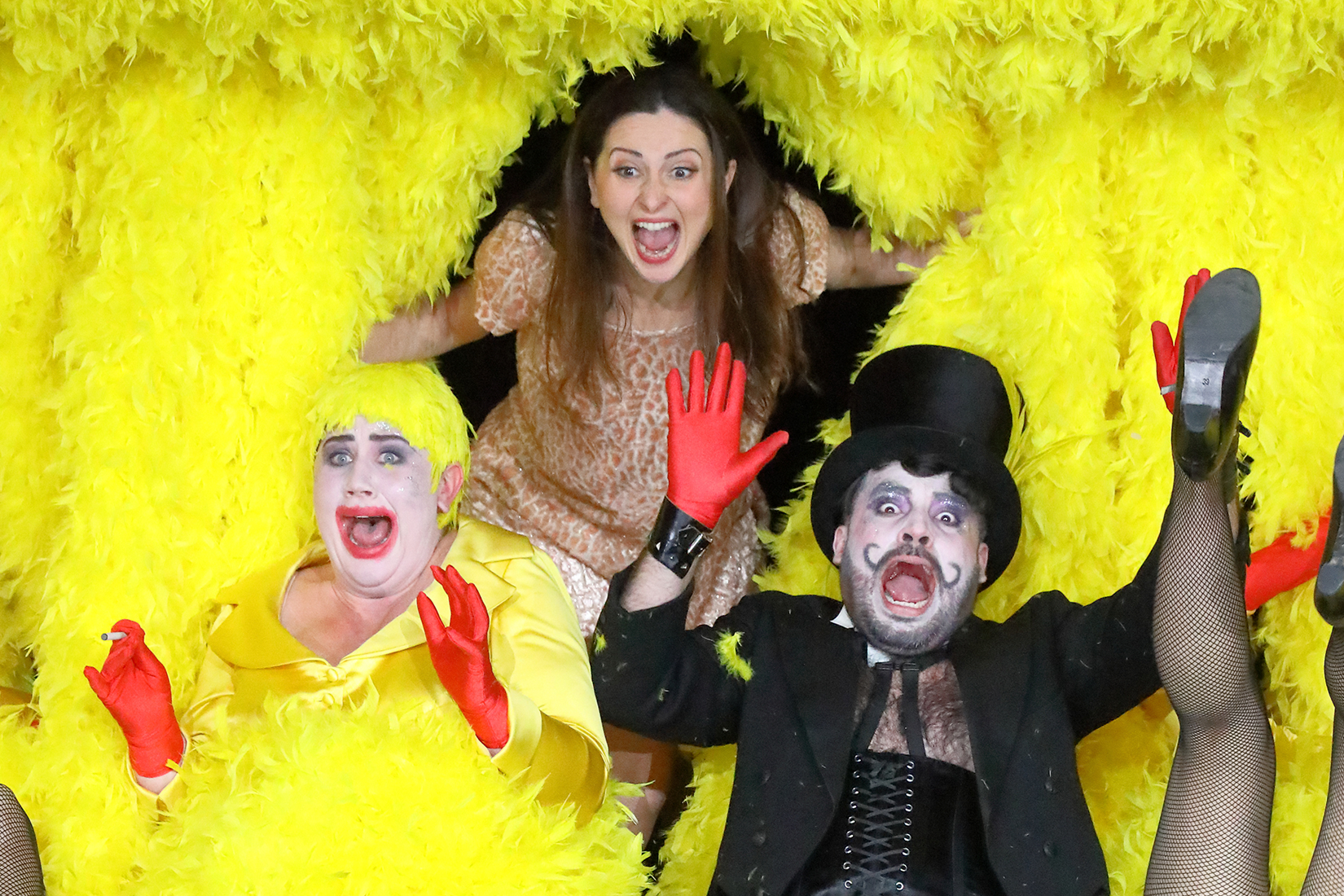
Although he is famous for his comic approach to opera, Barrie Kosky minimizes the playful aspects in this production, which are present only where indicated by the libretto. The German stage director’s proposal is based on Janáček’s central idea — the reflection on the cycle of life — and therefore establishes clear moral and aesthetic differences between humans and animals through the choice of costumes. The set design is defined by the use of chiaroscuro, with a luminous curtain that helps to delimit spaces and create a staging that is as intelligent as it is spectacular.




Between April 7 and June 23, 1920, the newspaper Lidové Noviny, which continues to be published in Prague today, released a serialized story with a comic tone, written by the poet Rudolf Tesnohlídek and accompanied by illustrations by Stanislav Lolek, featuring a clever little fox as the protagonist. That charming tale became a small sensation within Czech society, appealing both to children and adult audiences, and caught the attention of the composer Leoš Janáček, who was about to turn 70 at that time and was therefore elderly. However, despite his advanced age, Janáček was immersed in a surprising period of creative fertility. He was born in 1854 and trained in the Czech nationalist school of composition—following in the footsteps of his teachers Smetana and Dvořák—and he devoted his early years to areas such as musicology, teaching, and chamber music, only occasionally tackling large-scale works: if his output had stopped at the turn of the century, Janáček would today be a virtually unknown composer, confined to the minor history of Czech nationalism.
But approaching 50 years old, a series of horrible circumstances —including the death of his daughter Olga in 1903— led him to follow the path of great early 20th-century music. Although he had already premiered some operas earlier, in 1904 he completed Jenůfa, his first masterpiece, a realistic drama about a young woman deeply mistreated by society, whose son is murdered. Later, he would consolidate this style with another opera of similar style and even greater success, Kát’a Kabanová (1921), the culminating moment of a period in his life, between 1916 and 1921, when Janáček finally achieved success —the writer Max Brod, a close friend of Franz Kafka, helped him premiere Jenůfa in Prague— but also infidelity —he had an affair with the singer Gabriela Horváthová, and his legitimate wife, Zdenka, attempted suicide— and twilight love —by starting a platonic and epistolary relationship with the young Kamila Stösslová.
“Written at the end of his career, Janáček used this opera to reflect on his own life and impending death, without pathos and with utmost serenity”
It is no coincidence that the work on The Cunning Little Vixen coincided with a moment when Janáček already saw death approaching and desperately wanted to cling to life. The original story was a charming collection of the clever little fox’s mischiefs, but Janáček perceived a nuance: it also dealt with the relationship between humans and animals, and the protagonist’s inevitable fate —naturally, death— he did not view as something pathetic, but as a necessary rite of passage in the eternal cycle of destruction and rebirth that characterizes the natural world. Based on this idea, Janáček met with Tesnohlídek to ask for permission to adapt the story and, after obtaining it, decided to write the libretto himself.
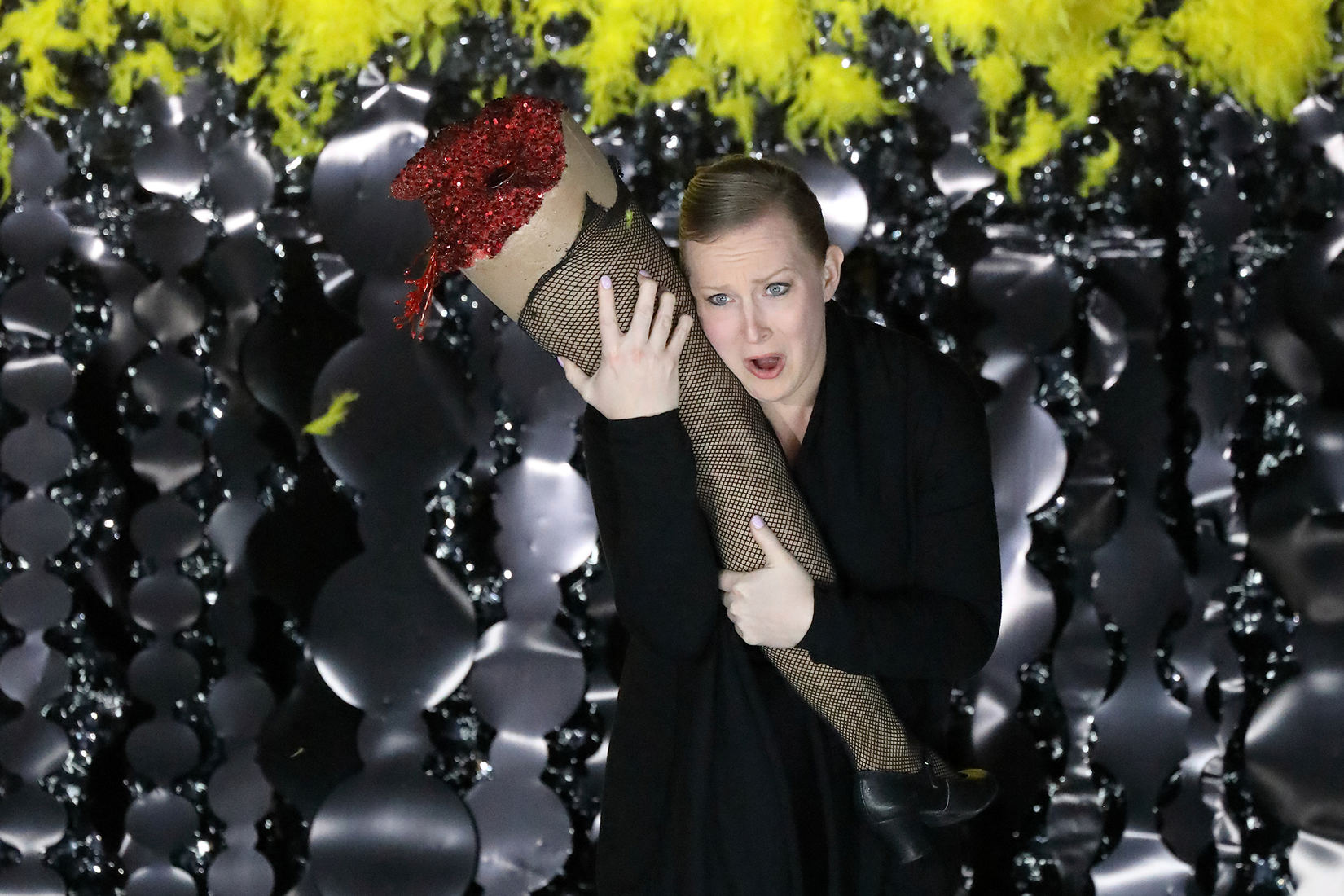
The opera does not lose the light tone of the story —there are tender and humorous moments— but the main focus lies in the realistic portrayal of nature and its processes. Each act covers a period in the life of the protagonist, the fox Bystrouška: in the first, we see her as a pup and how she spends her youth captive, after being caught by the Gamekeeper; once freed from captivity, in the second act we follow her in maturity, from tricking a badger to take over its den to falling in love with a golden-furred fox; finally, the third act is about death —Harašta, the poacher, coldly kills her with a shot— and rebirth, since Bystrouška has had pups and the story will begin again. In short, it is an opera to laugh and cry, to feel moved and compassionate, articulated through a musical language of great beauty that blends 19th-century romanticism with 20th-century modernism.