

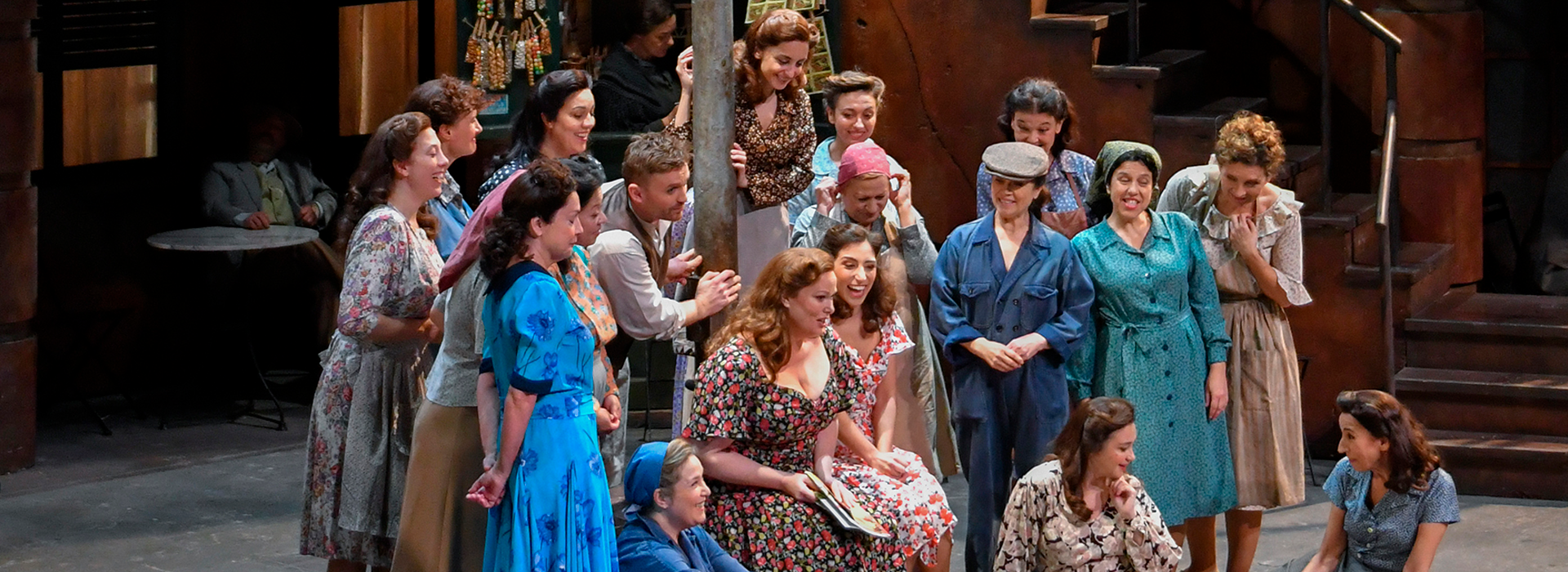
Composed in six frantic weeks in 1832, 'L’elisir d’amore' is the opera Donizetti had not planned to write, yet it became one of his most enduring successes. Centered on unrequited love and a comic twist —the lover deceived with a magic elixir— it combines memorable melodies, amusing situations, and a romantic sensibility that make it a timeless masterpiece.




Act I. Adina
"Della crudele Isotta"
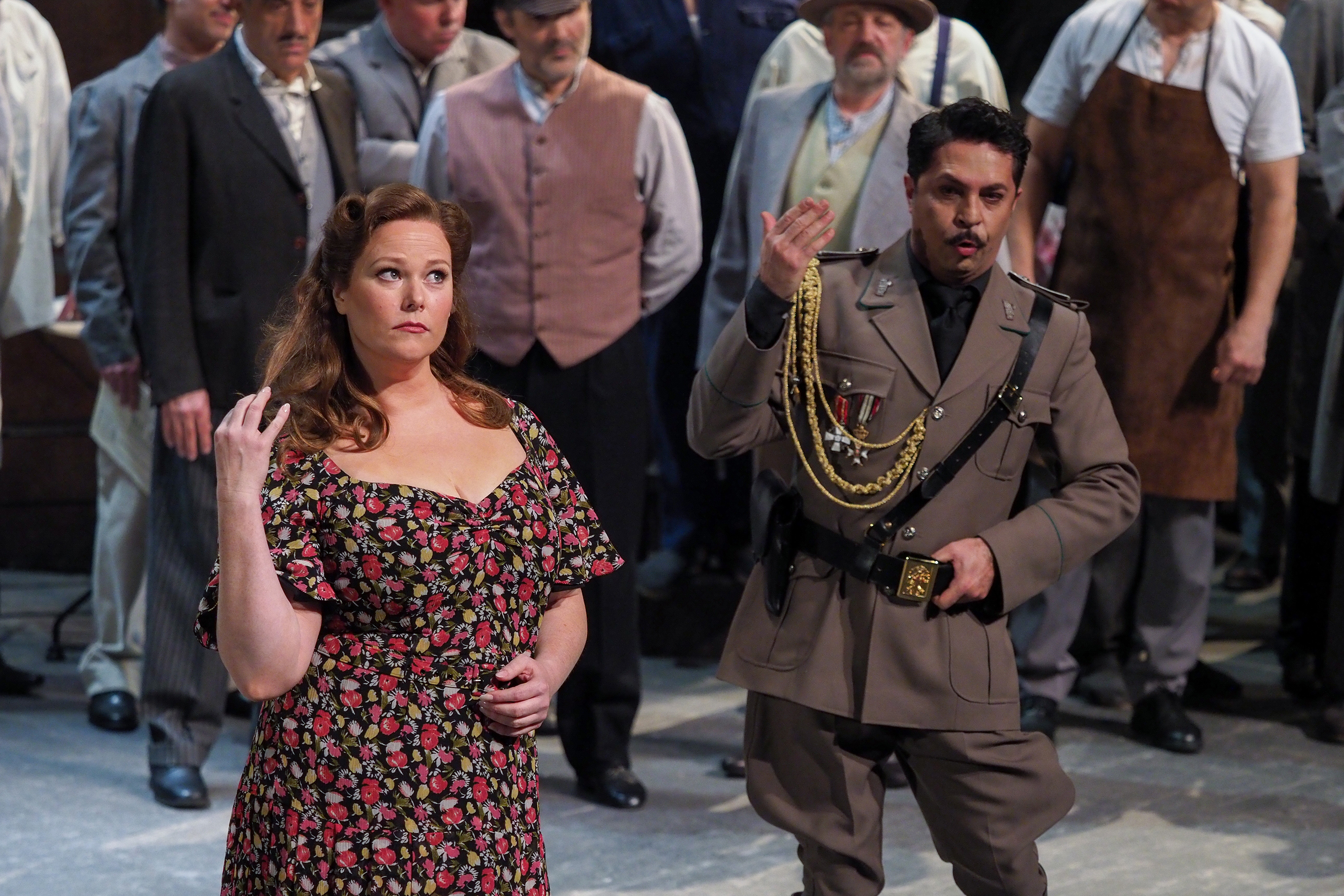
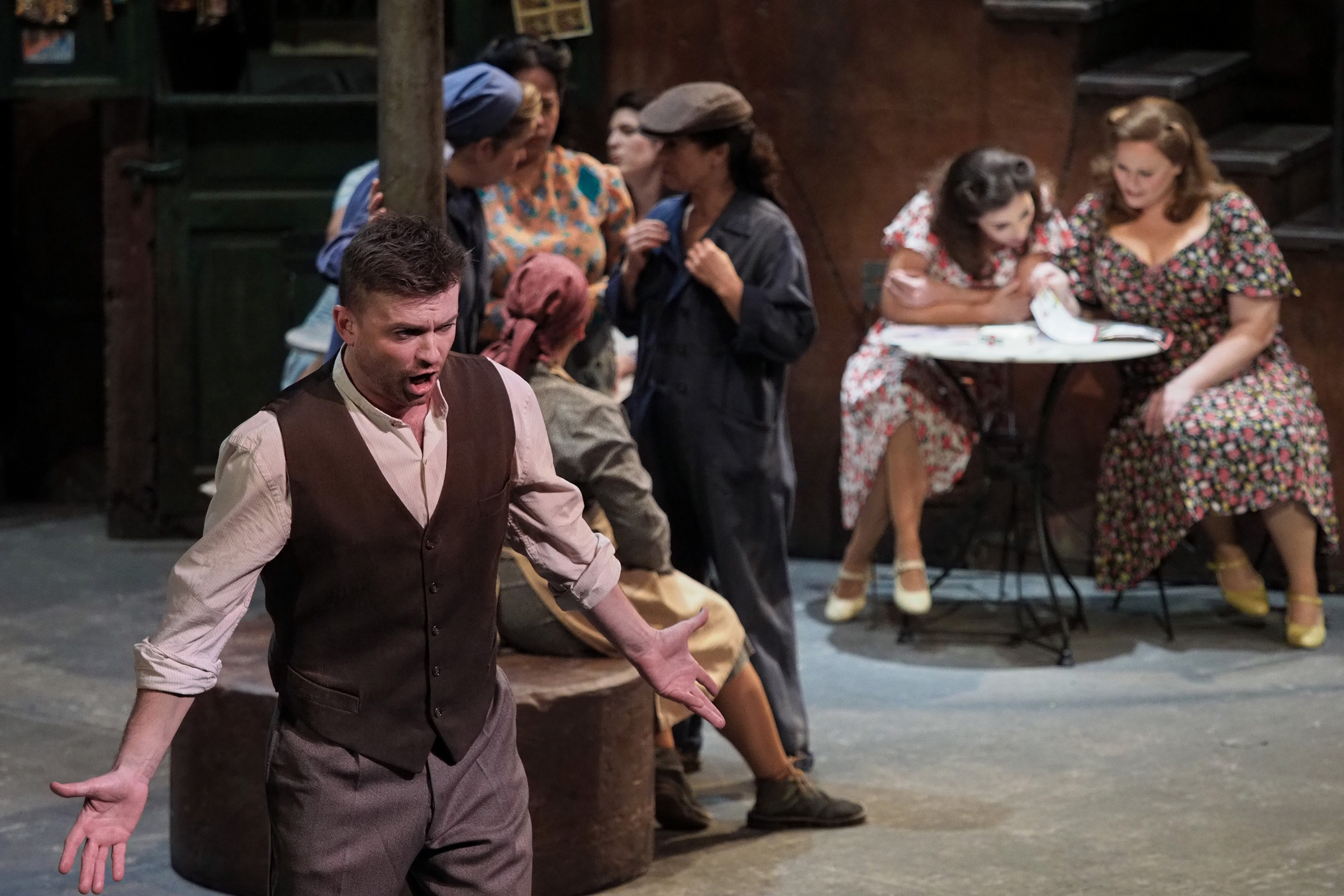
The beginning of the opera features several important individual numbers. Nemorino, for instance, sings his first aria, "Quanto è bella, quanto è cara", in the opening scene to express his absolute love for Adina. But she pays him no attention and responds with indifference in her first aria, also of remarkable agility and melodic charm, which reveals her idealistic character. She aspires to the absolute love of Queen Isolde, and is not moved in the least by the whim of an inexperienced, poor young man. This opening perfectly depicts the two protagonists, and does so with top-level bel canto.
Act I. Dulcamara
"Udite, udite, o rustici!"
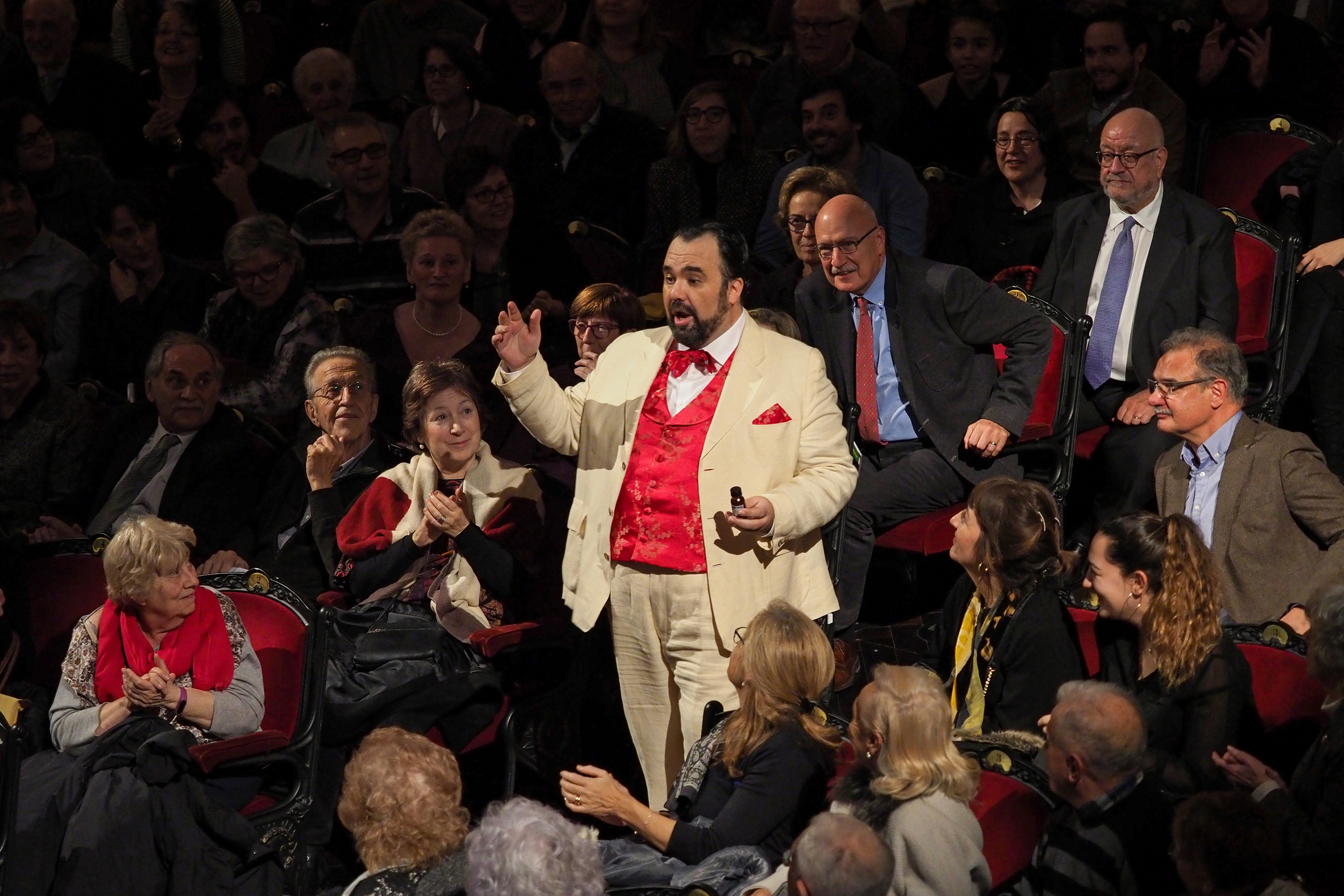
The character of Dulcamara is one of the finest expressions of the basso buffo, a voice type ideal for grotesque comic figures. This kind of character was very common in early 19th-century comic opera —its peak expression is found in Rossini—, but by Donizetti’s time, it was a somewhat outdated archetype. Nevertheless, this fake Doctor Dulcamara —a swindler who promises magical remedies— is very well constructed thanks to his introduction, an aria sung in the intricate syllabic style that adds a joyful layer of dizzying speed and relaxation to the opera.
Act II. Nemorino
"Una furtiva lagrima"
Nemorino’s romance is the best-known moment of L’elisir, a song of flawless melody in which the character claims to have seen his beloved Adina weep for love. However, the power of "Una furtiva lagrima" goes further, as it is the delicate prelude to an outstanding final duet in which the tenor and soprano finally acknowledge their mutual love, reaching the highest part of the upper register to execute passages of extreme difficulty, demanding great vocal agility after more than two hours of exertion. The final section of L’elisir is, without a doubt, explosive.
To the stage
L’elisir d’amore is a popular title, widely beloved by audiences, that fills theaters effortlessly, and in its return to the Liceu it will feature a total of fifteen performances concentrated over three weeks. This means that —for the sake of the singers’ vocal health— several performers are needed for the main characters, as the effort of a night of athletic singing must be accompanied by a reasonable period of rest. Thus, for this long and demanding series of performances, the leading roles of Nemorino and Adina —as well as the secondary, but equally important, roles of Belcore and Dulcamara— will have up to three different singers, a triple cast combining established stars with solid local talent. Early 19th-century bel canto is always a demanding field, requiring well-trained voices where experience and youth are balanced, and all the performers engaged for these performances meet the highest standards of quality.
The role of Nemorino, written for a light tenor, will be shared by the Mexican Javier Camarena —possibly the most outstanding singer of his generation, an absolute master in this type of role that requires agile and immaculate vocal technique, as well as an intelligent actor who brings depth to the human qualities of the character—, along with the American Michael Spyres and the New Zealander Filipe Manu, two firmly established figures in the operatic circuit. The other essential character, Adina, will also be performed by three top-level lyric sopranos: the South African Pretty Yende, one of the leading global figures in current bel canto, will alternate her performances with two young, yet already established, figures of the Spanish scene, the Barcelonan Serena Sáenz and the Valencian Marina Monzó.
The comic character of Dulcamara is written for a low voice with some ease in reaching high notes —which corresponds to the intermediate figure of the baritone-bass—, and on this occasion he will be performed by three singers who, in addition to technique, also have the acting skills required for a good comedy. On one hand, the great Ambrogio Maestri returns to the Liceu, one of the finest comic basses of recent times, accompanied by the Italian Fabio Capitanucci and the Menorcan Simón Orfila. The other baritone role, that of Sergeant Belcore, will be taken on by three young singers, including the English Huw Montague Rendall and two brilliant talents from the Catalan scene, Carles Pachon and Jan Antem. The fifth character of the opera is Gianetta, who has a smaller stage presence than the others, and will be performed by two young sopranos with great potential, Anna Farrés and Núria Vilà.
In L’elisir d’amore, the chorus also plays a major role —both vocally and dramatically, as it amplifies the comic power of Mario Gas’s production—, and all this artistic talent will be conducted by the Venezuelan maestro Diego Matheuz, one of the jewels of El Sistema, who in recent years has established a rising career that is now fully recognized internationally, having led the world’s leading orchestras in symphonic and operatic programs. Matheuz has already conducted at the Liceu —specifically Donizetti’s comic side, Don Pasquale, in the 2014/2015 season—, so we can be certain that this marathon of performances will be in the best hands.