

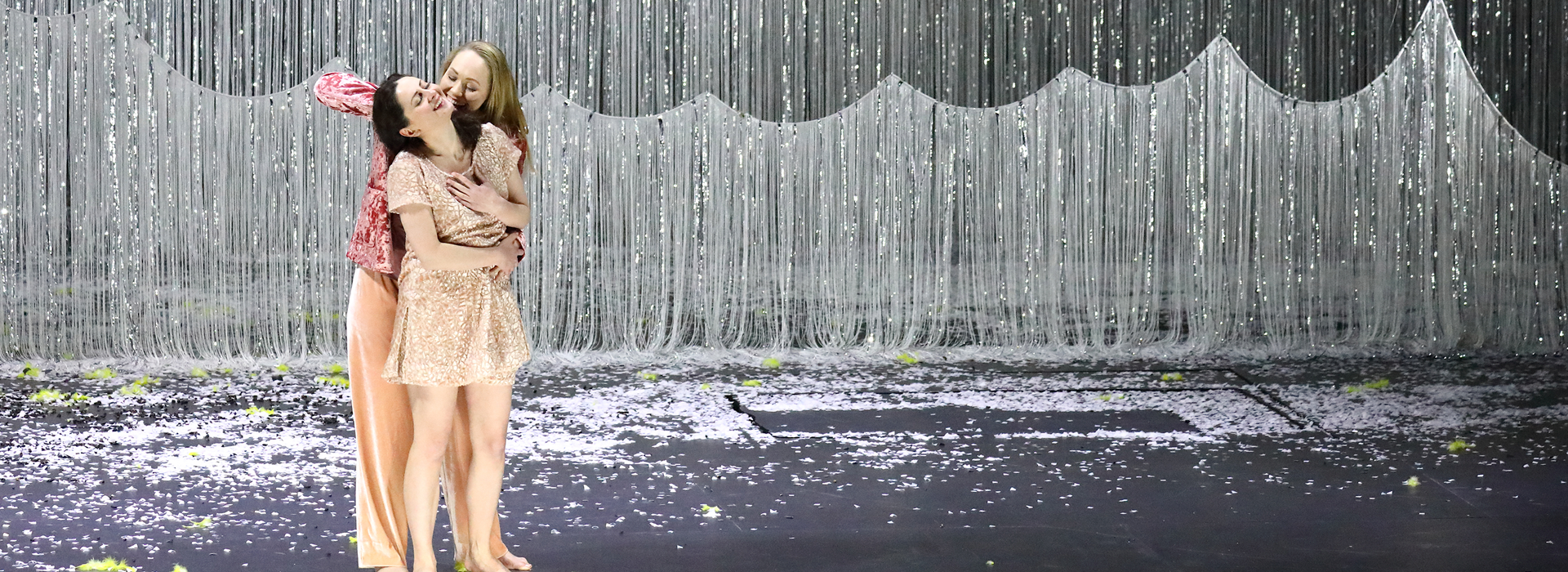
Janáček was a late-success composer. The first part of his work was created at the end of the 19th century, within the framework of Czech Romantic nationalism, but from 1903 he began publishing his major works, with a more modern language. The Cunning Little Vixen is one of his last operas, written in 1923, when he was almost 70 years old, and it is a masterful synthesis of Romanticism, atonality, and Impressionism, all serving a theme of great philosophical depth, which deals, with small moments of humor, with nature and the relationship between animals and human beings.




Acte I. Bystrouška, Orquestra
«Ze nevis, coma mé?» / «Pantomime»
In the score of The Cunning Little Vixen, different compositional styles are elegantly combined: Czech post-Romanticism — with an abundance of dances and folk melodies — German modernism, and also various passages showing the influence of French Impressionism. This brief interlude, depicting the transition from a sad night to a splendid dawn, bears the unmistakable style of Debussy and Ravel, and is the moment that not only marks Bystrouška’s process of liberation but is also one of the most beautiful ever written for symphony orchestra.
Acte II. Bystrouška, Zlatohřbítek
«Proč zrovna mě?»
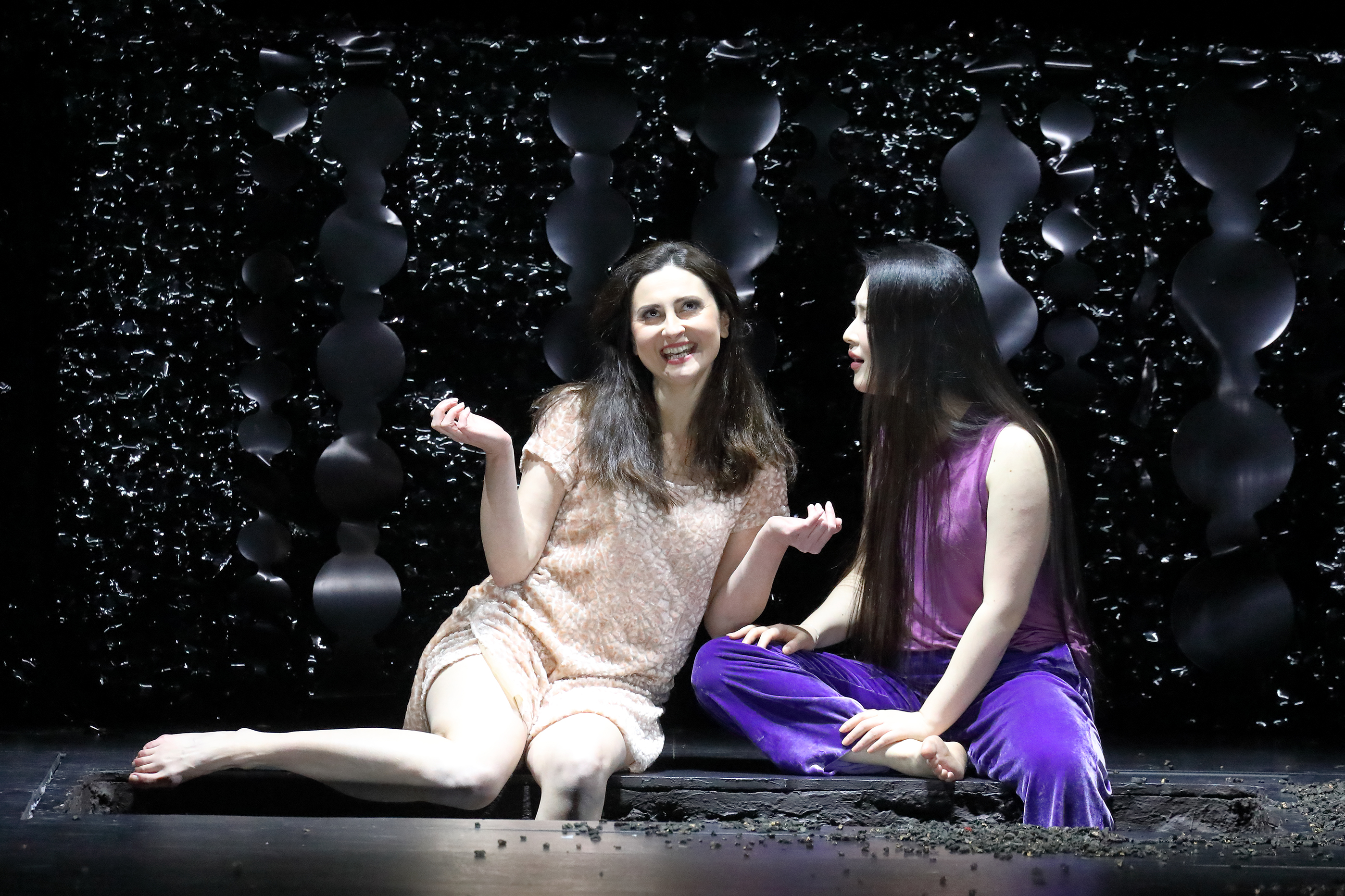
After displaying cunning in adult life, deceiving a badger to take his den and confusing the men, Bystrouška has taken control of a large part of the forest. But a surprise awaits her: one day she meets a magnificent golden-furred roe deer who seduces her and with whom she falls hopelessly in love. This duet for soprano and mezzo-soprano has several moments of overflowing lyricism, in which the two voices express themselves both individually and together to convey the passion of love, which leads to living together, reproduction, and the perpetuation of life.
Acte III. El Guardabosc
«Ale není tu Bystroušky!»
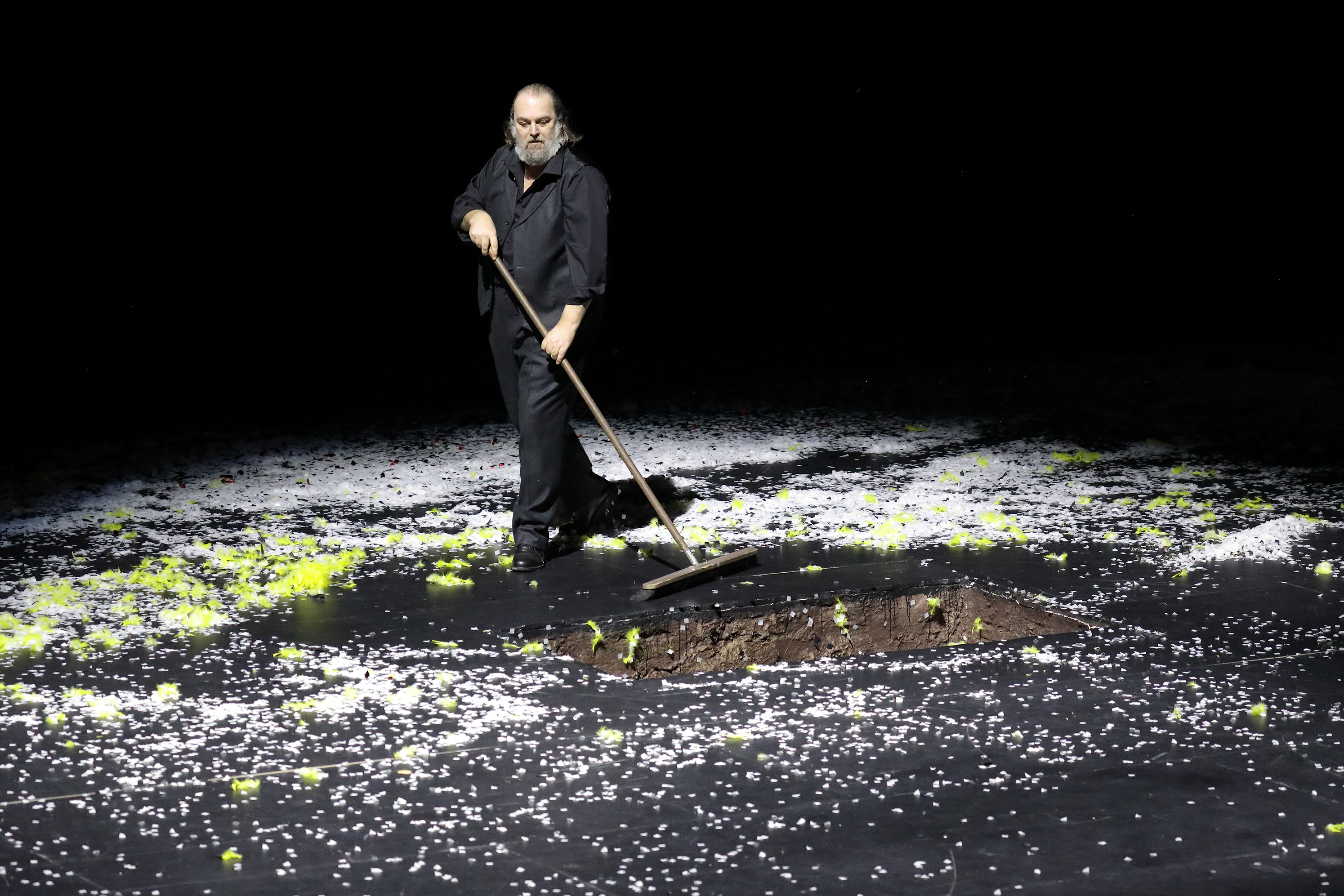
As happens at the beginning of the opera, the Forester leans against the trunk of a tree and prepares to sleep. At this moment, he sings his longest solo passage, a kind of aria — with immensely lyrical moments in a declamatory singing style — in which he reviews his life. There he will meet creatures from the past — the granddaughter of the frog who woke him in the first scene — thus giving voice to the main idea of the opera, which is the eternal constancy of the cycle of life and the rebirth of nature.
On stage
The Cunning Little Vixen is an apparently modest opera, with a brief duration considering the average of the usual repertoire — it rarely exceeds 100 minutes — but the resources Janáček employed in its composition were enormous, placing it among the most colossal titles of the 20th century, the same space where Richard Strauss reigns. The size of the orchestra is gigantic, requiring a large number of children’s and adult voices, as well as an adult choir and a children’s choir, making it an ideal piece for Maestro Josep Pons to conduct with his usual taste and efficiency. As the regular audience of the Theatre well knows, Josep Pons has not only conducted operas of large orchestral scale — from Wagner to Rimsky-Korsakov, passing through Debussy and Dvořák — but has also carefully prepared the Liceu Orchestra to face this kind of repertoire, including heavy and difficult symphonic programs every year. As is well known, this is the maestro’s final season as music director of the Liceu, and tackling The Cunning Little Vixen is yet another step on a long path of perfection, now facing a new and demanding phase.
«The Russian soprano Elena Tsallagova will sing the role of Bystrouška, the cunning little vixen, as complex as enchanting, and of which she is currently the world’s leading specialist.»
The orchestra is an essential element in this opera, as much as the voices: Janáček included various orchestral interludes in its development — mainly to express the passage of time, whether it be a dawn, the coming of adulthood for the vixen, or the birth of her cubs — and these fragments are like small symphonic poems full of beautiful timbral color and great emotion. At the same time, the orchestra demands that the voices singing each of the central roles be strong, as they have to rise above an imposing wall of sound. In this regard, there is no need to worry, as the cast includes the foremost specialist today in the demanding role of Bystrouška, Elena Tsallagova, a Russian soprano with a robust voice and warm timbre that allows her to express all the nuances of this ambiguous character, as much inclined to kindness as to following her instincts as a wild animal. The other central roles of the opera, the Forester and Zlatohřbítek, the charismatic golden-furred roe deer, are also performed by two magnificent singers: Swedish baritone Peter Mattei and mezzo-soprano Paula Murrihy.
Janáček indicated in the score that, given the large number of minor characters in the opera, it was advisable for some singers to perform two roles, whether human or animal. Thus, for example, tenor David Alegret is, on one hand, the Schoolmaster, but on the other, also the Mosquito; mezzo-soprano Mireia Pintó sings the parts of the dog Lápak and the Woodpecker; mezzo-soprano Anaïs Masllorens divides her roles between the Forester’s Wife and the Owl, and Mexican bass Alejandro López does the same between the Rector and the Badger. Other singers share the remaining minor roles: Serbian baritone Milan Perišić is Harašta, the Poacher, and tenor Caspar Singh is Pásek, the Innkeeper. In short, a large and experienced team to bring out all the nuances of The Cunning Little Vixen and make it shine as what it is: one of the best operas of the entire 20th century.