

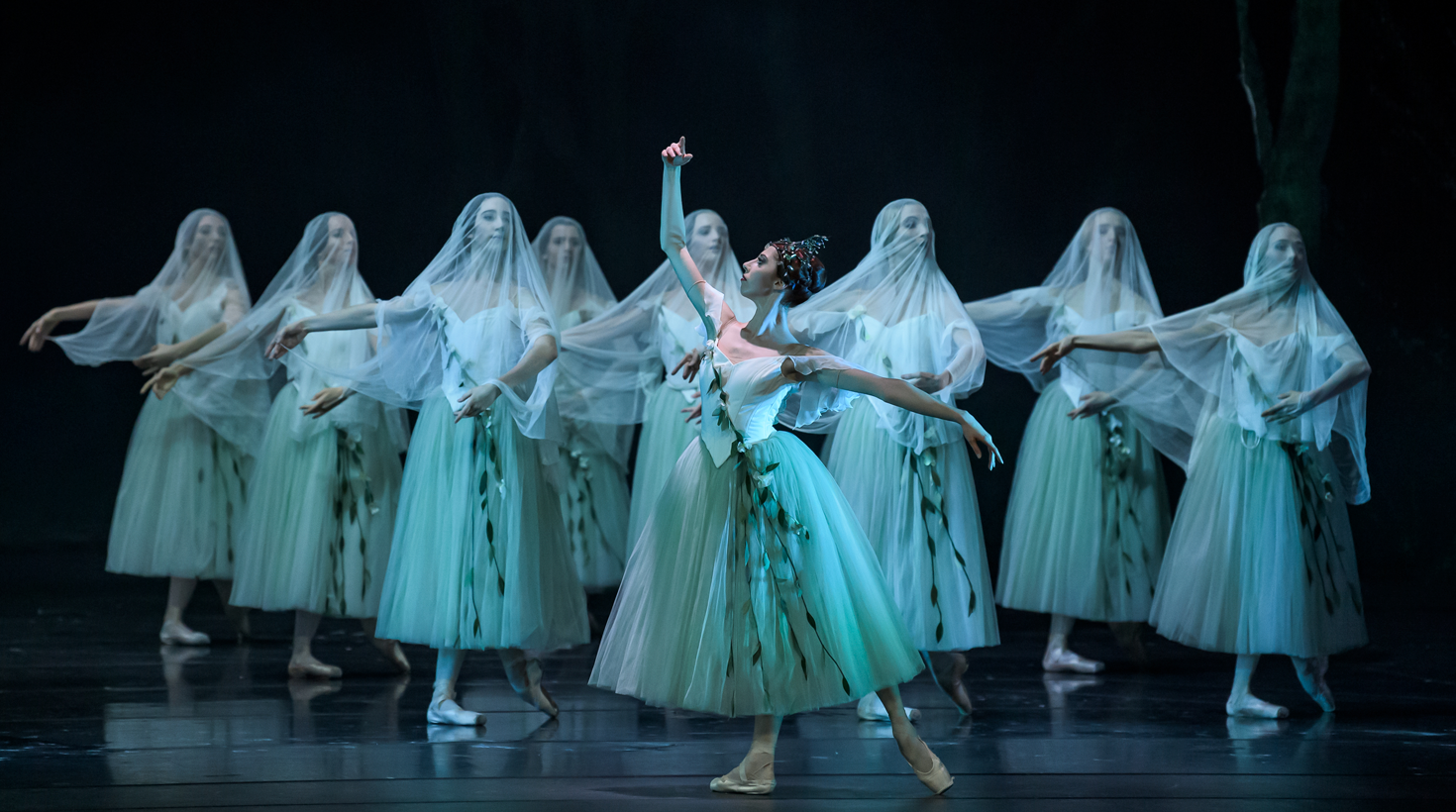
The Gran Teatre del Liceu presents 'Giselle', the great classical romantic ballet with music by Adolphe Adam and choreography by Peter Wright, performed by the prestigious Bayerisches Staatsballett from Munich from October 21 to 26. The Liceu Symphony Orchestra, under the direction of Lithuanian conductor Robertas Šervenikas, will bring to life one of the jewels of 19th-century ballet, showcasing technical mastery, expressiveness, and dramatic intensity.




The renowned Bavarian company kicks off the ballet season at the Gran Teatre del Liceu with Giselle, choreographed by Peter Wright with music by Adolphe Adam, an absolute classic of the romantic repertoire and one of the most beloved works among dance enthusiasts. Performances run from October 21 to 26, with a total of five shows.
Considered one of the jewels of 19th-century ballet, Giselle combines technical mastery, expressiveness, and dramatic intensity that transcends generations. Set in an apparently idyllic rural village, the work presents two contrasting realities: the light and life of the day, and the spectral spirituality of the night. This contrast between the earthly and the supernatural is one of the most characteristic features of Romanticism and a key to its enduring artistic relevance.
The Liceu once again showcases one of the most emblematic titles of the great repertoire, partnering with the world-class Bayerisches Staatsballett in a production that respects classical tradition while updating its scenic and interpretive approach.
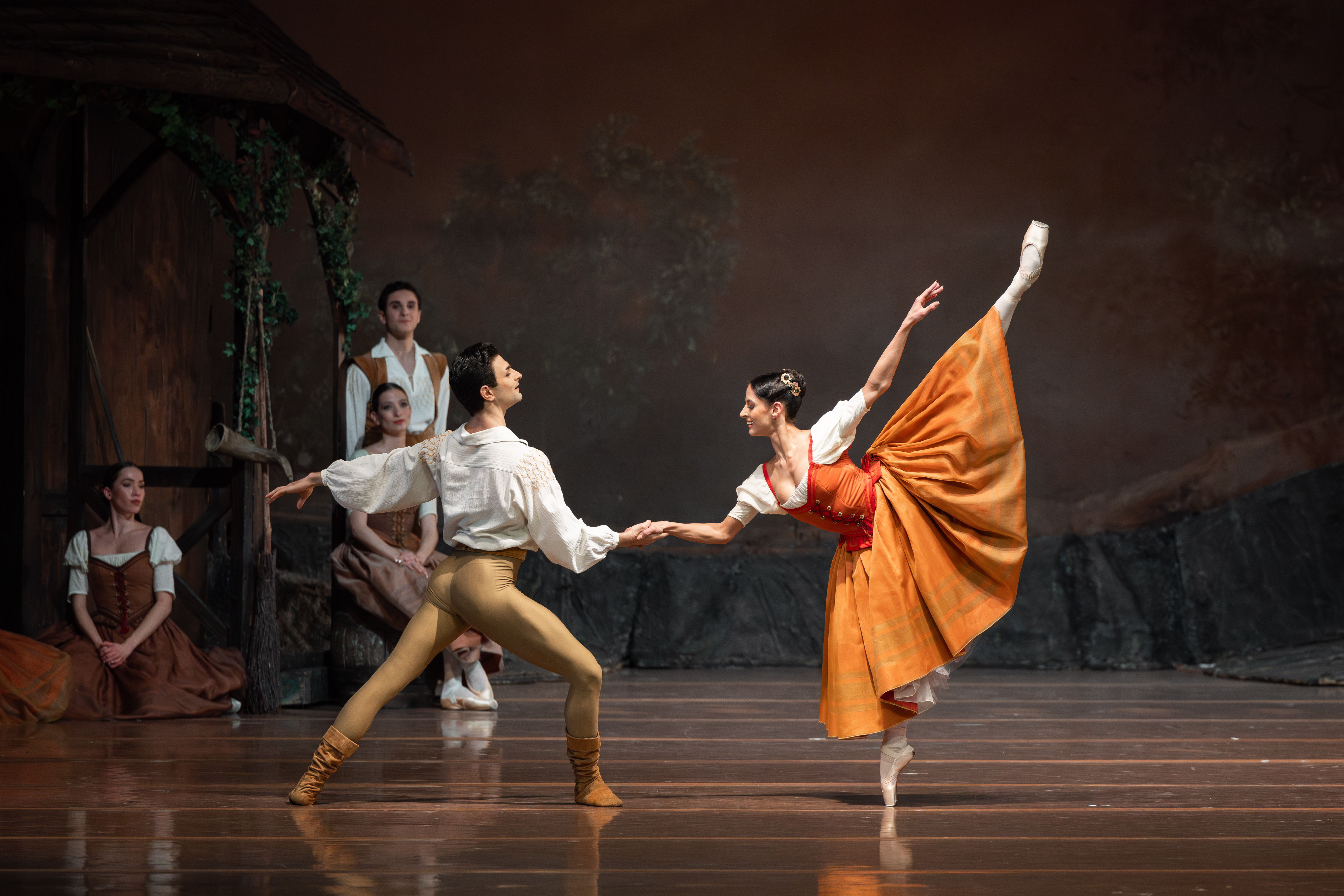
Giselle by Peter Wright
In 1974, Peter Wright staged his version (originally created in 1966 for the Stuttgart Ballet) with the Bayerisches Staatsballett, drawing on the classical vocabulary of Marius Petipa, Jean Coralli, and Jules Perrot, but without merely reconstructing the original 1841 version. His aim was to offer a renewed perspective based on the technique and sensitivity of contemporary dancers.
The result is a Giselle faithful to the romantic spirit but demanding extraordinary interpretive skill: a ballet requiring both delicacy and emotional intensity, and demanding great expressive capacity from its performers. Wright’s production has become a benchmark for many international companies due to its elegance, narrative coherence, and deep respect for classical language.
Peter Wright’s version of Giselle is a faithful and classical adaptation of the famous original romantic ballet by Jean Coralli and Jules Perrot (1841), with music by Adolphe Adam. Wright, known for his work with the Royal Ballet and Birmingham Royal Ballet, created a production that is dramaturgically meticulous, deeply respectful of tradition, and imbued with clear narrative and theatrical sensitivity.
The story of Giselle is a journey from innocence to madness and redemption. The protagonist is a young peasant girl who falls in love with Albrecht, a nobleman posing as a villager. Upon discovering the deception, Giselle goes mad and dies. In the second act, transformed into a “Wili,” she appears in a ghostly forest where the spirits of young women who died before marriage compel men to dance until death. Despite the tragedy, Giselle forgives Albrecht and saves him, delivering one of the most moving scenes in the romantic ballet repertoire.
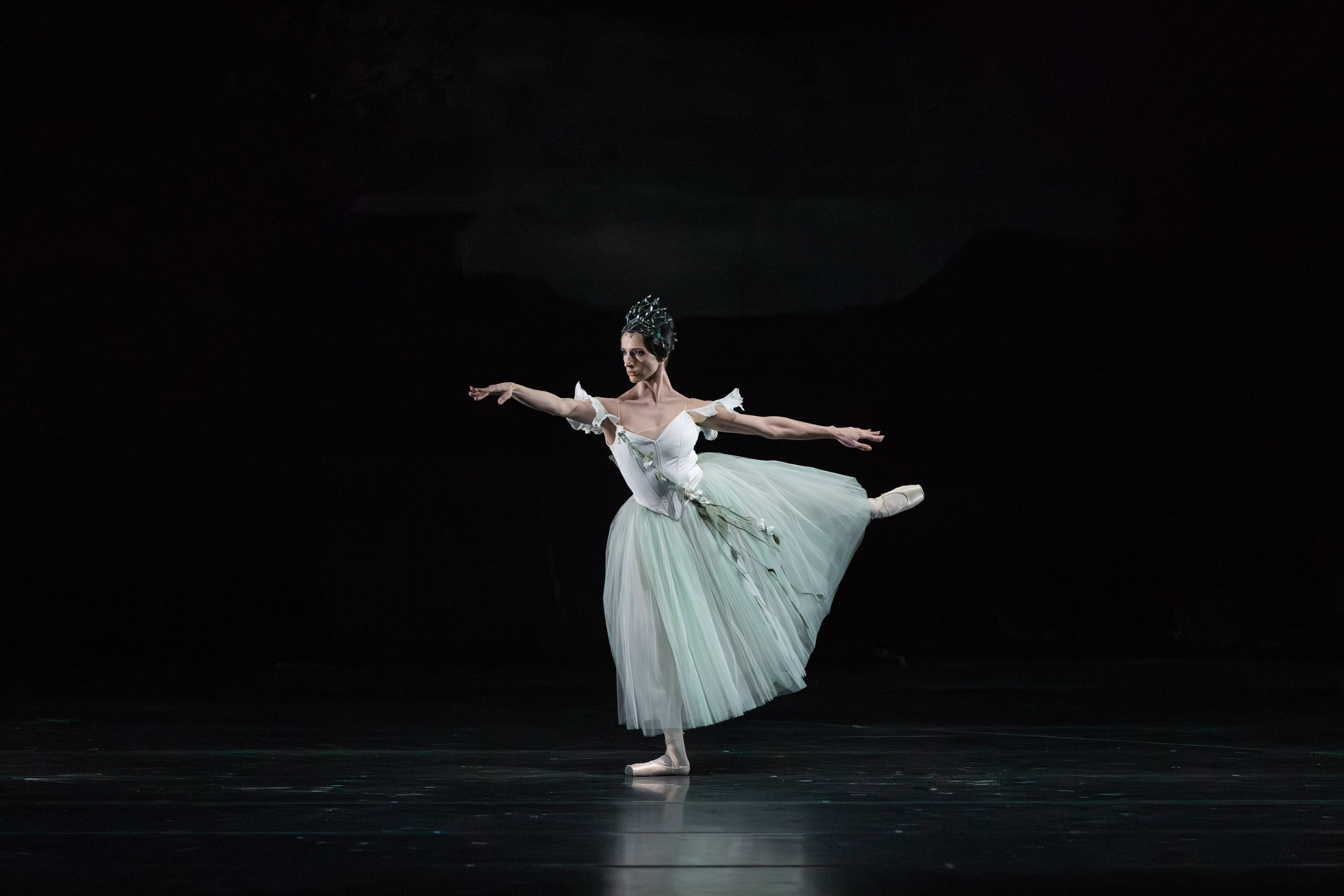
The plot is based on a text by the German author Heinrich Heine, which describes the legend of these nocturnal elemental spirits in these words: “The Wilis are brides who have died before marriage. The poor young women cannot rest peacefully in their graves: in their dead hearts, in their dead feet, remains the desire to dance that they could not fulfill in life. At midnight they rise, gather together, and woe to the young man who encounters them! He must dance with them: they embrace him with wild frenzy, and he dances with them, without rest or pause, until he falls dead.”
The music by Adolphe Adam, Friedrich Burgmüller, and Riccardo Drigo, full of lyricism and contrasts, emphasizes this duality between the real and the spiritual world, and has been regarded as one of the most inspired scores of French Romanticism.
Bayerisches Staatsballett
The Bayerisches Staatsballett was founded as an independent division of the Bayerische Staatsoper during the 1990/91 season, led by the legendary dancer Konstanze Vernon, who wanted to give Munich’s ballet company its own identity. After her retirement, Ivan Liška directed the company from 1998 to 2016, establishing it as one of Europe’s most prestigious companies. In August 2016, Igor Zelensky succeeded him, and since May 2022, Laurent Hilaire, former dancer of the Opéra de Paris and an internationally renowned figure, has been at the helm.
The Bayerisches Staatsballett repertoire combines major classical titles —with adaptations by Ray Barra, Patrice Bart, and Peter Wright himself— with narrative works by John Cranko and John Neumeier. At the same time, the company has expanded its repertoire to contemporary creators such as Sharon Eyal, Marco Goecke, Sol León & Paul Lightfoot, Wayne McGregor, Alexei Ratmansky, Liam Scarlett, and Christopher Wheeldon, positioning itself at the intersection of tradition and innovation.
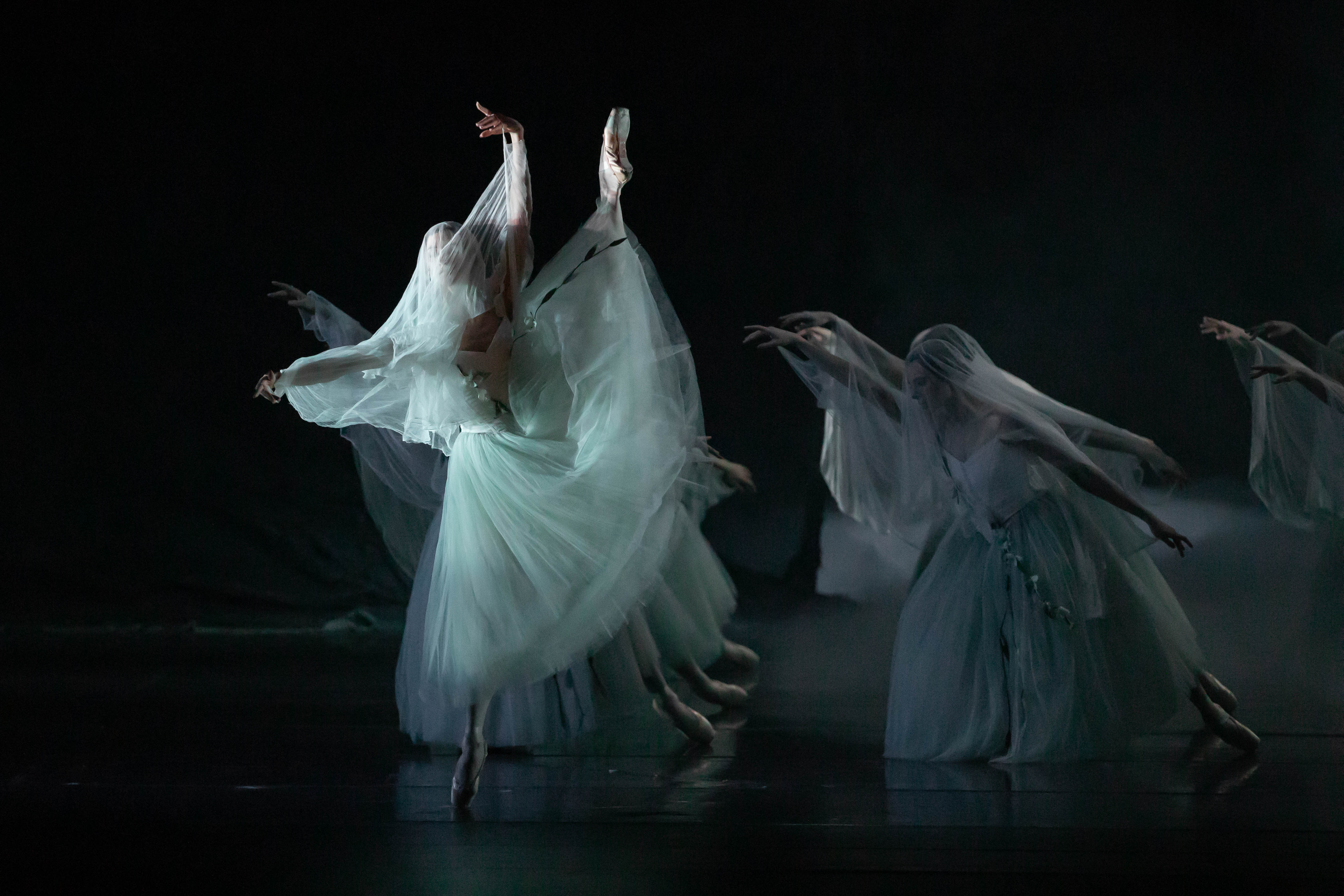
With 62 dancers from over 20 nationalities, the company stands out for its versatility, artistic rigor, and refined style, combining technical precision with expressive sensitivity. In addition to its productions in Munich, the Bayerisches Staatsballett regularly undertakes international tours and maintains a strong commitment to dance education and outreach through the Ballett Extra series and workshops for children and young people.
With Giselle, the Liceu reaffirms its commitment to the great tradition of classical ballet and to hosting the finest international companies on its stage, offering audiences a production of timeless beauty and unique emotional intensity.
With the support of:

|
Benefactor of the Cercle de la Dansa:

|