

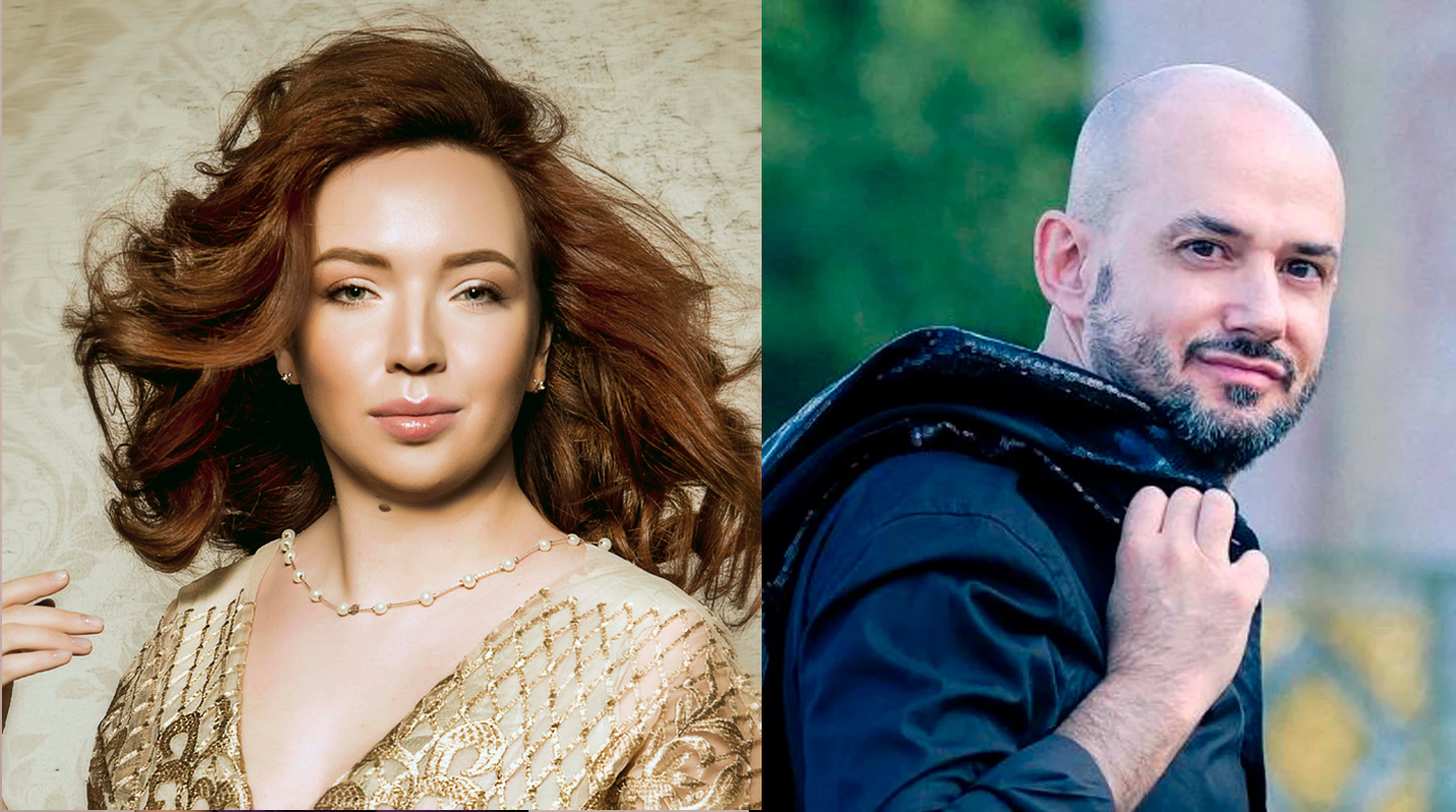
Conductor Paolo Arrivabeni debuts at the Liceu on May 13 with 'Semiramide' by Rossini in concert version. With Vasilisa Berzhanskaya and Franco Fagioli, the opera combines bel canto and drama in one of the composer’s most brilliant scores, based on the legend of the Assyrian queen.




Italian conductor Paolo Arrivabeni debuts at the Gran Teatre del Liceu on May 13 conducting Semiramide in concert version, one of Gioachino Rossini’s most monumental and demanding operas.
Considered the composer’s last great triumph in Italy before his move to Paris, this work crowns Rossini’s opera seria with a score of great orchestral richness and extraordinary vocal virtuosity. In this single concert performance, Arrivabeni will lead the Symphony Orchestra and the Choir of the Gran Teatre del Liceu, featuring soprano Vasilisa Berzhanskaya as Semiramide and countertenor Franco Fagioli as Arsace, alongside Mirco Palazzi (Assur), Maxim Mironov (Idreno), Antonio Di Matteo (Oroe), Patricia Calvache (Azema), Carlos Cosías (Mitrane) and Marc Pujol (Ghost of King Nino).
With a libretto by Gaetano Rossi based on Voltaire’s tragedy Sémiramis, Semiramide recreates the legend of the Assyrian queen trapped between power, guilt and family tragedy. Premiered at La Fenice in Venice in 1823, the opera combines the spectacular legacy of Baroque opera with the emotional intensity and virtuosity of bel canto, in one of Rossini’s most brilliant and complex scores.
Between Baroque and bel canto
Premiered in Venice in 1823, Semiramide is considered the culmination of Gioachino Rossini’s Italian period and one of his major ventures into opera seria. The work brilliantly closes the tradition of 18th-century Baroque opera and, at the same time, fully anticipates the aesthetics of bel canto, with vocal writing of extreme virtuosity, rich orchestration, and large choral and ensemble scenes. Far from the comic character of other popular Rossini titles such as La cenerentola or Il barbiere di Siviglia, Semiramide presents a drama set in ancient Assyria that explores themes such as power, revenge, family crimes and guilt, in one of the composer’s most ambitious and complex scores.
Liceu premiere
Semiramide first appeared on stage at the Gran Teatre del Liceu on April 20, 1854, when Rossini —still alive— no longer enjoyed the success he had had decades earlier in the city of Barcelona. However, the success was notable as the opera returned to the theatre on La Rambla for five more seasons until 1889–90. It did not reappear again until a concert version in December 1985 with Montserrat Caballé. It was not staged again until November 2005. In Barcelona, Semiramide had premiered on April 20, 1826 at the Teatre de la Santa Creu.
The plot
Semiramide is one of the last operas by Gioachino Rossini. Premiered at Teatro La Fenice in Venice in 1823, and based on Voltaire’s tragedy Sémiramis, it stands out for its exuberant music and dramatic complexity, as well as a plot full of passion, family conflict and political intrigue. With a libretto by Gaetano Rossi , the opera is a key example of the bel canto genre, in which vocal display and the singers’ technical skill are fundamental elements.
The plot of Semiramide revolves around the title character: the Queen of Babylon, who becomes entangled in a web of revenge and secrets. The story begins with the death of her husband, Nino, and the mystery of who was responsible for the murder. Semiramide, after many years of reign, falls in love with the hero Assur, unaware that he is the son of her murdered husband.
Musically, it stands out for the richness and difficulty of its arias and ensembles, especially in moments of great emotional intensity. The character of Semiramide is central to the opera, and her aria “Bel raggio lusinghier” is one of the most emblematic moments, reflecting her inner struggle between love and duty. Rossini’s music, with its characteristic brilliance, is combined with moments of great dramatic intensity.
The cast
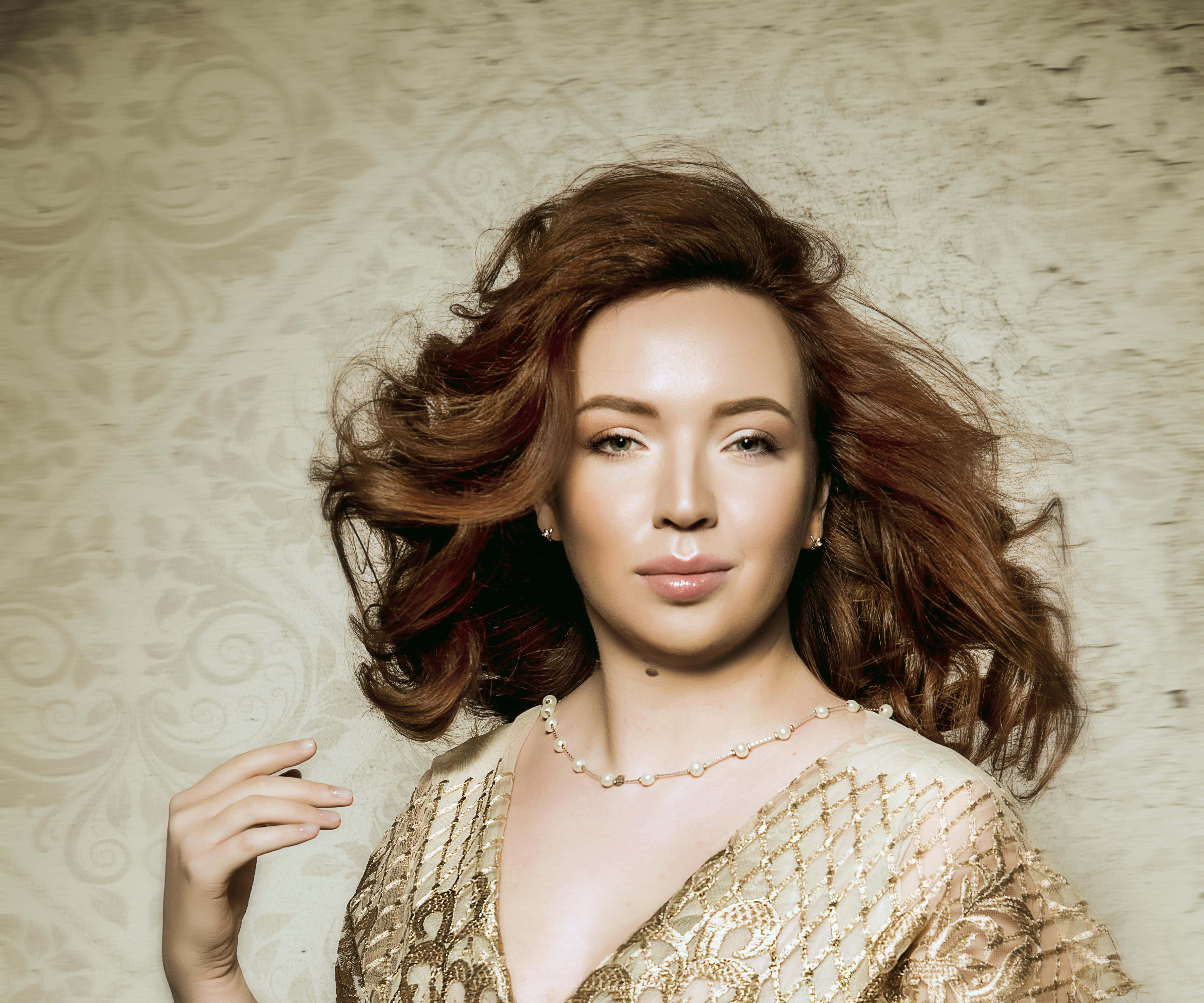
Italian conductor Paolo Arrivabeni debuts at the Gran Teatre del Liceu at the helm of the Gran Teatre del Liceu Symphony Orchestra with a highly demanding vocal cast led by Russian mezzo-soprano Vasilisa Berzhanskaya, who also makes her debut at the Theatre performing the title role of Semiramide, and countertenor Franco Fagioli, who made his Liceu debut in the 2018/19 season with Agrippina.
With Semiramide, Rossini pushes vocal virtuosity to the extreme, in a score that combines the ornamental heritage of the Baroque with the melodic exuberance of bel canto. The two main roles require extraordinary agility and exceptional technical mastery.

Berzhanskaya will take on the complex role of the Queen of Assyria, one of the most demanding in the Rossini repertoire, with moments of great technical difficulty such as the aria «Bel raggio lusinghier», in which Semiramide expresses her passion for Arsace through writing full of coloratura and ornamentation.
The role of Arsace, originally written for mezzo and historically performed by female voices, will be taken in this concert version by Franco Fagioli, one of today’s leading figures in Baroque opera and the Rossini repertoire. The revival of such roles by countertenors has become established over recent decades, restoring a particularly distinctive sonority to these characters.
The cast is completed by bass Mirco Palazzi as Assur, tenor Maxim Mironov as Idreno, bass Antonio Di Matteo as Oroe, and soprano Patricia Calvache as Azema. The roles of Mitrane and the ghost of Nino will be performed by Carlos Cosías and Marc Pujol, respectively.
Considered one of Gioachino Rossini’s great masterpieces, Semiramide is also one of his less frequently performed titles due to its enormous vocal and musical demands. This single performance at the Liceu offers the opportunity to rediscover a monumental score of extraordinary orchestral and dramatic richness, and to enjoy a less usual but equally fascinating Rossini.
Key musical moments
The overture to Semiramide lasts approximately 12 minutes, making it the longest Rossini composed for his major operas, and a demonstration that he was, at that time, at the peak of his creative powers. This introduction, a rollercoaster of rising and falling intensity, presents all the colors and temperatures of the opera: overwhelming passion, but also the shadow of horror that can be sensed beneath. Rossini perfected his personal language in this fragment: his ability to write euphoric crescendos, his taste for ethereal melodies, and a complexity in orchestral writing that he would not revisit until the overture to Guillaume Tell.
In the first act, Semiramide has gathered with her intimate entourage in the hanging gardens of Babylon and publicly reveals her emotional state: her passion for Arsace is uncontrollable and she wishes to marry her young general. To express the fire consuming her soul, the queen launches into an aria of devilish writing, whose dizzying effect can only be softened by the gentle participation of the chorus. «Bel raggio lusinghier» is not a piece for any voice: it involves a technical difficulty that very few performers can master, and requires constant coloratura, a profusion of ornamentation which, when well executed, results in a vocal beauty that is almost supernatural.
Another major moment in the opera is the duet «Alle più care immagini», between Semiramide and Arsace, a page of exuberant virtuosity and full of vocal fireworks, in which Rossini displays all the brilliance and demands of bel canto.
With the support of:
