

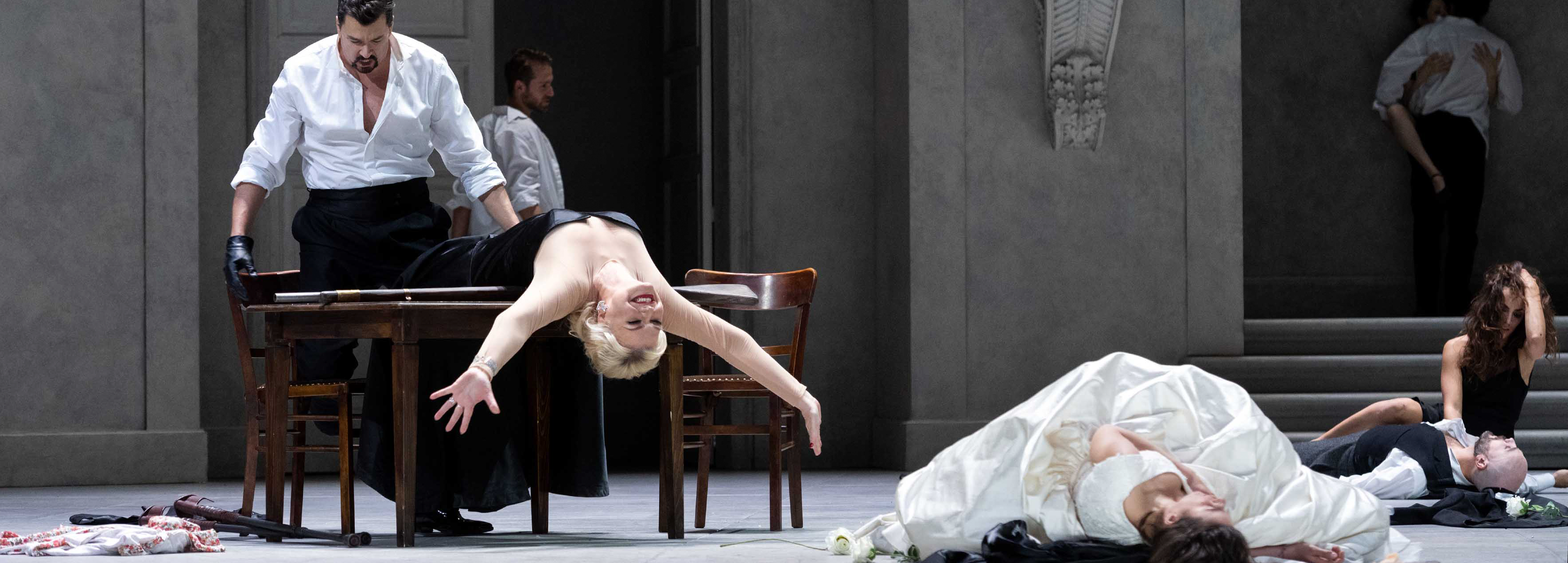
After his time in New York, Dvořák returned to Prague determined to resume composing operas. In 1901, he premiered Rusalka, inspired by Slavic legends and Andersen’s The Little Mermaid: a Wagnerian-style opera about a nymph who, out of love for a prince, becomes trapped between two worlds.




Act I. Rusalka
Mesicku na nebi hlubokém
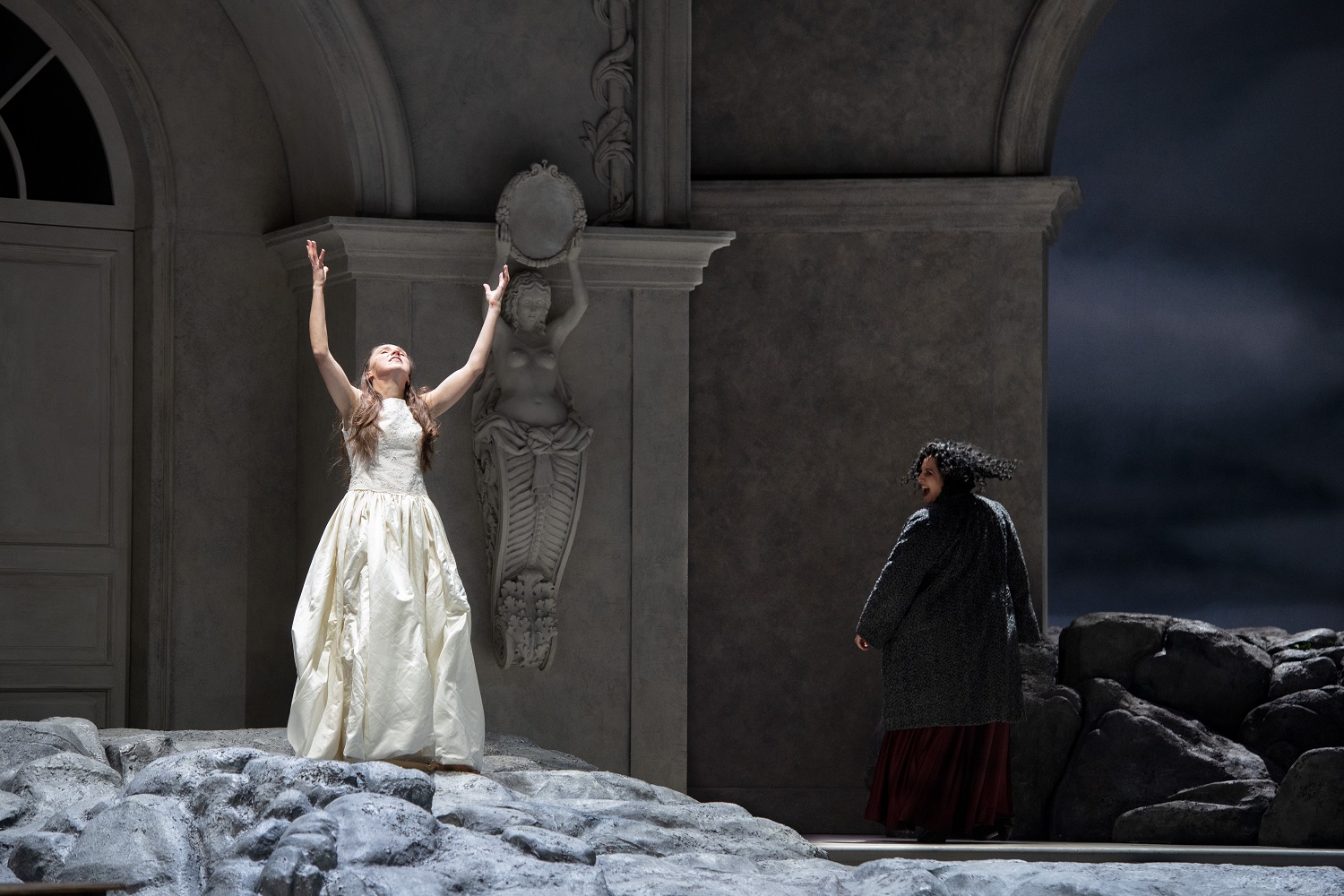
The water nymph Rusalka has fallen in love with a prince and asks Vodník, her father, to allow her to become a human woman. The water spirit warns her against taking this path, as it will destroy her, but she is determined to go all the way. Before undergoing a magical ritual, Rusalka addresses the moon and asks it to give her strength. This aria, with its torrential lyricism and unforgettable melody, is the most beautiful and well-known moment in the opera—a piece firmly established in the repertoire of any dramatic soprano.
Act II. Ballet
Slavnosti hudba
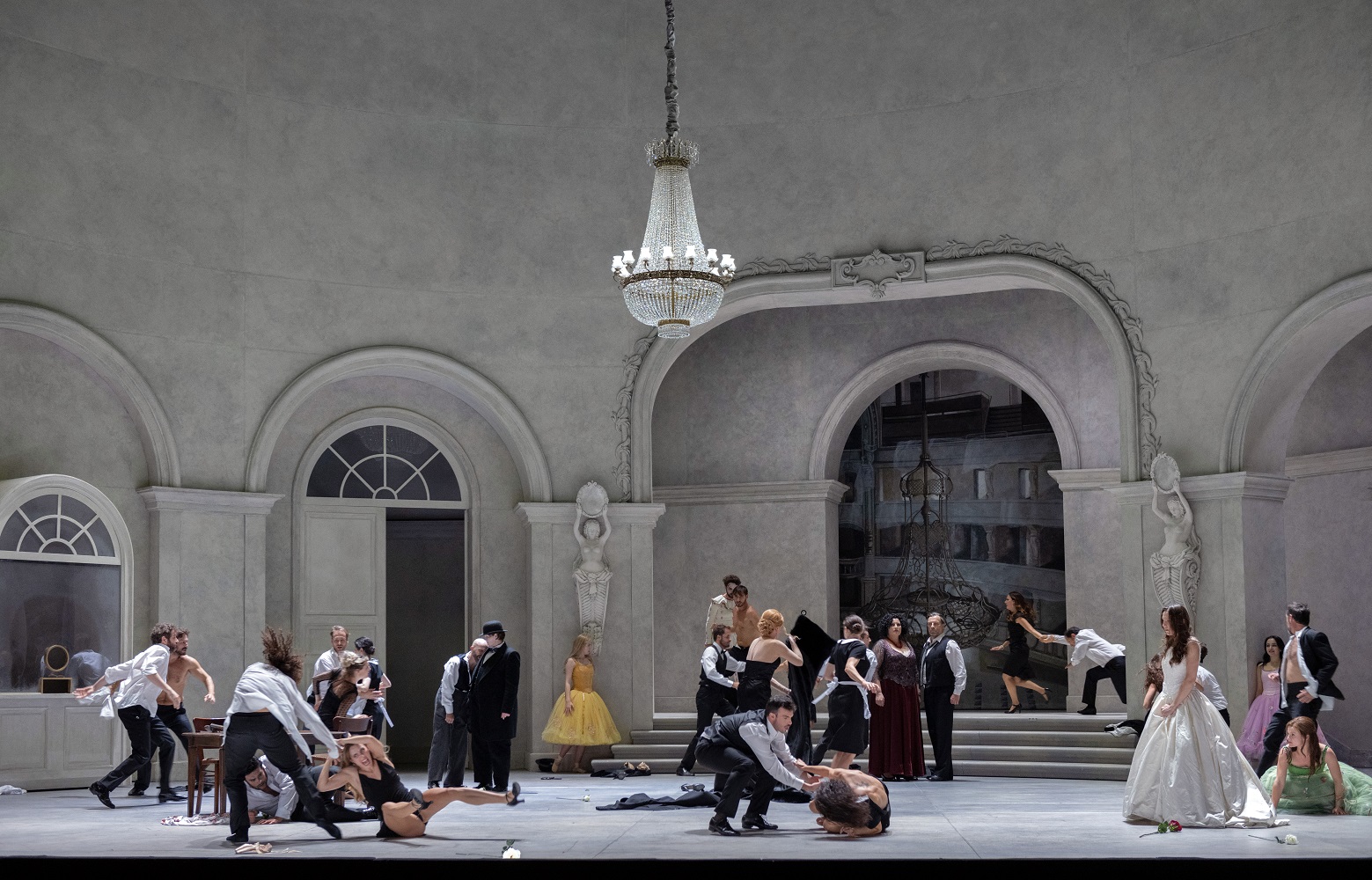
Dvořák’s interest in Bohemian folklore and Slavic culture in all its breadth was not limited to mythology; he also incorporated various folk dances into Rusalka, which, aside from bringing a touch of lightness to the work’s overall density, serve to contrast the nymph’s magical world with the material realm of humans. In this ballet, which takes place on the day of Rusalka’s wedding—and is ultimately called off due to the prince’s infidelity—not only is the beauty of Czech dances showcased, but also Rusalka’s inability to dance them, as her legs are weak.
Act III. Rusalka, prince
Milácku, znás mne, znás?
When Rusalka becomes human, she loses the ability to speak and cannot communicate with the prince. It is only at the end, when the two are reunited in the world of the waters, that the long-awaited duet between soprano and tenor can finally take place. This conclusion to the opera—in which the prince dies after the nymph kisses him—is a moment of overwhelming passion and lyrical beauty, with orchestration in the finest Wagnerian tradition. In fact, musicologists have long drawn a clear connection between the ending of Rusalka and that of Tristan und Isolde.
On stage
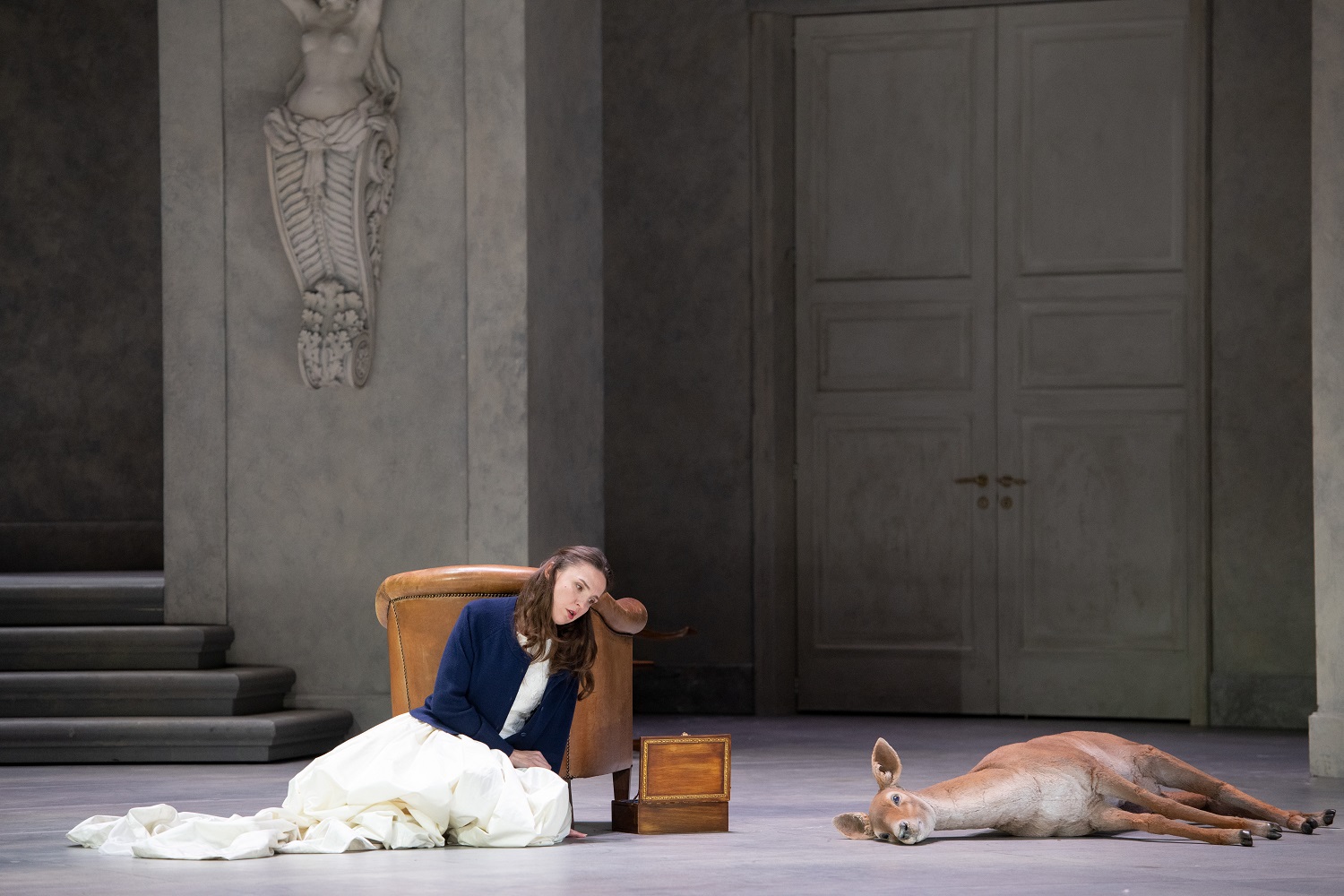
The lead role of Rusalka, the water nymph who sacrifices her comfortable eternal life in the magical world of the aquatic spirit Vodník for a human and mortal existence, is enormously complex for any dramatic soprano. The factors are diverse and mercilessly accumulate: to begin with, it is a role sung in Czech, a language uncommon in the operatic repertoire, with demanding phonetics, and the character practically never leaves the stage during the nearly two and a half hours of the opera. This does not mean she sings all the time, since in the second act Rusalka’s role remains silent for a long period, but she is involved in the action at every moment, which means the singer must also have a strong acting presence. Being Rusalka is not easy: the varied emotions that the character experiences —from sexual desire to despair at not finding a way out of her existential anguish, passing through humiliating situations or moments of compassion— make this nymph a complex being who must also sing with torrential power.
In summary, Rusalka demands excellent singers in technical, interpretive, and physical terms —the major role to which Dvorák’s water nymph is closest is Wagner’s Isolde— and such singers appear in very limited numbers each generation. In this decade, the most convincing Rusalka has been performed by the Lithuanian soprano Asmik Grigorian, an interpreter with a clear and powerful voice and an ideal expressiveness for the whirlwind of emotions surrounding Rusalka. She will be the absolute lead in six of the seven scheduled performances —in the July 6 session, as part of the Opera Between Generations initiative, which aims to bring together older and younger family members around the magic of the work, the Russian Olesya Golovneva, another great specialist in this role, will take over— and around her will orbit a balanced cast made up of local talents and major international stars. The male lead role, the prince, written for a Wagnerian-spinto tenor, will be sung by the Polish Piotr Beczala, except on July 6, when the American Ryan Capozzo will perform.
The other main roles are assigned to a single voice in all the scheduled performances: Greek bass Alexandros Stavrakakis will perform Vodník, the water spirit, and Finnish soprano Karita Mattila will be the foreign princess who seduces the prince loved by Rusalka. The witch Jezibaba will be sung by German mezzo-soprano Okka von der Damerau, and the remaining minor roles will be played by Manel Esteve (the gamekeeper Hajny), David Oller (Lovec, the hunter), and Laura Orueta (Kuchtík, the kitchen assistant). The three forest nymphs will be portrayed by three young singers: Laura Fleur, Alyona Abramova, and Julietta Aleksanyan. The musical direction will be in good hands: maestro Josep Pons will once again lead the Gran Teatre del Liceu Symphony Orchestra to bring out all the density of Dvorák’s post-Wagnerian score in his final podium of this season.